
 By Rose Miami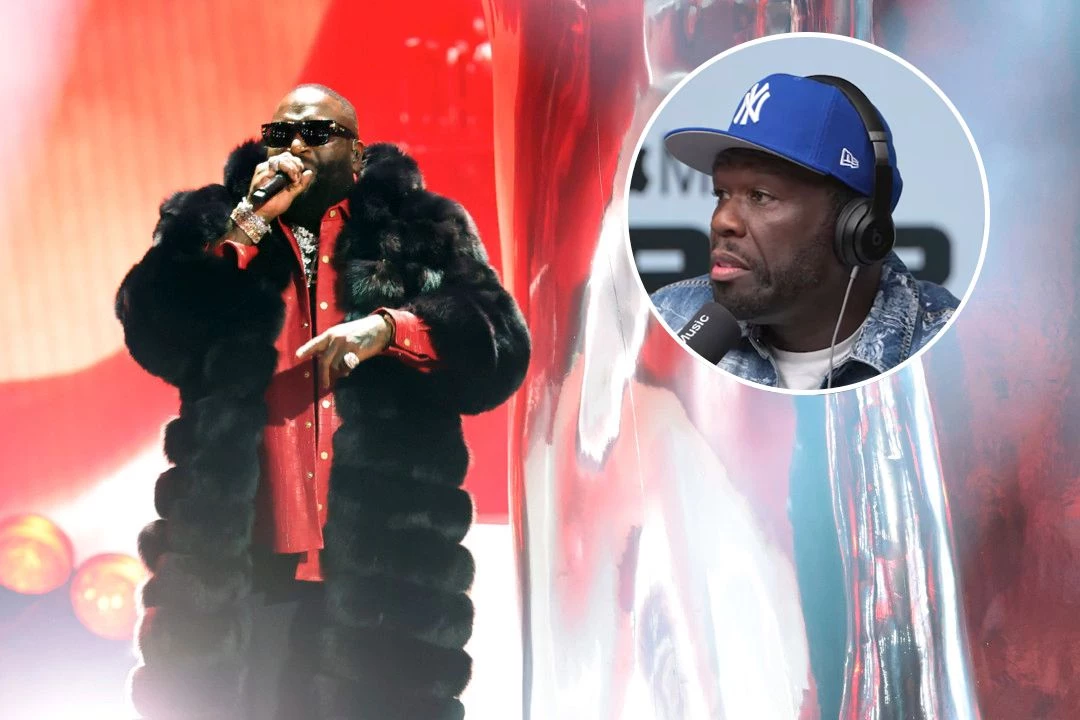
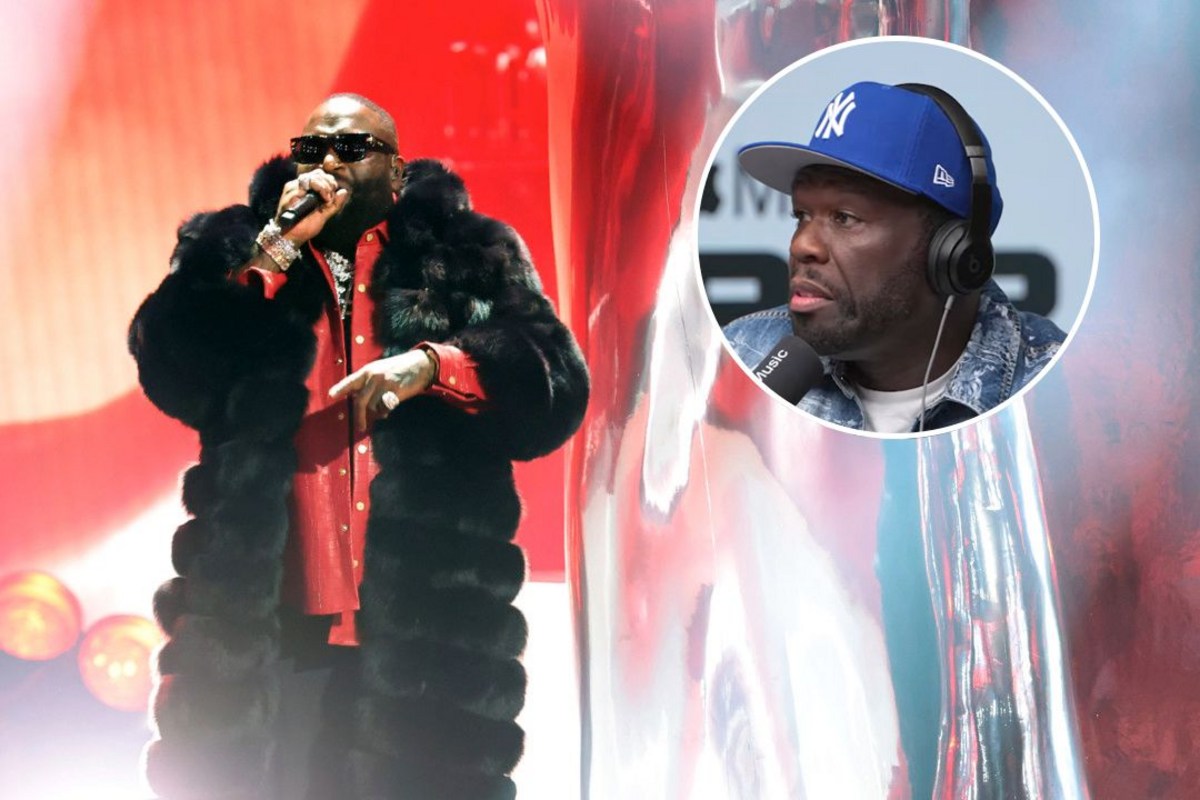
HangupsMusic.com – The enduring debate surrounding the perceived age limits in hip-hop has been reignited, with Rick Ross vehemently challenging 50 Cent’s assertion that the genre is inherently a domain for younger artists. Ross, a prominent figure in hip-hop for over a decade, took to his Instagram Stories to publicly refute 50 Cent’s sentiments, suggesting that the Queens-bred mogul’s perspective might be more of a personal reflection than a universal truth about the culture. The exchange, which has quickly become a talking point within the music community, underscores the long-standing tension between artistic longevity and the genre’s youthful dynamism.
The catalyst for Ross’s response was a statement made by 50 Cent during a conversation at the VERZUZ event featuring Joe and Donell Jones. While discussing the evolving landscape of hip-hop, 50 Cent posited that the genre’s intrinsic connection to youth culture makes it challenging for older artists to maintain a relevant presence at the forefront of the industry. "Hip-hop culture is connected to youth culture," 50 Cent explained. "You are not supposed to be the hottest in nothing at 60." He further elaborated on his own career trajectory, acknowledging a deliberate shift in focus towards television, film, and other business ventures, characterizing his occasional musical contributions as mere "entries" designed to showcase his continued relevance.
Rick Ross, however, was not swayed by this perspective. In a pointed message on his Instagram Story, complete with a "RIP" dedication to 50 Cent’s argument, Ross championed the idea of enduring artistry, irrespective of age. He invoked the legacy of Southern hip-hop pioneers like Bun B and the late Pimp C, highlighting their continued impact and creative output. "Bun B just hit the stage," Ross remarked, emphasizing that artists like Bun B, and the hypothetical continued career of Pimp C, would not be silenced by age. "The south won’t let Bun B stop rapping. If Pimp C was alive we wouldn’t let Pimp C stop rapping, they could put out albums until they’re 85 years old." Ross’s impassioned argument centered on the intrinsic value of an artist’s connection to their audience and the unique contributions they bring to the culture. "When the streets love you and the culture needs you and you bring something that can’t be duplicated, f**k what your age is," he declared, placing emphasis on authenticity and sustained relevance over demographic appeal.
This philosophical clash between two hip-hop titans is not merely a personal spat; it delves into a broader discussion about legacy, artistic evolution, and the often-perceived generational divide within hip-hop. For decades, the narrative surrounding hip-hop has been closely tied to youth culture, with new artists constantly emerging and pushing the boundaries of the genre. This constant influx of fresh talent and evolving trends can create a perception that older artists, no matter their established acclaim, risk becoming relics if they fail to adapt or are perceived as out of touch.
However, Rick Ross’s counterargument highlights a significant counter-narrative: the enduring power of established artists who have cultivated a loyal fanbase and developed a unique, inimitable style. Artists like Bun B, who continue to perform and engage with audiences, demonstrate that age does not have to be a barrier to artistic expression or cultural influence. Their longevity is often attributed to a deep understanding of their craft, a consistent ability to connect with their core audience, and a willingness to evolve their sound and message without sacrificing their artistic identity.
The success of artists who have navigated these generational shifts also speaks to the multifaceted nature of hip-hop. While youth culture remains a vital component, the genre has also matured to encompass a wider range of themes, experiences, and artistic approaches. This broader scope allows for artists of various ages to find their niche and resonate with different segments of the listening public. The ability to consistently deliver quality music, engage in meaningful storytelling, and maintain an authentic connection with fans can transcend age demographics.
Furthermore, the business acumen and entrepreneurial spirit of many established hip-hop artists, including both 50 Cent and Rick Ross, have led them to diversify their careers beyond music. This expansion into other industries, such as television, film, and various business ventures, allows them to remain influential and financially successful even if their direct musical output fluctuates. 50 Cent’s acknowledgment of his strategic shift towards these areas underscores a common path for many veteran artists seeking to leverage their brand and influence in new ways.
Ultimately, the debate between Rick Ross and 50 Cent serves as a valuable reminder that hip-hop is a dynamic and evolving art form with room for artists of all ages. While youth may bring a certain energy and immediate relevance, the depth, wisdom, and enduring artistry of veteran performers continue to shape the genre. The "hottest in nothing at 60" sentiment, as posited by 50 Cent, is a provocative statement that invites contemplation, but Ross’s passionate defense of timeless artistic merit suggests that for many, true impact in hip-hop is measured not by the calendar, but by the authenticity and enduring connection an artist maintains with their audience and the culture at large. The conversation is far from over, and as hip-hop continues to mature, the question of age and relevance will undoubtedly remain a central theme.
