
 By admin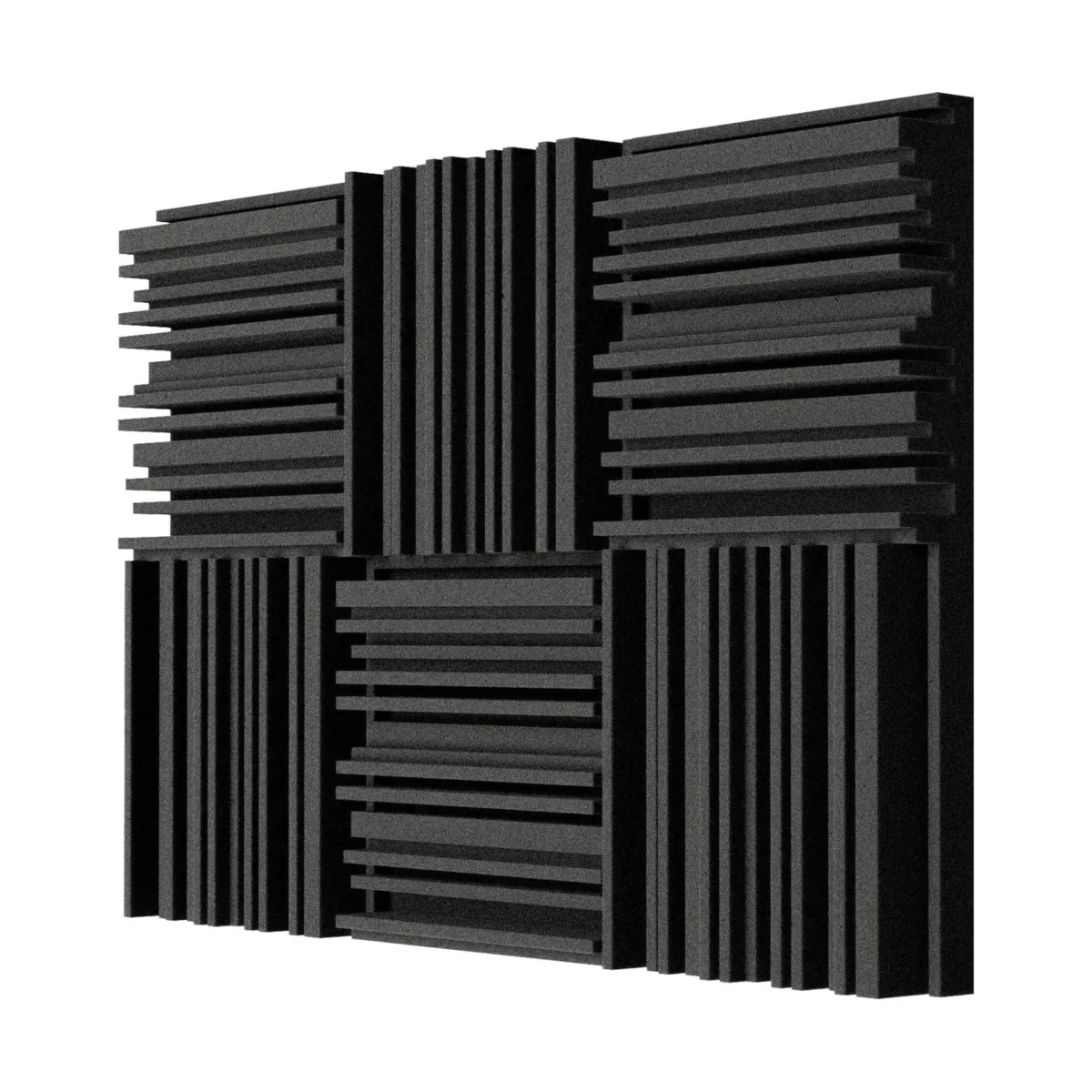
HangupsMusic.com – The quest for an ideal auditory environment, whether for creative pursuits, professional endeavors, or simply tranquil living, has never been more relevant. In an increasingly interconnected and often noisy world, the ability to shape one’s personal soundscape is a luxury that modern acoustic panel technology now makes accessible to all. Far from being exclusive tools for recording studios, these versatile sound-dampening solutions are rapidly becoming indispensable elements in homes, offices, and entertainment spaces, offering a surprising array of benefits that extend well beyond mere quietude.

Traditionally, acoustic panels were the domain of audio professionals – musicians refining their mixes, podcasters ensuring crisp vocal delivery, and sound engineers crafting perfect soundstages. Their purpose was clear: to manage sound reflections within a room, thereby eliminating unwanted echo and flutter that can muddy recordings or distort critical listening. However, a broader understanding of sound dynamics and the growing need for focused environments has propelled these panels into mainstream use. From remote workers seeking improved concentration, to avid gamers craving immersive audio without disturbing housemates, to cinephiles aiming for a true cinematic experience, the demand for effective and aesthetically pleasing acoustic solutions has surged. Even residents in bustling apartments are discovering the profound impact these panels can have on mitigating external noise and fostering a sense of peaceful privacy.
Understanding the Mechanics of Sound Management

At its core, an acoustic panel functions by absorbing sound waves rather than reflecting them. This absorption is key to reducing reverberation and echo, which are the primary culprits behind poor sound quality and excessive noise within an enclosed space. When sound waves encounter a hard, reflective surface like a bare wall, they bounce back, creating a chaotic mix of direct and reflected sound that can interfere with clarity and intelligibility. Acoustic panels, crafted from porous materials, capture these sound waves and convert their energy into minute amounts of heat, effectively removing them from the room’s acoustic equation.
The effectiveness of an acoustic panel is quantified by its Noise Reduction Coefficient (NRC). This single-number rating, ranging from 0 to 1, indicates how much sound a material absorbs on average across a range of frequencies (typically 250 Hz, 500 Hz, 1000 Hz, and 2000 Hz). An NRC of 0 signifies no sound absorption, meaning all sound is reflected, while an NRC of 1 indicates complete absorption. For practical purposes, an NRC of 0.75 means the panel absorbs 75% of the sound energy that strikes it. While NRC is a valuable metric, it’s important to remember that it represents an average and doesn’t detail how a panel performs across the entire frequency spectrum. Some panels might excel at absorbing high frequencies but be less effective with low-end rumble, a characteristic that specialized bass traps are designed to address.

Beyond pure absorption, some advanced acoustic treatments also incorporate diffusion. Diffusers scatter sound waves in multiple directions, rather than absorbing them, which helps to maintain a live, natural sound while preventing harsh reflections. While the focus of most residential applications is primarily on absorption to reduce overall noise and echo, understanding the distinction between absorption, diffusion, and true soundproofing is crucial. Soundproofing aims to prevent sound transmission through a barrier (like a wall or door), often requiring significant structural modification. Acoustic panels, conversely, are about managing sound within a room. They won’t completely block out a jackhammer outside your window, but they will dramatically improve the internal acoustic environment and reduce the amount of sound escaping to adjacent rooms.
The Diverse Beneficiaries of Acoustic Treatment

The expanding utility of acoustic panels can be seen across various domestic and professional settings:
- For the Creator and Performer: Musicians, vocalists, podcasters, and streamers rely on clear, uncolored audio. Acoustic panels are fundamental for creating a "dry" recording environment where vocals and instruments can be captured without the interference of room echo, allowing for more precise mixing and mastering. They transform spare rooms into functional home studios, where creative work can flourish unhindered by poor acoustics.
- For the Remote Professional: The shift to remote work has highlighted the importance of a productive home office. Panels significantly improve speech intelligibility during video conferences, making your voice clearer to others and reducing the strain of listening to your own reflections. They also minimize distractions from household noises, creating a more focused workspace and offering a degree of privacy for sensitive calls.
- For the Entertainment Enthusiast: In home theaters, gaming setups, and dedicated music listening rooms, acoustic panels are transformative. By taming reflections, they enhance clarity, improve bass response, and create a more defined and immersive soundstage. Dialogue becomes crisper, sound effects more impactful, and musical nuances more discernible, elevating the entire entertainment experience from good to exceptional.
- For General Well-being and Privacy: In apartments or homes with shared walls, panels can dramatically reduce sound bleed, both incoming and outgoing. This means quieter evenings, less disruption from neighbors, and the freedom to enjoy your activities without worrying about disturbing others. The psychological benefits of a quieter, more controlled environment – reduced stress, improved focus, and a greater sense of calm – are invaluable.
Strategic Selection and Thoughtful Placement

Choosing the right acoustic panels involves considering a blend of performance, aesthetics, and practicalities.
- Performance Metrics: The NRC rating remains paramount. For general dampening and echo reduction, panels with an NRC between 0.8 and 0.95 are highly effective for most residential applications. Panels nearing an NRC of 1 offer near-complete absorption, ideal for critical listening or extremely noisy environments.
- Size and Coverage: Panels come in various dimensions, from small squares to large rectangles. Accurate measurement of your intended space is crucial. While foam panels can often be cut to fit, fabric-wrapped or wood panels typically require precise planning. It’s rarely necessary to cover every inch of every wall and ceiling. Strategic placement at "first reflection points" – the spots where sound bounces off a surface and reaches your ears directly – can yield significant improvements with fewer panels. Corners are also excellent locations for thicker panels or dedicated bass traps, as low-frequency sounds tend to build up there.
- Material and Construction:
- Foam Panels: Often the most budget-friendly option, foam panels are lightweight and easy to install. They are effective at absorbing mid-to-high frequencies and are commonly seen in home studios. Modern foam panels are often designed to be odorless and maintain their shape over time.
- Fabric-Wrapped Panels: These typically consist of a rigid frame filled with an absorbent material (like mineral wool or fiberglass) and covered in an acoustically transparent fabric. They offer excellent broad-spectrum absorption, often with higher NRC ratings, and can be customized with various colors and textures to match decor.
- Wood Slat Panels: Combining aesthetic appeal with acoustic function, these panels feature wooden slats over a sound-absorbing felt backing. They offer a blend of absorption and subtle diffusion, creating a modern, architectural look while effectively treating a room. They are particularly popular for living rooms and home theaters where visual integration is a priority.
- Installation Ease: Most panels are designed for straightforward DIY installation, often coming with adhesive backing, mounting clips, or simple hardware. Reviewing user experiences regarding setup can provide valuable insight into potential challenges or time commitments.
The Evolution of Acoustic Aesthetics

Gone are the days when acoustic treatment meant sacrificing visual appeal for sonic purity. Manufacturers now prioritize design, offering panels that blend seamlessly with interior decor or even serve as decorative art pieces themselves. From sleek, minimalist felt squares in a spectrum of colors to elegant wood-slatted designs that evoke contemporary architecture, and even panels printed with custom artwork, the options for integrating acoustic solutions into any home style are vast. This evolution ensures that creating an acoustically balanced space doesn’t mean transforming your living room into a sterile recording booth; rather, it enhances both the auditory and visual experience of your environment.
In conclusion, acoustic panels have transitioned from niche studio equipment to essential home enhancements. As our lives become increasingly intertwined with digital communication, immersive entertainment, and the demands of remote work, the ability to control our immediate sound environment becomes not just a convenience, but a fundamental aspect of comfort and productivity. By strategically implementing these versatile tools, anyone can cultivate a space that resonates with clarity, tranquility, and optimal sound performance, transforming everyday living into a more harmonious experience.
