
 By Azzam Bilal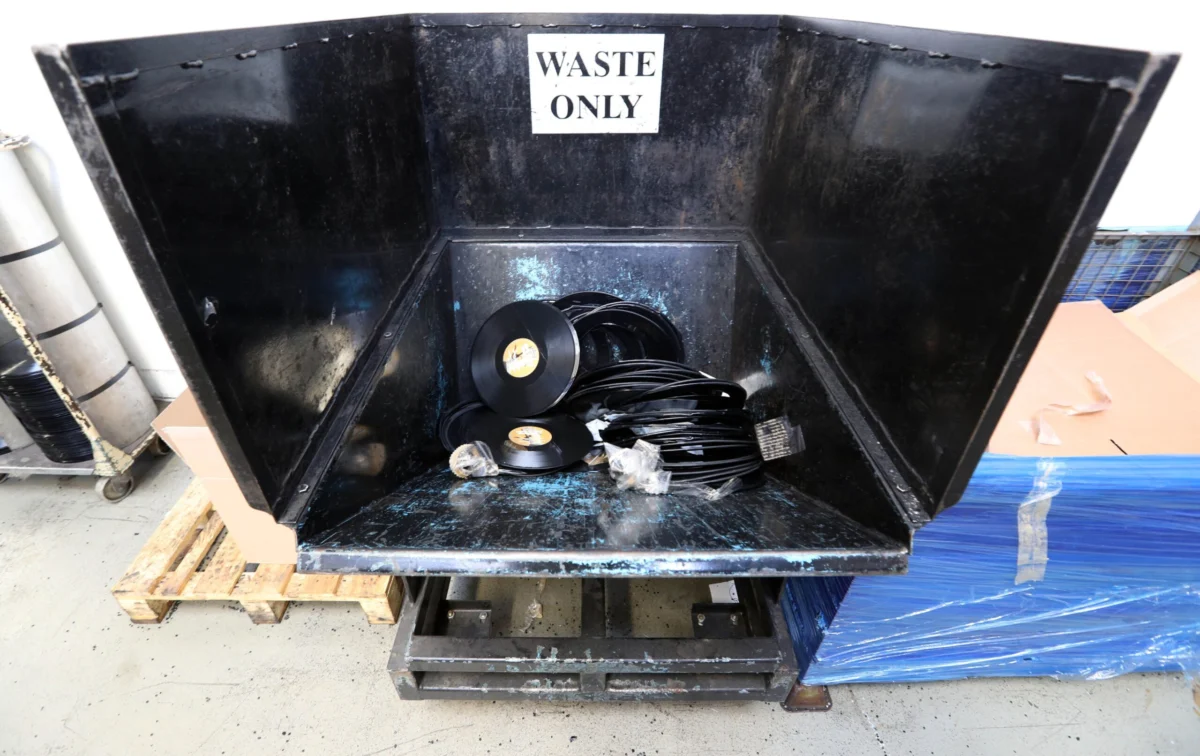
HangupsMusic.com – London, In a landmark ruling that marks a significant victory for the global music industry, a 40-year-old man responsible for the most extensive counterfeit vinyl operation ever uncovered in the United Kingdom has been sentenced to three years and six months in prison. Rehan Ahmed, the mastermind behind a sophisticated seven-year illicit enterprise, appeared before the court on Monday to face the consequences of a massive bootlegging scheme that flooded the market with thousands of unauthorized records. His operation, which traded under the name "Phoenix of Vinyl," was finally dismantled following a high-stakes police raid in 2024, revealing a criminal infrastructure that prioritized profit over artistic integrity and consumer safety.
The scale of Ahmed’s operation was nothing short of industrial. Upon entering his warehouse, authorities were met with a scene that stood in stark contrast to the pristine, high-fidelity world of modern vinyl collecting. Investigators discovered a staggering inventory of 15,000 counterfeit long-playing records (LPs). These were not niche or obscure recordings; instead, Ahmed targeted the industry’s most lucrative and high-profile stars. The seized stock included unauthorized pressings of global icons such as Taylor Swift, Drake, Rihanna, Bad Bunny, Ed Sheeran, and legendary acts like the Beatles. In total, the collection spanned the discographies of 108 different artists, representing a cross-section of the world’s most popular music across multiple genres and generations.
The legal proceedings revealed that Ahmed’s criminal activity was not a momentary lapse in judgment but a calculated, long-term defiance of the law. He pleaded guilty to two counts of breaching artists’ copyright and additional charges related to the acquisition and use of criminal property. The financial figures associated with "Phoenix of Vinyl" are as immense as the physical inventory seized. Over the course of his operation, Ahmed generated an estimated £2,743,000—roughly equivalent to $3.67 million—in sales. This substantial revenue was built on the backs of artists and labels who saw none of the proceeds from the millions of dollars flowing through Ahmed’s accounts.
One of the most damning aspects of the case was the revelation that Ahmed had been formally warned years prior. In 2017, he was served with a legal cease and desist order, a clear instruction to halt his unauthorized production activities. Rather than complying with the law and transitioning to a legitimate business model, Ahmed chose to double down, continuing to press and distribute bootleg records for another seven years. This persistent disregard for intellectual property rights and legal warnings likely played a significant role in the severity of the prison sentence handed down by the court.
The conditions of the Phoenix of Vinyl production facility, as described by investigators and reported by The Guardian, were described as "squalid." The raid painted a picture of a hazardous and disorganized environment that bore no resemblance to a professional manufacturing plant. Police found dangerous chemicals, essential for the record-pressing process, stored haphazardly in refrigerators alongside cans of alcoholic lager. Documents, receipts, and thousands of records were found scattered across the floor in a state of disarray, suggesting a chaotic operation that disregarded both safety protocols and quality control. This lack of professionalism often translates to the product itself; counterfeit vinyl is notorious for poor sound quality, warped discs, and inferior packaging that can damage the sensitive needles of high-end turntables.
The sentencing has been met with strong approval from industry watchdogs. Peter Ratcliffe, the director of content protection at the BPI (British Phonographic Institute), issued a statement highlighting the broader implications of such criminal activity. Ratcliffe noted that while the resurgence of physical music formats like vinyl has been a boon for the industry and fans alike, it has also created a vacuum that criminals are eager to fill. He emphasized that the growth of the counterfeit market is a parasitic development, cashing in on the passion of collectors while actively draining resources from the creators and legitimate businesses that sustain the music ecosystem.
Ratcliffe further elaborated on the social cost of these "industrial-scale" frauds. He argued that the impact of music piracy extends beyond the balance sheets of record labels. The funds generated by large-scale bootlegging operations often find their way into other forms of organized crime, meaning that an unsuspecting fan purchasing a "rare" Taylor Swift bootleg could inadvertently be financing more dangerous criminal enterprises. "This doesn’t just impact the legal music economy and everyone that works and invests in it," Ratcliffe stated. "It also affects every one of us as citizens who fall victim to other forms of criminality that it funds."
The vinyl revival, which has seen sales reach heights not seen since the 1980s, has changed the landscape of music consumption. For many fans, owning a physical record is a tactile, premium experience. Collectors often hunt for limited editions, colored wax, and high-quality gatefold sleeves. Ahmed’s operation exploited this "fandom economy" by producing fakes that mimicked these high-value items. By saturating the market with 15,000 illegitimate copies, he not only stole revenue from artists but also devalued the collections of honest fans who may have unknowingly purchased his "squalid" pressings thinking they were getting a piece of music history.
The complexity of the modern vinyl market makes enforcement a challenging task. With the rise of online marketplaces and independent record fairs, it has become easier for counterfeiters to hide their products among legitimate stock. However, the BPI and law enforcement agencies have been ramping up their efforts to monitor supply chains and identify outliers like Phoenix of Vinyl. The three-and-a-half-year prison sentence serves as a stern warning to others who might consider entering the lucrative but illegal world of record bootlegging. It signals that the UK legal system is prepared to treat intellectual property theft with the same gravity as other major financial crimes.
For consumers, the Ahmed case serves as a cautionary tale. Experts in the field suggest several ways to identify counterfeit vinyl. Authentic records typically feature high-resolution artwork; fakes often have blurry or pixelated covers, a result of scanning original sleeves rather than using master files. Additionally, legitimate pressings contain specific "matrix numbers" etched into the run-out groove of the vinyl, which can be cross-referenced with online databases like Discogs. If a price seems too good to be true for a rare or out-of-print album, or if the seller’s location and business practices seem opaque, there is a high probability that the product is a bootleg.
As the music industry continues to navigate the digital age, the physical market remains a vital pillar of its financial health. The removal of a major player like Rehan Ahmed from the board is a significant step in protecting that pillar. While the 15,000 records seized in the raid will likely be destroyed, the message sent by the court will resonate throughout the industry. The "Phoenix" has finally been extinguished, and with it, one of the most prolific chapters of music fraud in British history has come to a close. The focus now shifts back to the artists and the millions of fans who deserve a marketplace defined by authenticity, quality, and respect for the creative process.
