
 By admin
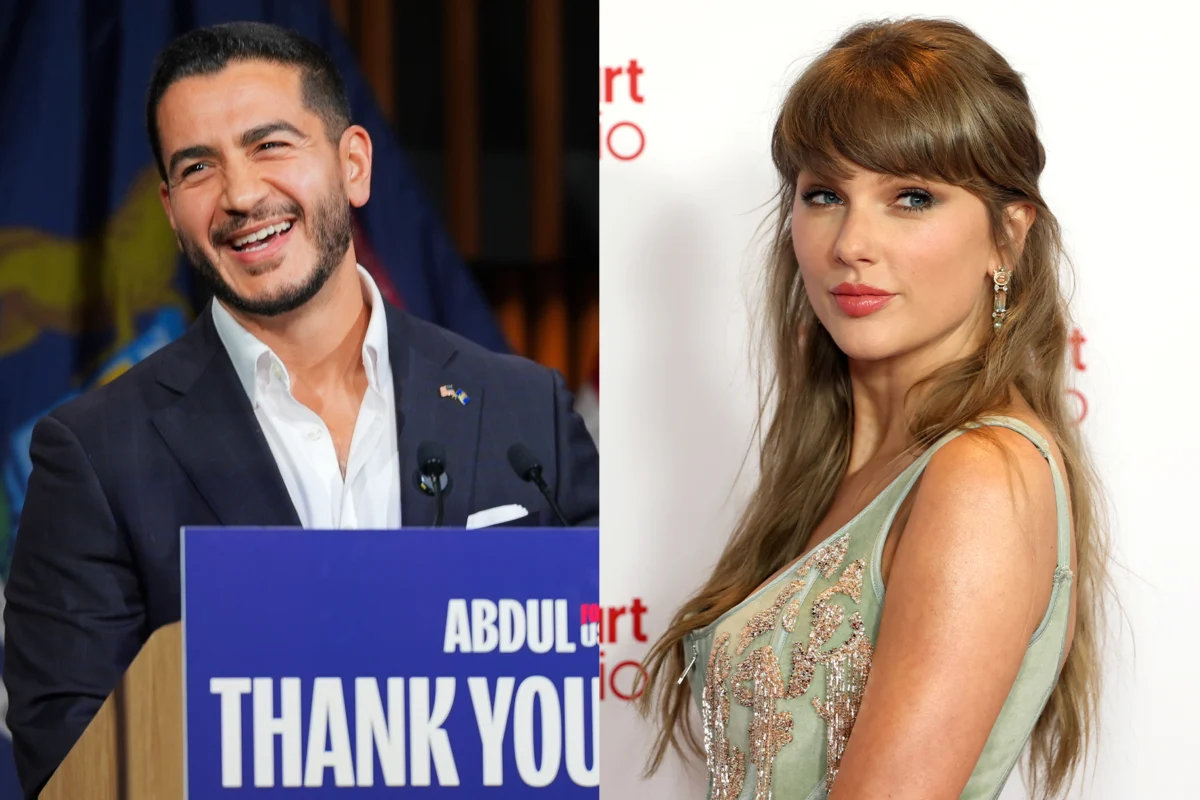
HangupsMusic.com – Michigan – The political landscape of Michigan has shifted dramatically with the election of Dr. Abdul El-Sayed to the state’s open Senate seat, a victory that observers suggest was not solely built on policy platforms but also on a surprisingly resonant connection to pop culture icon Taylor Swift. The physician, whose admiration for the Grammy-winning artist is well-documented, emerged triumphant from a fiercely contested race on Tuesday, leaving many to ponder the subtle, yet potent, influence of his "Swiftie" status on his path to Washington.
El-Sayed’s campaign masterfully leveraged the pervasive reach of social media, particularly TikTok, to connect with voters on a more personal and culturally relevant level. This past summer, a video featuring the then-U.S. Senate hopeful became one of his most widely viewed digital assets, a testament to its strategic brilliance. In the visually warm clip, El-Sayed appeared on a balcony, exuding a casual yet charismatic air, dressed in jeans, his signature snug black V-neck, and an American-flag patterned cowboy hat. While the visual aesthetic was engaging, it was the auditory choice that propelled the video into viral territory: Taylor Swift’s beloved track, “You Belong With Me (Taylor’s Version).”
However, the campaign wasn’t content with merely using the song; they reimagined it. The lyrics were cleverly adapted to deliver pointed jabs at his opponent, Mike Rogers, transforming a romantic ballad into a witty political commentary. The accompanying caption, "Happy Taylor wedding… err, July 4th weekend," was a knowing nod to Swift’s famously extravagant annual Independence Day celebrations, a cultural touchstone for many of her devoted followers. This blend of humor, political satire, and pop culture savvy proved irresistible, leading the video to amass an astounding 5.7 million views across the platform.
The comment section beneath the video quickly became a digital gathering place for Swifties, whose enthusiastic responses underscored the campaign’s success in tapping into this influential demographic. Messages like, "Michigan Swifties unite!!!! Proudly voting for you sir 🇺🇸❤️," "LMAO NOT MILLENNIAL SWIFTIE IN MY POLITICS SIGN ME UP," and "This swiftie will be voting for you. 🇺🇸" flooded the feed. These comments were more than just likes; they represented a tangible declaration of support, demonstrating a direct correlation between El-Sayed’s cultural alignment and voter intention. His Democratic nomination for the Senate race, secured in August just weeks after the TikTok’s release, served as an early indicator of this strategy’s effectiveness. While his commitment to core policy issues—such as enhancing affordability, broadening access to healthcare, and establishing robust AI regulation—undoubtedly formed the bedrock of his appeal to Michigan voters, the undeniable charm of his "Swiftie" affiliation certainly didn’t hinder his ascent.
A significant aspect of El-Sayed’s Swiftie narrative lies in the superstar’s tacit endorsement—or rather, her deliberate non-interference. Unlike instances where Taylor Swift’s music has been swiftly removed from content, particularly when used by figures like Donald Trump and his White House social media teams, El-Sayed’s campaign was allowed to continue its musical messaging unhindered. When questioned by a constituent about Swift’s reaction to the viral clip, the now Senator-elect highlighted this intriguing fact: "Here’s the interesting thing, they never forced us to take it down." This stands in stark contrast to previous political contexts where Swift’s music was notably muted or pulled from videos, particularly when deployed in attempts to provoke a response from the artist herself. This distinction suggests a nuanced understanding by Swift’s camp of the context and intent behind the usage, perhaps recognizing El-Sayed’s genuine appreciation rather than opportunistic appropriation.
El-Sayed’s connection to the Swiftie universe extends beyond a single viral moment. In the days leading up to election night, the politician appeared on Liz Plank’s Boy Problems podcast, offering further insight into his musical inclinations. He revealed that his daughter is a fervent "Swiftie," a personal detail that immediately humanized him to the fanbase. During the discussion, Plank raised the topic of Swift’s recent release, The Life of a Showgirl: The Encore, an album that had garnered a somewhat mixed reception from both critics and fans. Rather than offering a superficial opinion, El-Sayed provided a thoughtful and articulate defense of the project, showcasing a depth of understanding that resonated deeply with Swift’s most dedicated followers.
"She is one of the most self-understanding artists of our time," El-Sayed posited, delving into the creative process. "You got to imagine right like when you’re making music for as long as she’s made music. You want to push the boundaries of your own genre and I think what she tried to do with Life of a Showgirl is push the boundaries out of her comfort zone." He continued, drawing a distinction between an artist’s comfort zone and their exploration of new artistic terrain. "So, it’s kind of like saying, is it as good relative to Taylor doing what Taylor does the most naturally? Of course not. But is it an artist reflecting a different or flexing a different muscle and taking a risk? Yes. And I think we need to empower artists when they do that because they’re pushing the frame of themselves in their own art." This nuanced perspective, celebrating artistic courage and evolution, was precisely the kind of insight that endeared him further to the Swiftie community, who often champion Swift’s creative autonomy and experimental spirit.
Naturally, El-Sayed’s insightful commentary on Swift’s artistry ignited a wave of approval among her dedicated fanbase. On X (formerly Twitter), one fan account enthusiastically posted, "Wait he’s actually a #true swiftie for realizing a lot of showgirl is an exaggerated persona." Another user noted, "He’s a folkmore era stan too. I was not aware of his game!" referencing Swift’s critically acclaimed albums folklore and evermore, which marked a significant stylistic departure for the artist. The immediate aftermath of El-Sayed’s victory announcement saw a surge of triumphant posts from Swifties, celebrating his win as their own. One X user remarked, "This is when I knew El-Sayed had it. God probably collapsed when he saw taylor on the caller id," playfully referencing El-Sayed’s earlier Showgirl discussion.
As El-Sayed’s electoral success became undeniable, the digital celebrations across Swiftie fan accounts intensified. "Abdul al-sayed is gonna have the time of his life trolling jd Vance next year 😂" one X user declared, cleverly invoking the narrative and spirit of Swift’s song "The Last Great American Dynasty." Another user, drawing from Swift’s iconic 1989 album, posted, "Abdul El-Sayed being swiftie under woke three heartbreak is the national anthem and we will be singing it proudly." On Reddit, the r/swifties channel became a hub of jubilation, with one thread dedicated entirely to El-Sayed’s triumph, simply titled: "A Swiftie made it to the Senate!" and adding, "Congrats Dr. El-Sayed, avowed Swiftie!"
The intersection of pop culture and politics, particularly through the lens of a fervent fanbase like the Swifties, offers a fascinating case study in modern campaigning. El-Sayed’s strategic embrace of his Swiftie identity, whether through viral TikToks or thoughtful artistic commentary, transcended traditional political discourse. It allowed him to connect with a broad, engaged, and often politically active demographic on an emotional and cultural level, humanizing his persona and fostering a sense of shared identity. His victory suggests that in an increasingly fragmented media landscape, understanding and authentically engaging with cultural phenomena can be just as impactful as any stump speech or policy paper, tuning into the rhythm of a new kind of political engagement.
