
 By Azzam Bilal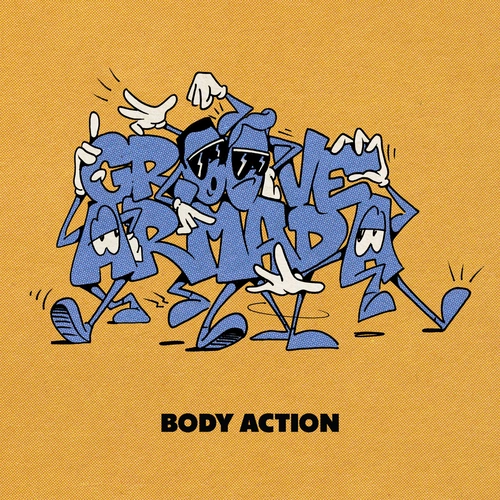
HangupsMusic.com – London, For over two decades, the name Groove Armada has been synonymous with the fluctuating pulse of British electronic music. From the downtempo, sunset-drenched melodies of "At the River" to the high-octane, genre-blurring energy of "Superstylin’," Andy Cato and Tom Findlay have navigated the shifting tides of dance culture with a rare degree of longevity. However, as the duo moves further into their third decade of production, their output has increasingly shifted toward a more pragmatic, club-focused aesthetic. Their latest release, the Body Action EP, serves as a fascinating, if somewhat divisive, case study in this transition. While the EP showcases the technical proficiency of two masters of their craft, it also raises questions about the line between functional dance-floor utility and creative innovation.
To understand the Body Action EP, one must first understand the landscape in which it arrives. We are currently living through a period of intense electronic music nostalgia, where the sounds of the 1990s—specifically early house, acid, and UK garage—have been revitalized for a new generation of clubbers. Groove Armada, having lived through the original iterations of these movements, occupies a unique position. They are not merely "reviving" a sound; they are returning to the tools that defined their formative years. Yet, the Body Action EP feels less like a nostalgic celebration and more like a collection of high-grade "tools"—tracks designed specifically for the rigors of a modern DJ set rather than for home listening or critical dissection.
The EP opens with "U Found Love," featuring Give Love, a track that immediately anchors itself in the aesthetic of the early 90s. The centerpiece of the production is the unmistakable timbre of the Korg M1, a workstation synthesizer that defined the house music era with its iconic piano and organ presets. For some, the return to this sound is a welcome comfort, a reminder of the soulful roots of the genre. However, the track struggles to move beyond its influences. In a contemporary scene where the "M1 revival" has been in full swing for nearly a decade, the use of these specific textures can feel somewhat derivative. The production is undeniably clean, and the vocal delivery is competent, but the track lacks the emotional resonance or the "hook" that once made Groove Armada’s house excursions so memorable. It is a track that will undoubtedly work in the heat of a summer festival set, but it feels like a well-executed exercise in style rather than a step forward.
The title track, "Body Action," moves the EP into darker, more minimalist territory. Here, Cato and Findlay lean into the tropes of acid house, utilizing the squelching, resonant filters of the TB-303—or a modern digital equivalent—to drive the energy. The track is stripped-down and rhythmic, focusing on a steady progression that builds tension through repetition. In a club environment, "Body Action" is a formidable weapon. Its simplicity is its strength; it provides a reliable bridge between tracks, maintaining a steady heartbeat on the dance floor without demanding too much of the listener’s intellectual attention. However, when removed from the context of a smoke-filled room and a massive sound system, the track’s lack of a central melody or a surprising structural pivot becomes more apparent. It is a "functional" track in the truest sense of the word—engineered for purpose, but perhaps lacking the "soul" that fans have come to expect from the duo.
Perhaps the most scrutinized track on the EP is "Gangster Girl," a production that attempts to blend ragga-inflected vocals with a garage-influenced rhythmic structure. For any long-term follower of Groove Armada, the comparison to "Superstylin’" is inevitable. That 2001 anthem remains a benchmark for how to successfully fuse dancehall energy with house music production, characterized by its earth-shaking bassline and infectious charisma. "Gangster Girl," by comparison, feels like a lighter, more polite cousin. While it captures the aesthetic of the ragga-garage hybrid, it lacks the raw, gritty "toughness" that made their earlier work in this vein so groundbreaking. The bassline, while present, doesn’t quite have the weight to carry the track, and the overall production feels a bit too polished for a genre that usually thrives on a bit of sonic dirt. It is a competent club track, but it serves as a reminder of how high the bar was set by the duo’s previous triumphs.
This brings us to the central tension of the Body Action EP: the concept of the "utilitarian" record. In the world of electronic music, there is a distinct difference between an "artist album" and a "DJ EP." The former is expected to tell a story, to innovate, and to provide a cohesive listening experience. The latter is often a collection of tools designed to help a DJ manage the energy of a room. In this regard, the Body Action EP is a resounding success. It is well-engineered, the mix-downs are professional, and the tracks are structurally sound for mixing. If you were to hear these tracks during a Groove Armada DJ set at a major festival this summer, they would likely feel perfectly at home, providing the necessary momentum to keep a crowd moving.
However, for the casual listener or the dedicated fan, the "utilitarian" nature of the EP can feel like a missed opportunity. Groove Armada has always been at their best when they were taking risks—when they were blending live instrumentation with electronic beats or experimenting with song structures that defied the standard four-to-the-floor template. The Body Action EP feels safe. It is the work of two producers who know exactly what works on a dance floor and have decided to provide exactly that, without any unnecessary flourishes or experimental detours.
The term "Groove Dredger" has been used to describe this phase of their career, suggesting that the duo is dredging up established sounds and refining them rather than charting new waters. While that might sound like a harsh assessment, it speaks to a broader trend in the careers of veteran electronic acts. There often comes a point where the desire to reinvent the wheel is replaced by a desire to master the mechanics of the wheel. Cato and Findlay are masters of the mechanics. They understand the physics of a dance track—how to EQ a kick drum so it punches through a room, how to layer a synth to create a sense of space, and how to pace a track so it never loses its footing.
Ultimately, the Body Action EP is a testament to the duo’s enduring professionalism. It is not an EP that will redefine the genre, nor will it likely be remembered as a high point in their extensive discography. But it is a solid, dependable release that serves the current needs of the global club circuit. It reflects a duo that is comfortable in its skin, no longer feeling the need to prove their versatility, but instead focusing on the fundamental elements of the groove.
As the summer season progresses, these tracks will undoubtedly find their way into playlists and record bags across the globe. They will provide the soundtrack to countless nights out, doing their job with a quiet, efficient competence. For those seeking the boundary-pushing creativity of Goodbye Country (Hello Nightclub), this EP may leave them wanting more. But for those looking for a reliable set of tracks to fuel a night on the floor, Groove Armada has delivered exactly what was required. The Body Action EP may not set the world on fire, but it certainly keeps the pilot light of British house music burning steady.
