
 By admin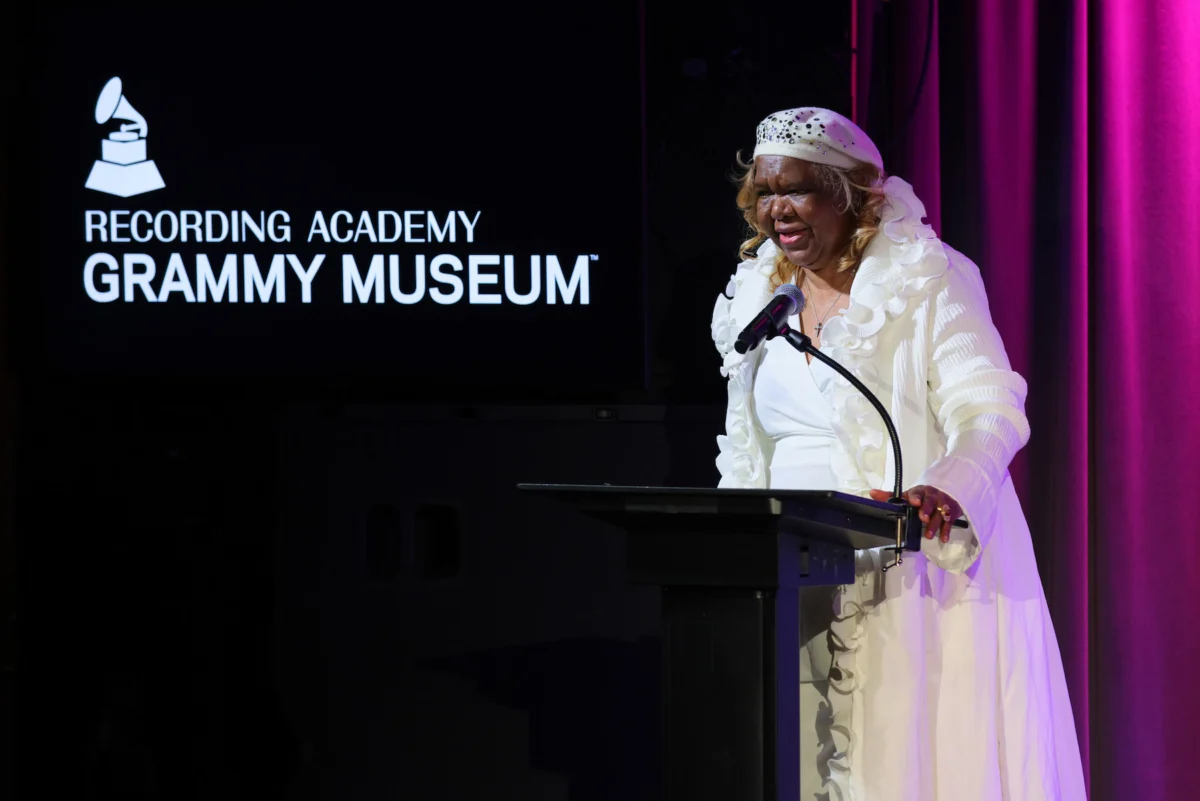
HangupsMusic.com – Los Angeles, The music world mourns the passing of Janie Bradford, a pivotal figure in the genesis and sustained success of Motown Records. Bradford, a celebrated co-writer of the label’s inaugural national hit, "Money (That’s What I Want)," and numerous other timeless tracks for the iconic Detroit institution, departed on August 21st at the age of 87. Her family confirmed her passing from an extended illness at Cedars-Sinai Hospital in Los Angeles, marking the end of an era for one of music’s most influential, yet often understated, architects.
Berry Gordy Jr., the visionary founder of Motown, expressed profound sorrow upon learning of Bradford’s death, emphasizing her foundational role in the label’s history. "Janie was there with me from the very beginning, before there was even a Motown," Gordy stated in a heartfelt tribute. "She will always hold a very special place in my heart and in the Motown family." This sentiment underscores Bradford’s unique position, not just as an employee, but as an integral member of the core team that laid the groundwork for a global musical phenomenon. Her journey from the front desk to the songwriting room exemplifies the dynamic, talent-driven environment Gordy fostered, where dedication and innate ability could carve out remarkable careers.
Bradford’s introduction to Gordy was facilitated by a mutual acquaintance, the legendary R&B singer Jackie Wilson, a neighborhood friend who had already found success with Gordy-penned tracks like "Reet Petite." This connection proved serendipitous, paving the way for Bradford to join the fledgling enterprise that would soon become Hitsville U.S.A. Gordy’s recollections paint a vivid picture of Bradford’s character during those formative years: "Janie was smart, clever, witty, and fun. She was also talented and determined." These qualities were not merely anecdotal; they were essential attributes in the demanding, all-hands-on-deck atmosphere of early Motown. Initially stepping into the role of the label’s first receptionist, Bradford quickly demonstrated that her contributions would extend far beyond administrative duties, her creative spark destined to ignite some of Motown’s earliest and most enduring flames.
The year 1959 marked a pivotal moment in both Bradford’s career and Motown’s trajectory with the co-creation of "Money (That’s What I Want)." Penned alongside Berry Gordy, this track became Motown’s very first hit single, propelled into the national consciousness by Barrett Strong’s impassioned vocal performance. The song’s raw, bluesy energy and universal lyrical theme of financial necessity resonated deeply with audiences, laying a crucial cornerstone for the label’s future sonic identity. Its immediate success validated Gordy’s vision and provided the nascent company with crucial momentum. The Motown Museum, in its own tribute, highlighted Bradford’s crucial lyrical contribution to the track: "One day, as Gordy was working on a song, Bradford joined him by the piano to add her own verse — ‘your love gives me such a thrill, but your love don’t pay my bills. Gimme some money baby!’" This iconic couplet, delivered with a mix of playful urgency and stark realism, perfectly encapsulated the song’s message and showcased Bradford’s innate ability to craft memorable, relatable lyrics that cut straight to the heart of the human experience.
The impact of "Money (That’s What I Want)" extended far beyond its initial success, achieving legendary status through its widespread adoption by rock and roll titans across the Atlantic. Just four years after Barrett Strong’s version, The Beatles, captivated by its infectious rhythm and compelling message, recorded their rendition for their 1963 album With the Beatles, introducing the song to a global rock audience. Not long after, in 1964, The Rolling Stones further cemented the track’s iconic status by including their own gritty interpretation on their debut EP. These high-profile covers by two of the world’s biggest bands not only propelled "Money" into the pantheon of rock classics but also served as an early, powerful testament to the universal appeal and timeless quality of Motown’s songwriting, much of which was shaped by talents like Janie Bradford. Her ability to tap into fundamental human desires and translate them into catchy, memorable phrases made "Money" a timeless anthem, transcending genre and generation.
Bradford’s influence was not limited to this groundbreaking hit. Her quarter-century tenure at Motown saw her contribute to a remarkable catalog of songs that became cornerstones of the label’s sound. She co-wrote Marvin Gaye’s soulful classic "Too Busy Thinking About My Baby," a track that beautifully showcased Gaye’s vocal prowess and Bradford’s knack for poignant storytelling. Her pen also contributed to Mary Wells’ "Your Old Standby," a testament to her versatility in crafting narratives of love and longing. Beyond these, her songwriting credits extended to tracks for some of Motown’s most celebrated artists, including Diana Ross and The Supremes, Stevie Wonder, The Temptations, and The Marvelettes. These collaborations underscore her profound impact across the Motown roster, proving her ability to adapt her lyrical style to different artists and genres while maintaining the distinctive Motown appeal – a blend of pop polish, R&B soul, and undeniable catchiness. Her work helped to define the emotional depth and lyrical sophistication that became hallmarks of the Motown sound.
Berry Gordy aptly described Janie Bradford as one of the "Original Motown Family – The Unsung Heroes" who wholeheartedly believed in the dream before the world truly understood the magnitude of what Motown would become. This designation speaks volumes about the collective spirit and unwavering dedication of those early pioneers. In the bustling, often chaotic environment of Hitsville U.S.A., every individual played a crucial role, and Bradford’s transition from receptionist to a prolific songwriter epitomized this ethos. She was not just a cog in the machine; she was a vital component of its creative engine, contributing her intellect, wit, and musicality to build an empire from the ground up. Her story is a powerful reminder that the success of legendary labels is often built on the collective genius and tireless efforts of many, not just a few prominent figures. Bradford’s contributions, though perhaps less spotlighted than the superstar vocalists, were nonetheless indispensable in shaping the Motown legacy.
Beyond her direct musical contributions, Janie Bradford dedicated decades of her life to fostering future talent and celebrating the architects of the music community through her Heroes and Legends Scholarship Fund. Established in the 1990s, this philanthropic endeavor was a natural extension of her generous spirit and commitment to others. The fund aimed to assist deserving young people in pursuing their artistic and academic dreams, providing crucial support and encouragement. Concurrently, the annual gatherings organized by Heroes and Legends became cherished events, bringing together music veterans and new talent in an atmosphere Gordy affectionately described as "old home week." These gatherings served as vital opportunities to honor the often-overlooked figures who built the music industry, ensuring that their legacies were recognized and celebrated. Bradford’s enduring dedication to this cause underscored her belief in giving back and maintaining the familial bonds that characterized the early Motown days.
In recent years, Bradford’s profound contributions received further, well-deserved recognition, culminating in her induction into the Women Songwriter’s Hall of Fame. This honor, alongside numerous other awards and commendations bestowed upon her throughout her career, cemented her place as a true luminary in the music industry. These accolades serve as a testament to a life dedicated to artistry, community, and the relentless pursuit of dreams. Janie Bradford’s journey, from the front desk of a nascent record label to the hallowed halls of music history, is a powerful narrative of talent, tenacity, and unwavering commitment. Her songs will continue to resonate, her philanthropic efforts will continue to inspire, and her legacy as a foundational pillar of Motown and a champion of aspiring artists will endure for generations to come.
