 By admin
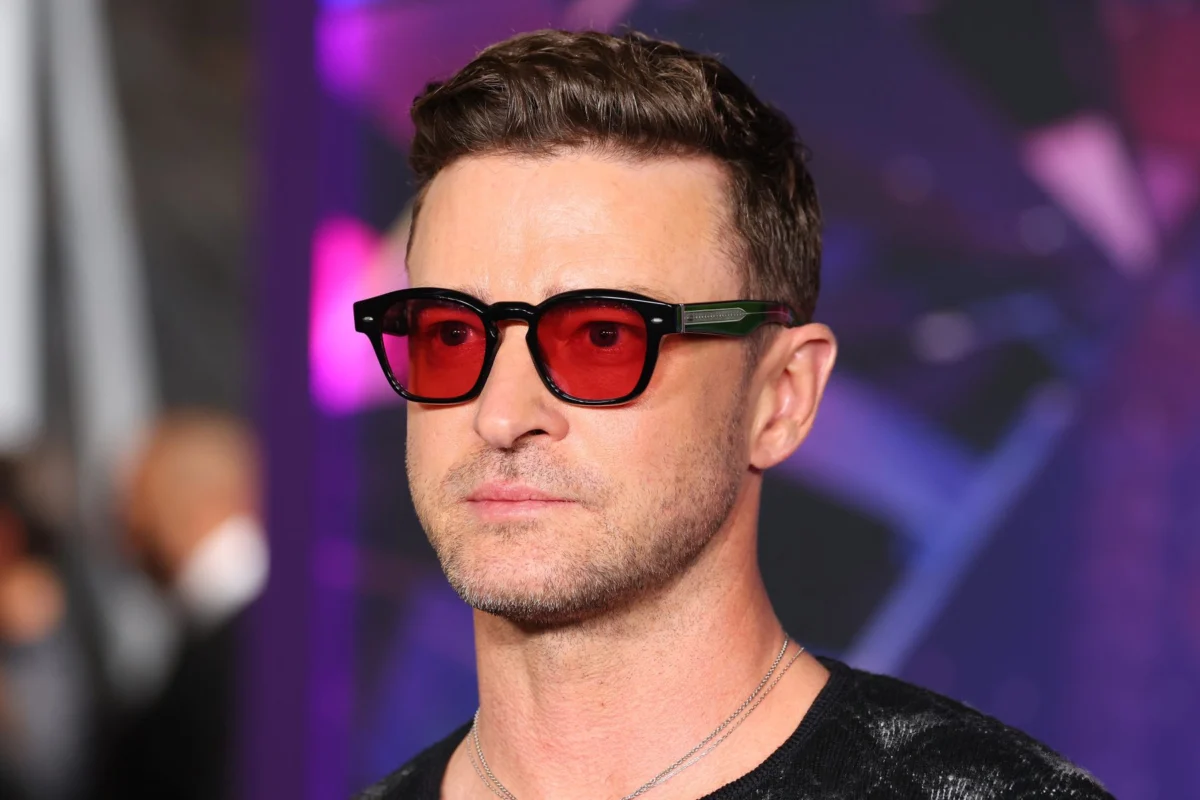
HangupsMusic.com – The ever-evolving landscape of pop culture, driven by the relentless churn of social media, recently saw global superstar Justin Timberlake engage with his past in a profoundly self-aware and humorous manner. Responding to a viral video that playfully highlighted his distinctive beatboxing penchant from the early 2000s, Timberlake offered a memorable, albeit mock-apologetic, confession: "Too many boots. Too many cats. I hope you can forgive me." This candid interaction, delivered with a characteristic blend of charm and wit, not only endeared him further to fans but also sparked a wider conversation about the indelible marks artists leave on the cultural consciousness, sometimes unintentionally, sometimes with a rhythmic "boots and cats" flourish.
The genesis of this viral moment traces back to an Instagram creator, Hannah Young, whose comedic observations frequently tap into shared pop culture nostalgia. Young’s particular video struck a chord by pointing out what, in hindsight, seemed like an unquestioned anomaly in Timberlake’s burgeoning career. She humorously articulated how, during his *NSYNC tenure and the nascent stages of his solo journey, Timberlake would frequently interject his performances and recordings with a signature beatboxing rhythm, often simplified to the mnemonic "boots and cats." Young’s clip resonated precisely because it voiced a collective, unspoken acknowledgment of this peculiar habit. "We don’t talk about Justin Timberlake beatboxing enough," she mused in the video, adding, "Because there was a moment in time where that man would be in the middle of a song and just boots and cats and boots and cats. Nobody questioned it. Nobody said, ‘Justin, you know? We have drums. This is a professional recording studio. There are instruments available to you.’ And we liked it. That’s what I need us to sit with."
Timberlake’s immediate and unreserved response transcended a mere celebrity acknowledgment; it was a masterclass in engaging with fan culture. He dived into the comment section, confessing, "I often look back on that time as well. I still haven’t come up with any answers. I don’t know how to apologize enough for whatever those ambitions were." The playful self-deprecation, culminating in the now-iconic "Too many boots. Too many cats," demonstrated an artist comfortable enough in his legacy to jest about its more idiosyncratic chapters. The cherry on top, however, was his mischievous addendum: "Also, I can’t promise I won’t do it again. God help us all." This line, a blend of mock-threat and genuine affection for his past, hinted at the possibility of future, nostalgic beatboxing escapades, keeping fans eagerly anticipating.
The "boots and cats" phenomenon, while lighthearted, serves as a fascinating lens through which to view Timberlake’s artistic evolution. In the late 1990s and early 2000s, beatboxing was a common, if not always polished, element in pop, R&B, and hip-hop influenced music. It offered a raw, immediate percussive layer, often showcasing an artist’s innate musicality beyond their vocal prowess. For *NSYNC, a group celebrated for its intricate harmonies and choreographed performances, Timberlake’s beatboxing added an unexpected, street-smart edge, particularly evident on tracks like their 2001 hit "Pop." This song, a self-referential anthem about the group’s journey and defiance of critics, featured a prominent beatbox breakdown that underscored their artistic ambition to move beyond the traditional boy band mold. It was a statement of versatility, a declaration that their musicality extended beyond the polished studio sheen.

However, the true significance of beatboxing in Timberlake’s career extends beyond mere performance flair. It was a foundational element in shaping the sound that would define his groundbreaking solo debut. Famously, the blueprint for his critically acclaimed 2002 single "Cry Me a River" originated from the mind of legendary producer Timbaland, who laid down the initial rhythmic structure through beatboxing. Timberlake recounted this pivotal moment during an interview on Hot Ones, describing how he entered the studio in a less-than-enthusiastic mood. Timbaland, sensing the atmosphere, simply began beatboxing, conjuring the haunting, syncopated rhythm that would become the backbone of the iconic track. "Four hours later it was, like, written and recorded and then we started working on post-production," Timberlake shared, illustrating the raw, organic creative process that birthed one of his early signature hits. This anecdote highlights beatboxing not just as a vocal trick, but as a genuine tool for musical composition and inspiration, capable of sparking entire sonic landscapes.
"Cry Me a River," released on Timberlake’s debut solo album Justified, marked a definitive pivot from his boy band past, establishing him as a serious R&B-pop artist. The album, produced largely by Timbaland and The Neptunes, presented a sophisticated, forward-thinking sound that blended R&B, hip-hop, and electronic elements, setting the stage for his subsequent domination of the pop charts. Justified was a critical and commercial triumph, paving the way for his even more audacious follow-up, FutureSex/LoveSounds.
As FutureSex/LoveSounds celebrated its 20th anniversary in September [current year, 2026, based on original text’s implication], Timberlake reflected on that era as "life changing." Released in 2006, the album was a monumental artistic statement, pushing the boundaries of pop and R&B with its futuristic soundscapes, minimalist yet impactful production, and Timberlake’s increasingly confident falsetto. It was a record that not only solidified his status as a solo powerhouse but also influenced a generation of artists. The album spawned three Billboard Hot 100 No. 1 singles: the electrifying "SexyBack," which redefined pop with its industrial beats and audacious swagger; "My Love," a mesmerizing collaboration with rapper T.I. that showcased Timbaland’s innovative production; and the cinematic "What Goes Around…Comes Around," a dramatic narrative exploring themes of karma and betrayal. Each track was a testament to Timberlake’s evolving artistry and his fearless embrace of new sonic territories.
Beyond these seminal albums, Timberlake’s career has been marked by an extraordinary run of chart success and critical acclaim. With 39 Billboard Hot 100 entries, 19 top 10 hits, and an impressive five No. 1s, his impact on contemporary music is undeniable. His chart-topping achievements include not only his solo efforts but also significant collaborations, such as Timbaland’s "Give It to Me," featuring Timberlake and Nelly Furtado, and the infectious, feel-good anthem "Can’t Stop the Feeling!" from 2016, which became a global phenomenon.
Timberlake’s journey, from a boy band heartthrob to a Grammy-winning solo artist, actor, and entrepreneur, is a testament to his enduring talent and adaptability. His recent engagement with the "boots and cats" meme illustrates a rare blend of self-awareness and humility, a quality that resonates deeply in an era where celebrity authenticity is highly valued. By playfully acknowledging and even embracing a quirky aspect of his past, Timberlake reinforces his connection with fans, demonstrating that even a global icon can look back at their early ambitions with a chuckle and a wink. And as for his promise to potentially revive the "boots and cats" beatboxing? Only time, and perhaps a spontaneous moment on stage, will tell. For now, the pop world waits, with a rhythmic anticipation for whatever musical surprises Justin Timberlake has in store.
