
 By Rose Miami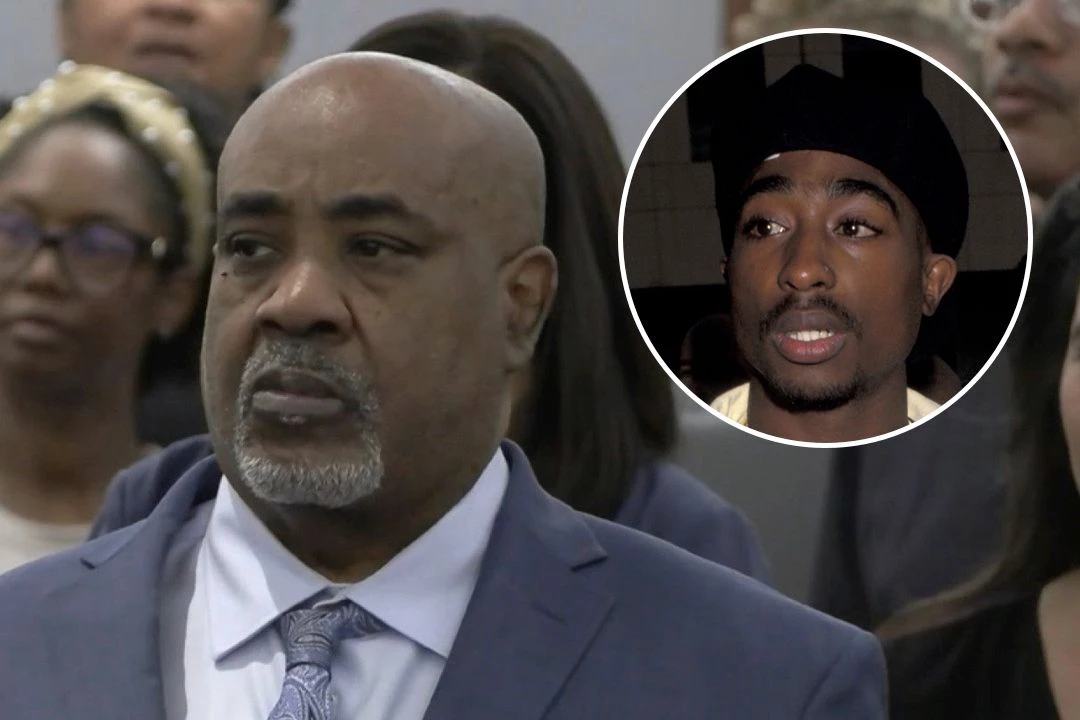
HangupsMusic.com – Las Vegas, NV – The legal battle for justice in the nearly three-decade-old murder of hip-hop icon Tupac Shakur officially commenced this Monday, with opening statements painting starkly contrasting narratives for the jury. At the heart of the proceedings is Duane "Keffe D" Davis, a man who has publicly and repeatedly admitted his involvement in the infamous 1996 drive-by shooting that claimed the life of the legendary rapper. Prosecutors contend that irrefutable evidence, including Davis’s own confessions, will solidify his guilt, while the defense has mounted a vigorous challenge, labeling their client a fabricator with no connection to the crime.
The courtroom, a crucible for one of music’s most enduring mysteries, was addressed by prosecutor Binu Palal, who outlined the prosecution’s case. Palal informed the assembled jurors that their understanding of Keffe D’s culpability would be built upon a foundation of concrete evidence and, crucially, Davis’s own words. To underscore this point, the prosecution presented a series of recorded interviews, spanning years and various media platforms, in which Keffe D detailed his presence at the scene of Tupac’s death near the Las Vegas Strip. In these recorded statements, he explicitly confessed to being in the vehicle from which shots were fired and, most damningly, admitted to handing the firearm to the individual who ultimately pulled the trigger, ending Shakur’s life. The prosecution’s strategy hinges on the idea that these admissions, coupled with corroborating evidence, will leave no doubt about Davis’s role.
However, the defense, led by attorney Michael Sanft, has launched a preemptive strike against these very confessions. Sanft forcefully asserted that Keffe D is not a reliable witness, but rather a habitual embellisher and outright liar. His opening statement was punctuated by the projection of a slide bearing the expletive-laden word "bullsh*t," a visual representation of his fervent belief that his client’s claims are entirely fabricated. "Keffe was known to do this," Sanft declared, implying a pattern of exaggeration and untruthfulness on the part of his client. He argued that the passage of 27 years without Keffe D facing any charges for his alleged involvement speaks volumes. "He was never charged for any of what he said during that time period, and it’s because they knew he was full of crap," Sanft contended, suggesting that law enforcement agencies had long dismissed his statements as unreliable. "Otherwise they would’ve."
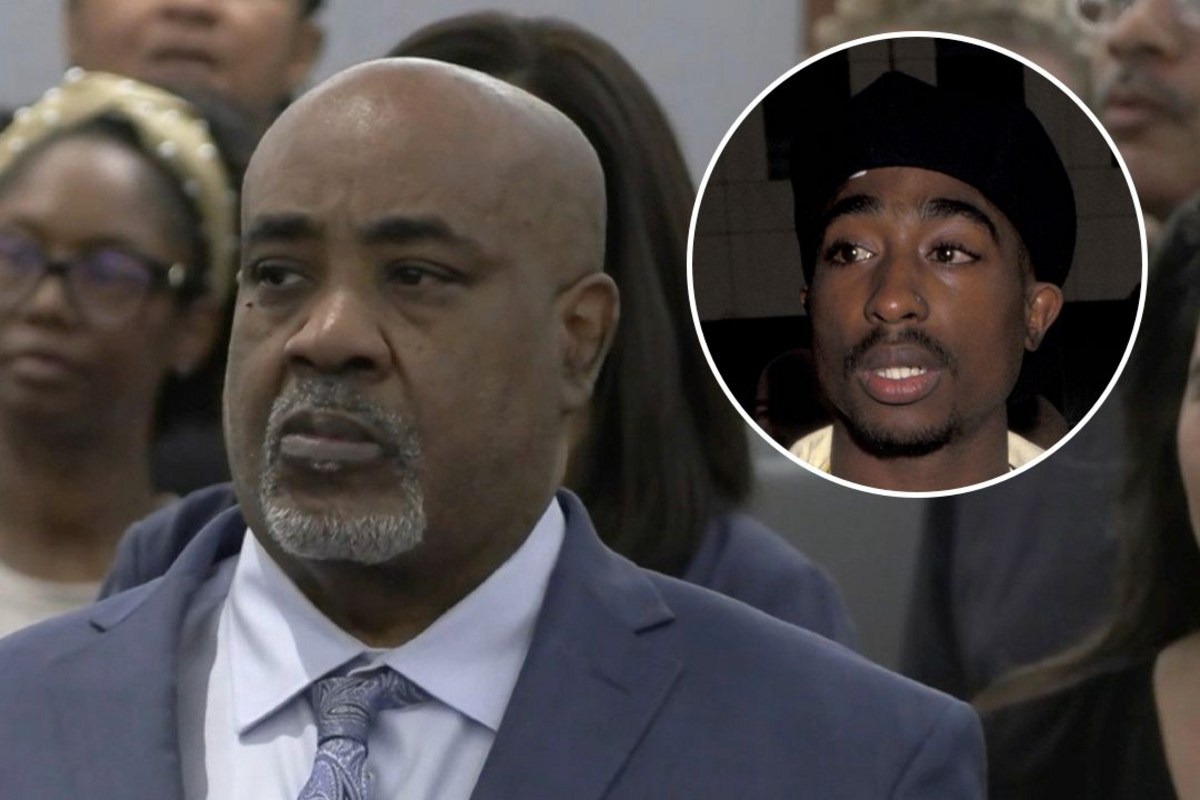
Sanft implored the jury to meticulously examine the facts and challenged the prosecution’s ability to even prove Keffe D’s presence in Las Vegas on the night of the murder. The defense’s core argument appears to be that Keffe D, for reasons yet to be fully elaborated, has constructed a false narrative that has now ensnared him in a murder trial. They aim to dismantle the prosecution’s reliance on his confessions, portraying them as the ramblings of a man seeking attention or attempting to leverage his alleged proximity to the event for personal gain.
The prosecution has detailed the motive behind the shooting, asserting it was an act of retaliation. Keffe D’s nephew, Orlando Anderson, had reportedly been physically assaulted by Tupac Shakur and members of his Death Row Records entourage hours before the fatal incident, following a confrontation at the MGM Grand Casino. The subsequent drive-by shooting, according to the prosecution, was a direct consequence of this earlier altercation, with Keffe D playing a pivotal role in orchestrating the revenge. Investigators maintain that Keffe D provided the very weapon used to end Tupac’s life, thus implicating him directly in the murder.
Beyond Keffe D’s admissions and the defense’s counter-arguments, the trial is expected to feature testimony from individuals who were present or involved in the events leading up to and immediately following the shooting. The jury heard mention of eyewitness Ingrid Stokes, whose account may shed light on the events of that fateful night. Additionally, former Las Vegas Police officer Garry Dale is slated to testify. Dale was the officer who conducted a traffic stop on Suge Knight and Tupac Shakur shortly before the shooting, citing a violation for not having a license plate. This detail, while seemingly minor, could be crucial in establishing a timeline and the movements of the victims in the hours preceding their fatal encounter.
Duane "Keffe D" Davis, now 63 years old, faces a grave charge of murder with a deadly weapon, specifically with the intent to promote, further, or assist a criminal gang. The legal proceedings are anticipated to be extensive, with estimates suggesting the trial could last up to six weeks. The stakes are extraordinarily high; a guilty verdict carries the possibility of a life sentence, a profound consequence for a man whose public pronouncements have placed him at the center of this enduring tragedy. As the trial progresses, the jury will be tasked with sifting through confessions, denials, and a complex web of evidence to determine the truth behind the murder of a cultural icon whose music continues to resonate decades later.
