
 By Azzam Bilal
HangupsMusic.com – AUSTIN, The intersection of music and politics has long been a defining characteristic of the Texas cultural landscape, where the twang of a Telecaster often echoes the fervor of a stump speech. As the upcoming midterm elections approach, this tradition is being revitalized with a high-profile convergence of indie rock legends, country music icons, and a rising star in the Democratic party. State Representative James Talarico, a candidate for the Texas Senate, has increasingly become a focal point for musical activism, securing a series of endorsements that bridge the gap between the outlaw country of the 1970s and the alternative rock scenes of the modern era.
James Talarico, known for his articulate defense of public education and his background as a former schoolteacher, has successfully cultivated an image that resonates with the creative class of Austin and beyond. This appeal has manifested in a wave of support from some of the most influential names in the music industry. The momentum began to build with public nods from Eagles co-founder and Texas native Don Henley, who has historically used his platform and financial resources to influence the state’s environmental and political direction. Further cultural weight was added when The Chicks—formerly the Dixie Chicks—signal-boosted Talarico’s campaign. During a recent public appearance, the trio was seen wearing "I’m a Talafreako" T-shirts, a play on the candidate’s name that quickly went viral among his younger, digitally savvy constituency.
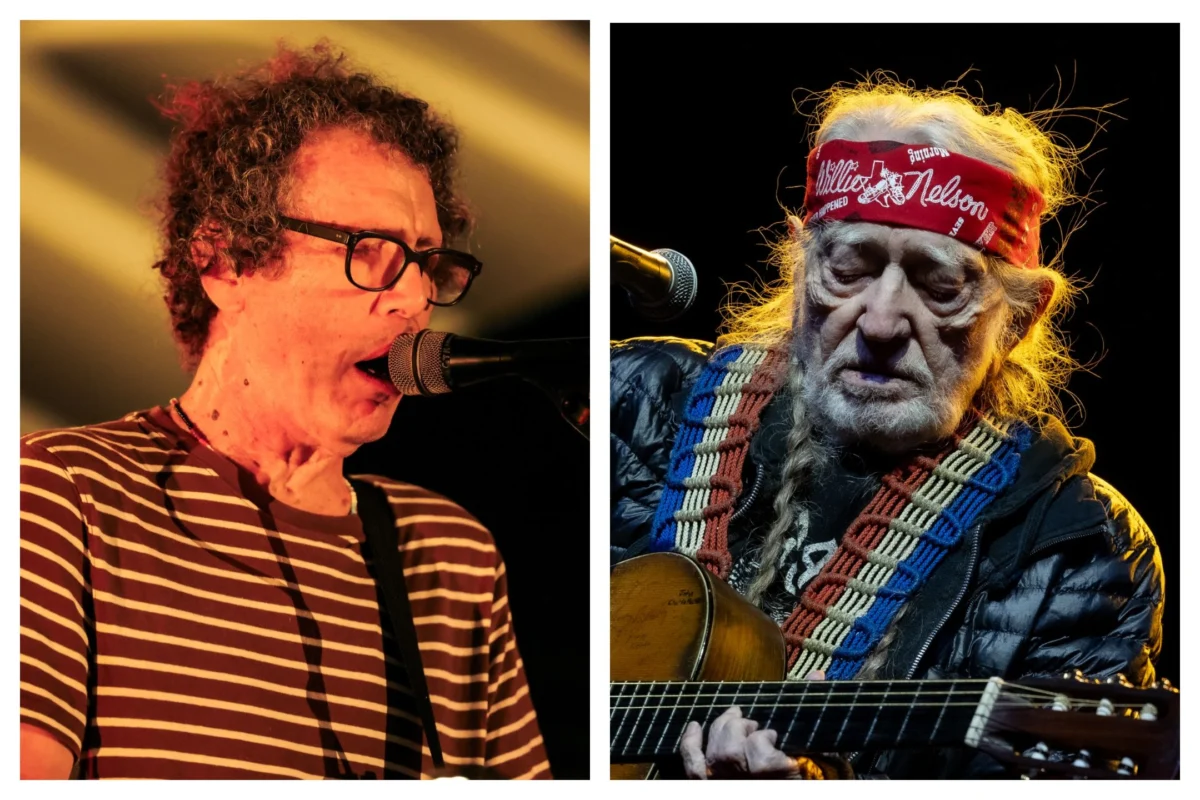
However, the campaign reached a new milestone this summer when it secured the official endorsement of the "Red Headed Stranger" himself, Willie Nelson. Nelson, who remains an unimpeachable figure of Texas identity despite his long history of progressive activism, recently appeared in a campaign video alongside Talarico. The two were first seen together backstage at Nelson’s legendary Fourth of July Picnic, an annual event that serves as a pilgrimage for music lovers across the Southwest. In a brief but impactful online video, Nelson addressed the camera with his trademark gravelly sincerity. "I’ve gotten to know James Talarico," Nelson remarked. "He’s a good man, who will be a good senator for the state of Texas. Please vote and vote for James Talarico."
The endorsement from Nelson is more than just a celebrity cameo; it is a symbolic passing of the torch. For decades, Nelson has represented a specific brand of Texas populism—one that values personal liberty, social justice, and a healthy skepticism of entrenched power. By standing with Talarico, Nelson is signaling to his vast, multi-generational fan base that the young representative aligns with those "outlaw" values. For Talarico, the endorsement provides a layer of cultural legitimacy that is difficult to manufacture, particularly in a state where Nelson is often viewed as a secular saint.
Adding a different sonic texture to the campaign’s outreach is the legendary indie rock trio Yo La Tengo. Known for their eclectic sound and decades of critical acclaim, the New Jersey-based band is set to travel to Austin on October 27 for a specialized benefit concert. The event, which is capped at a strictly limited capacity of 500 attendees, represents a more intimate and grassroots approach to political fundraising. Entry to the show requires a $100 donation directly to Talarico’s Senate campaign, effectively turning a standard rock concert into a high-energy political rally.
Yo La Tengo’s involvement is not a sudden foray into the political arena. The band has a documented history of leveraging their performances for social and political causes. Their activism dates back significantly; in 2004, they were active participants in the "Vote for Change" movement, performing at benefits for John Kerry’s presidential bid. More recently, they have remained vocal supporters of the Democratic ticket, offering private acoustic performances in exchange for donations to the Harris-Walz campaign. Their decision to focus on a state-level race in Texas suggests a strategic belief in Talarico’s potential to influence the broader political trajectory of the American South.

The strategy of utilizing benefit concerts and artist endorsements is a double-edged sword in the Lone Star State, a fact not lost on Talarico’s Republican opposition. Incumbent Senator Ted Cruz, a veteran of many high-stakes Texas battles, was quick to dismiss the musical fanfare. Taking to the social media platform X (formerly Twitter), Cruz offered a snide critique of the strategy, referencing the historical outcomes of past "celebrity-backed" Democratic campaigns. "Willie’s music is great, but historically, this has been the beginning of the end for Democrat campaigns in Texas," Cruz posted, punctuated by an air of calculated confidence.
Cruz’s remarks refer to a phenomenon often discussed in Texas political circles: the "Willie Nelson Curse" or the "Celebrity Bubble." The argument suggests that while artists like Nelson and bands like Yo La Tengo can draw massive crowds and raise significant funds in liberal bastions like Austin, their endorsements can sometimes alienate more conservative or moderate voters in the state’s vast rural stretches. Cruz’s commentary specifically evokes the 2018 Senate race and the 2022 gubernatorial race, where former State Representative Beto O’Rourke enjoyed massive support from the music community—including a memorable performance of the song "Vote ‘Em Out" by Nelson at an O’Rourke rally—only to ultimately lose both contests to Republican incumbents.
Despite these historical precedents, the Talarico campaign appears to be betting on a different outcome, driven by shifting demographics and a more focused legislative record. Talarico has gained national attention for his ability to frame progressive policies through a lens of traditional Texas values, often citing his faith and his commitment to local communities. By surrounding himself with artists like Don Henley, The Chicks, and Yo La Tengo, he is attempting to build a coalition that spans from the classic rock era to the modern indie underground.
The upcoming Yo La Tengo concert in Austin serves as a microcosm of this strategy. By keeping the venue small and the donation requirement relatively accessible for a political benefit, the campaign is fostering a sense of exclusivity and community. For many Austin residents, the opportunity to see a band of Yo La Tengo’s caliber in a 500-seat room is a rare occurrence, and the political affiliation of the event serves as an added incentive for engagement. The band’s "private show" model, which they have used effectively in the past, emphasizes a personal connection between the artist, the fan, and the cause.
As the election draws nearer, the role of these musicians will likely expand beyond the stage. The use of social media reels, backstage photography, and limited-edition merchandise like the "Talafreako" shirts suggests a campaign that understands the power of aesthetics in modern politics. In an era where a 15-second clip of Willie Nelson can reach more voters than a traditional television advertisement, the Talarico campaign is leaning heavily into the "cool factor" provided by its musical allies.
The tension between the "Austin-centric" celebrity support and the broader Texas electorate remains the central drama of this race. While Ted Cruz mocks the reliance on famous faces, the Talarico camp views these endorsements as essential tools for mobilization. For the fans attending the October 27 concert or the voters watching Willie Nelson’s endorsement on their phones, the message is clear: the soundtrack of the Texas Senate race is being written by those who believe the state is ready for a rhythmic and political shift. Whether these melodies will translate into a victory at the polls remains to be seen, but for now, the stage is set for a high-volume conclusion to the campaign season.
