
 By admin
HangupsMusic.com – Legendary musician Billy Joel has candidly shared the deeply personal journey behind his recent health challenges, revealing a diagnosis of Normal Pressure Hydrocephalus (NPH) that ultimately led to the difficult decision to pause his extensive touring career. In a revealing interview broadcast on his dedicated SiriusXM channel on Wednesday, September 9, the 77-year-old "Piano Man" detailed the onset of unsettling symptoms, his initial reluctance to undergo a significant surgical procedure, and the sobering medical advice that has reshaped his professional path. His transparency offers a rare glimpse into the physical demands and unforeseen tolls that decades in the music industry can exact, even on its most enduring icons.
Joel recounted how a persistent feeling of imbalance, akin to being "on a boat," prompted him to seek medical attention last year. This seemingly benign symptom, often dismissed as a byproduct of aging, was eventually traced to NPH, a neurological condition characterized by an abnormal accumulation of cerebrospinal fluid (CSF) within the brain’s ventricles. Unlike other forms of hydrocephalus, NPH typically occurs in older adults and does not involve elevated intracranial pressure, hence the "normal pressure" designation. However, the fluid buildup can still exert pressure on the brain tissue, leading to a triad of symptoms: gait disturbance, cognitive impairment (affecting memory, thinking, and concentration), and urinary incontinence. The insidious nature of NPH often leads to misdiagnosis, with symptoms sometimes mistaken for Alzheimer’s disease, Parkinson’s disease, or age-related dementia, making early and accurate identification crucial for effective treatment.
Upon receiving the diagnosis, Joel’s neurologists presented a treatment option: the surgical implantation of a shunt. This procedure involves placing a thin, flexible tube (the shunt) in the brain’s ventricle, which is then tunneled under the skin to another part of the body, usually the abdomen, where the excess CSF can be safely absorbed. A valve within the shunt regulates the flow, ensuring optimal drainage. Initially, the idea of brain surgery—which entails drilling a small hole through the skull—was daunting, and Joel admitted he told his doctors he would "pass" on the suggestion. The prospect of such an invasive procedure, particularly for someone who lives a very public life, naturally invited apprehension and a period of careful consideration.
However, Joel’s perspective shifted dramatically after he delved into research on NPH and the potential benefits of shunting. He learned that the procedure could not only alleviate his balance issues but also significantly improve cognitive functions, including memory. "You know, I don’t want to lose my marbles," he candidly remarked, highlighting the deep-seated fear of cognitive decline that resonates with many facing similar diagnoses. The desire to preserve his mental acuity, essential for a songwriter and performer, ultimately outweighed his initial reservations. He recognized the difficulty in discerning age-related changes from symptoms of a progressive condition, underscoring the urgency of addressing the NPH directly. This informed decision led him to agree to the surgery, marking a pivotal moment in his health journey.

Following the successful implantation of the shunt, Joel experienced tangible improvements in his condition. His balance became more stable, his memory sharpened, and his overall ability to function in daily life notably enhanced. The surgery, far from being a mere intervention, proved to be a critical step toward reclaiming a sense of normalcy and cognitive clarity. Yet, this positive outcome was soon tempered by a profound piece of medical advice that would have far-reaching implications for his career. His doctors delivered a stark warning: the very act of performing live, particularly the high-energy, loud rock shows characteristic of his career, was causing ongoing damage to his brain.
The physicians explained that the intense physical exertion, coupled with prolonged exposure to extreme decibel levels and vibrations inherent in rock concerts, was inducing effects akin to repeated concussions. Each show, they suggested, contributed to a form of neurological trauma, potentially leading to the loss of more brain cells and exacerbating the NPH. "It was causing damage to my brain nerves," Joel explained, "and I could be losing more brain cells the more shows I did." This revelation presented a cruel irony: the passion that had defined his life and brought joy to millions was, in fact, silently undermining his health. The implications were clear and unavoidable: to safeguard his brain health and prevent further deterioration, he needed to cease touring.
This difficult medical directive led directly to the cancellation of his planned 2025 tour dates, a decision that undoubtedly weighed heavily on the artist and disappointed countless fans. For decades, Joel had maintained an unparalleled touring schedule, including his historic residency at Madison Square Garden. To step away from the stage, especially given his age and the persistent demand for his performances, represented a profound shift. The Cleveland Clinic, an authoritative source on NPH, corroborates the potential for the condition to impact "thinking and concentration, memory, movement and more," underscoring the seriousness of his doctors’ recommendations. Joel’s commitment to his recovery meant prioritizing his long-term health over immediate professional gratification.
Embracing his doctors’ orders, Joel embarked on a dedicated path to recovery, emphasizing the need for his brain to rest and recuperate. "I gotta improve. They don’t want me to stress too much," he stated, highlighting the comprehensive approach to his rehabilitation. This regimen includes regular physical therapy sessions, meticulously following medical guidelines, and engaging in cognitive exercises designed to support brain health. He described a constant process of "testing myself," an active engagement in monitoring his progress and ensuring his cognitive functions remain robust. This proactive stance reflects his determination not to "lose it," a testament to his resilient spirit and commitment to his well-being.
Despite the gravity of his condition and the subsequent hiatus from large-scale touring, Joel made sure to convey a message of reassurance to his devoted fanbase. Aware that news of his diagnosis might cause concern, he emphatically declared, "I just want people to know, don’t worry about me. I’m not going anywhere. I’m here. I’m still here." This statement, delivered with his characteristic blend of warmth and defiance, offers comfort that while his touring days may be on hold, his presence and connection to his music remain unwavering. It hints at a future that, while different, will still involve the Piano Man in some capacity, perhaps through new creative endeavors or less physically demanding appearances.
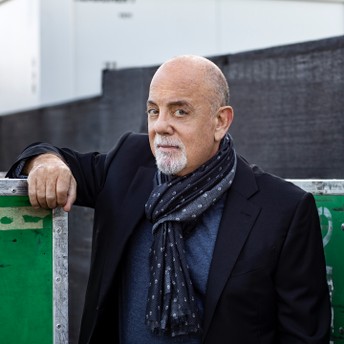
The incident that ultimately accelerated his diagnosis occurred on February 22, 2025, during a performance at the Mohegan Sun Arena in Uncasville, Connecticut. Towards the conclusion of his set, while performing his iconic hit "It’s Still Rock and Roll to Me," Joel executed his signature microphone spin. However, on this occasion, he lost his balance and fell. While he quickly recovered and finished the show, this public tumble was a clear manifestation of the balance problems he had been experiencing and served as a critical red flag that spurred further medical investigation. It was this event, a momentary lapse in an otherwise flawless performance, that inadvertently set him on the path to understanding and treating his underlying condition. Three months later, after undergoing the necessary tests and receiving his diagnosis, he publicly announced the cancellation of his remaining scheduled gigs, explaining the medical reasons behind his decision.
Since his diagnosis and subsequent surgery, Billy Joel has made only a handful of public musical appearances, signaling a cautious return to the spotlight. On January 2, he surprised fans by joining a Billy Joel tribute band, Turnstiles, on stage in Wellington, Florida, where he delighted the audience with renditions of "We Didn’t Start the Fire" and "Big Shot." This impromptu performance offered a glimpse of his enduring passion for live music, albeit in a more controlled and less strenuous setting. Furthermore, in March, he was an honored guest at an all-star tribute fundraiser at Carnegie Hall, featuring an illustrious lineup including Rufus Wainwright, Rob Thomas of Matchbox Twenty, Matt Nathanson, Pat Monahan of Train, Wyclef Jean, and Mary Chapin Carpenter. This event, which raised over $225,000 for music education, celebrated Joel’s immense musical legacy and his continued dedication to supporting the arts, even as he navigates his personal health journey.
Billy Joel’s openness about his struggle with Normal Pressure Hydrocephalus not only sheds light on a condition often misunderstood but also ignites a broader conversation about the physical and neurological impact of a lifelong career in high-intensity performance. His story serves as a poignant reminder that even the most robust and beloved artists are susceptible to health challenges, and that sometimes, the greatest act of rock and roll is knowing when to prioritize one’s well-being. As he continues his recovery, fans around the world hold onto his promise: "I’m still here," eagerly anticipating the next chapter in the remarkable life and career of the Piano Man.
