
 By Rose Miami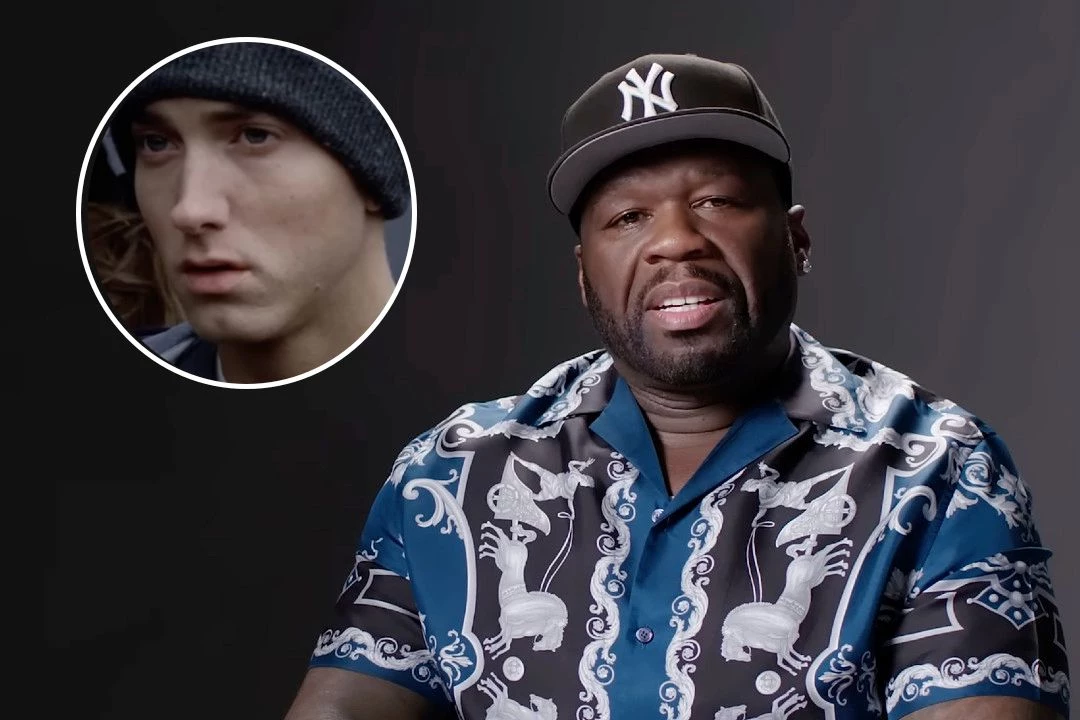
HangupsMusic.com – New York,
Rapper and mogul Curtis "50 Cent" Jackson has offered a compelling perspective on why his close friend and collaborator Eminem, born Marshall Mathers, chose not to pursue a full-fledged acting career after the critical and commercial triumph of the 2002 film 8 Mile. In a recent interview with GQ, 50 Cent drew parallels between his own foray into filmmaking with the 2005 semi-autobiographical drama Get Rich or Die Tryin’ and the creative processes involved in music, ultimately pinpointing a fundamental difference in artistic control as the likely deterrent for the Detroit rapper.
Jackson, who has since carved out a significant niche for himself as a successful television producer with the Power franchise and a host of other projects, elaborated on the distinct nature of filmmaking compared to music production. He explained that for artists accustomed to the absolute creative authority they wield in the recording studio, the collaborative and often less directly controlled environment of Hollywood sets can present a significant challenge.
"I said, ‘I wanna do a movie,’" 50 Cent recounted to GQ, reflecting on his own motivations for stepping onto the silver screen. "Then, when we got into it, it was really no control. So, this is why they couldn’t get [Eminem] back after 8 Mile, because he can control things when we work on music in the studio. It’s not ready until we say it’s ready. We can do it and do it over or, you know, it doesn’t matter. ‘Til it’s perfected."
This assertion highlights a crucial distinction for artists who are accustomed to meticulously shaping every facet of their sonic output. In music, an artist can endlessly tweak a track, refine a lyric, or re-record a vocal until it meets their exacting standards. The studio becomes a sanctuary of absolute creative dominion. However, on a film set, even for a star as prominent as Eminem, the actor is but one component within a vast and intricate production. The director’s vision, the screenwriter’s script, the producer’s mandates, and the collective efforts of a large crew all contribute to the final product.
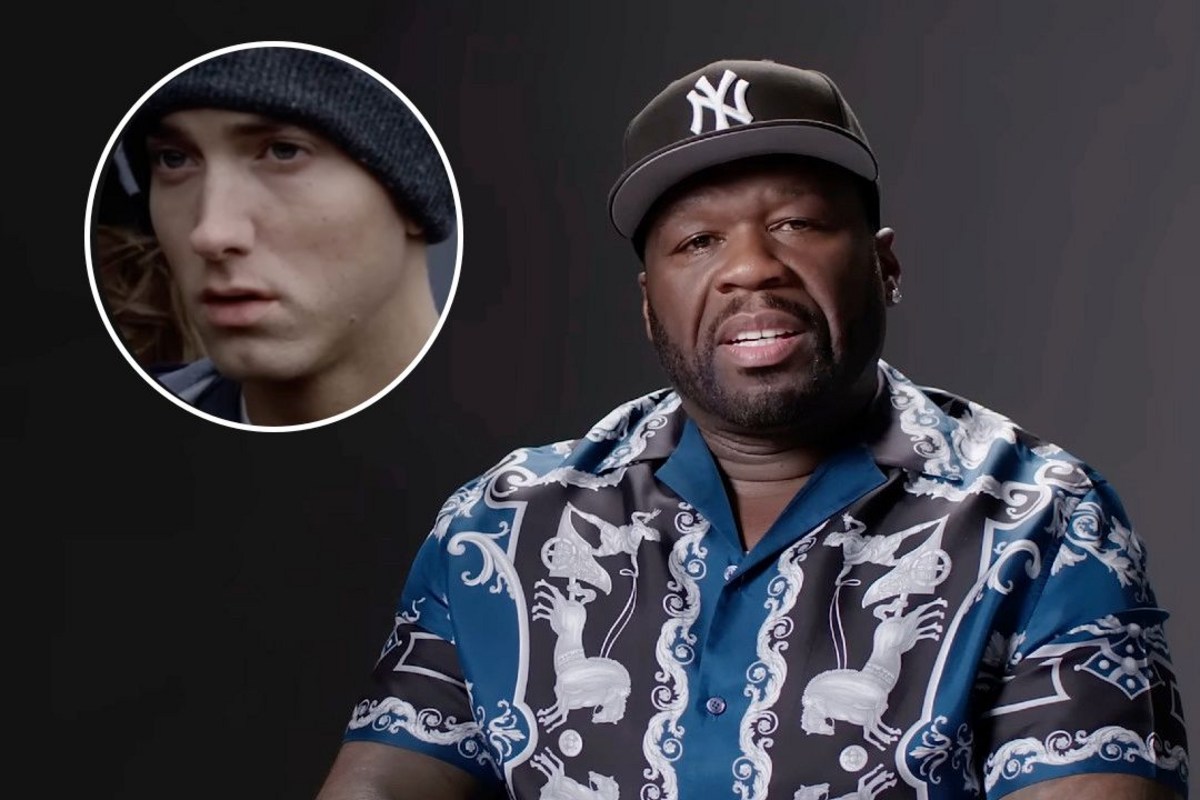
8 Mile, a film loosely based on Eminem’s own rise from poverty and struggle in Detroit to rap stardom, was a landmark moment not just for the rapper but for the genre of music biopics. The film resonated deeply with audiences, grossing over $240 million globally and solidifying Eminem’s status as a cultural icon beyond his musical achievements. The film’s soundtrack, spearheaded by the anthemic "Lose Yourself," earned Eminem an Academy Award for Best Original Song, further cementing the film’s legacy. Despite this undeniable success and the critical acclaim he received for his portrayal of B-Rabbit, Eminem never leveraged 8 Mile as a springboard into a sustained acting career. He has largely confined his on-screen appearances to brief cameos and voice roles, keeping his primary focus firmly rooted in music creation.
50 Cent’s trajectory, in contrast, exemplifies a successful pivot and expansion into different creative arenas. Following his compelling performance in Get Rich or Die Tryin’, he consistently sought out acting opportunities, gradually building his resume and demonstrating a keen aptitude for performance. This led him to transition into television production, where he has achieved phenomenal success, demonstrating a sharp business acumen and a knack for creating engaging narratives that have captured a massive audience. The Power universe, with its intricate storylines and compelling characters, stands as a testament to his evolution from a recording artist to a formidable force in the entertainment industry.
The rapper’s explanation suggests that Eminem’s decision was not a reflection of any dissatisfaction with the experience of making 8 Mile, nor a lack of talent for acting, but rather a deliberate choice to preserve the level of creative autonomy that is intrinsic to his artistic identity. For an artist who has built his career on a foundation of raw honesty, lyrical precision, and an unwavering commitment to his own artistic voice, the compromises inherent in the filmmaking process might have represented an unacceptable surrender of control.
The interview segment where 50 Cent delves into this topic offers a fascinating glimpse into the behind-the-scenes dynamics of the music and film industries, and the personal considerations that shape the career paths of artists at the highest echelon of their respective fields. It underscores the idea that while fame and success can open many doors, the fundamental desire for creative sovereignty can often dictate which of those doors an artist chooses to walk through, and which they leave firmly shut. The enduring legacy of 8 Mile is, in many ways, amplified by Eminem’s decision to remain a music titan, a choice that 50 Cent’s candid reflection helps to illuminate with clarity and insight.
