
 By admin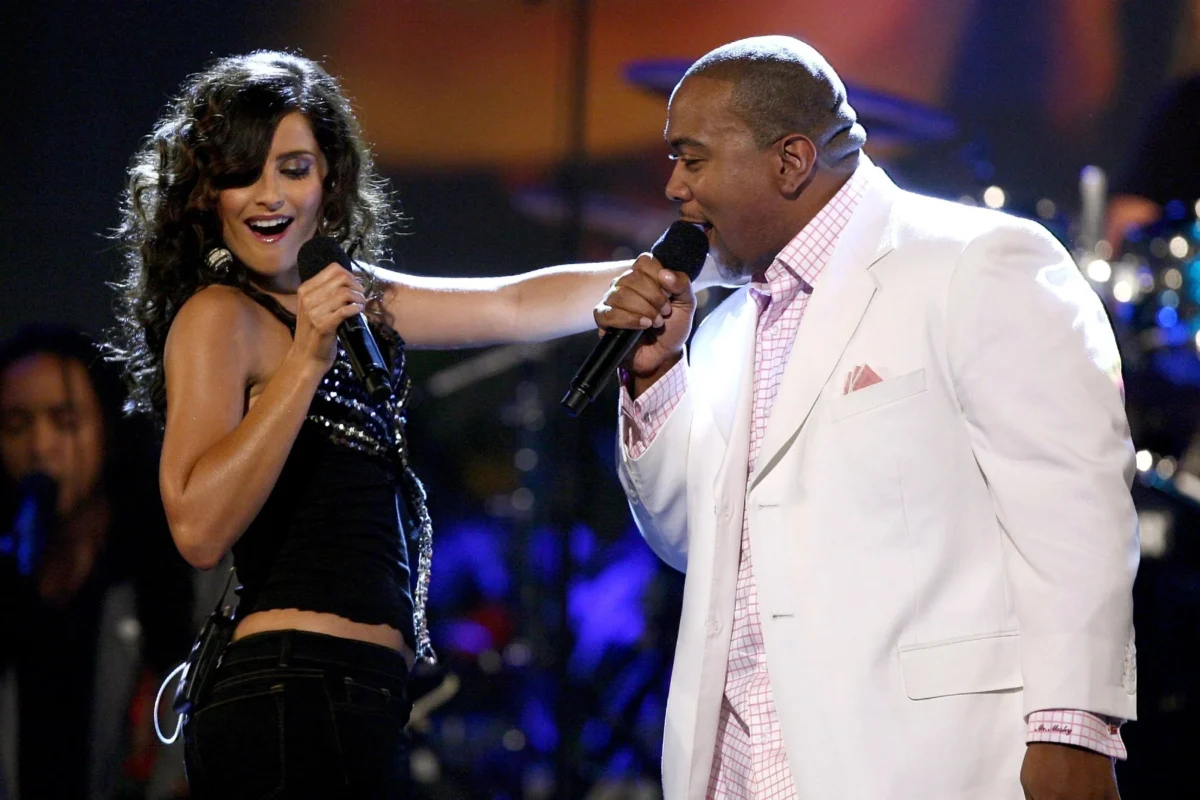
HangupsMusic.com – The year 2006 delivered a seismic shift in pop music, a vibrant collision of hip-hop swagger, electronic sheen, and undeniable melodies that would come to define the mid-aughts soundscape. Amidst this evolving sonic tapestry, an unexpected figure emerged to claim dominion over the charts: Nelly Furtado. For an artist who seemed to have faded from the mainstream spotlight, her triumphant return with the album Loose wasn’t just a comeback; it was a complete metamorphosis, a masterclass in reinvention that reshaped her career and left an indelible mark on the era. This remarkable trajectory, from perceived dormancy to global superstardom, remains a fascinating case study in pop music history, a story ripe for a deeper dive into its unprecedented circumstances and lasting impact.
Before her 2006 resurgence, Nelly Furtado was known primarily for her quirky, genre-bending debut, Whoa, Nelly!, released in 2000. That album introduced the world to her unique blend of folk, R&B, and pop, earning her critical acclaim and commercial success with hits like "I’m Like a Bird" and "Turn Off the Light." Her distinct vocal delivery and introspective lyrics carved out a niche for the Canadian singer-songwriter, culminating in a Grammy Award for Best Female Pop Vocal Performance. However, her follow-up effort, 2003’s Folklore, while showcasing her continued artistic growth and exploring themes of her Portuguese heritage, struggled to connect with a broader mainstream audience. Despite positive reviews from some critics and a dedicated fan base, Folklore yielded no significant chart hits, leading many to believe that Furtado’s moment as a ubiquitous pop presence had passed. The landscape of pop music was shifting, and Furtado’s introspective, somewhat bohemian style seemed out of sync with the burgeoning hip-hop and R&B-infused sounds dominating the airwaves.
The stage was set for an unlikely partnership that would shatter expectations. Enter Timbaland, the visionary hip-hop producer responsible for crafting iconic soundscapes for artists like Missy Elliott, Aaliyah, and Justin Timberlake. While Timbaland remained a respected force, even he was navigating a period where his signature futuristic beats hadn’t commanded the same level of pervasive chart dominance they once had. The collaboration between Furtado, an artist perceived to be past her commercial prime, and Timbaland, a producer seeking a fresh avenue for his innovative sound, was, on paper, a gamble. In practice, it became a supernova.

The genesis of Loose was a deliberate and daring pivot. Furtado, motivated by a desire for artistic exploration and a more direct, sensual expression, sought out Timbaland to push her boundaries. She immersed herself in the studio, embracing a raw, experimental approach that allowed her to shed previous musical skins. The result was an album that was bolder, more confident, and undeniably sexier than anything she had released before. Timbaland’s production provided the perfect sonic canvas, infusing her sound with sharp, percussive beats, intricate synth layers, and a heavy dose of contemporary R&B and hip-hop sensibilities. This synergy was immediate and profound, allowing both artists to tap into a new creative vein that resonated powerfully with the cultural zeitgeist.
The album’s lead single, "Maneater," signaled this radical transformation. Gone were the acoustic guitars and ethereal vocals; in their place was an aggressive, pulsating dance-pop anthem that demanded attention. Its thumping bassline and Furtado’s assertive delivery immediately established her as a formidable, reinvented force. The urban legend that "Maneater" famously "exploded the first speaker it was played on" speaks to the track’s sheer sonic impact and its immediate, visceral power – a testament to its audacious production and Furtado’s newfound vocal swagger.
Yet, it was the subsequent singles that cemented Loose‘s omnipresence. "Promiscuous," featuring Timbaland himself, became an inescapable summer anthem. The playful, flirtatious back-and-forth lyrics between Furtado and Timbaland, delivered over a slinky, irresistible beat, captured a specific kind of mid-2000s urban cool. The lyrical style, often described as "goofy" or free-associative, was precisely its charm. It embraced a casual, conversational tone that felt authentic and relatable, turning everyday observations and pop culture references – like the infamous "Dirk Nowitzki versus Steve Nash" basketball player comparison – into memorable hooks. The choice of Nash, then a two-time NBA MVP and Canadian icon, over the German Nowitzki, added a subtle, relatable touch for North American audiences, grounding the pop fantasy in tangible, contemporary culture.
Then came "Say It Right," a haunting, atmospheric track that showcased a different facet of Furtado’s evolved sound. Its melancholic melody, coupled with Furtado’s yearning vocals and Timbaland’s signature vocal effects and intricate percussion, created a moodier, more introspective yet equally impactful experience. The lyrics, often perceived as "free-associative," actually leaned into emotional ambiguity, allowing listeners to project their own experiences onto the track’s themes of unspoken desires and emotional disconnect. It became her third consecutive global smash, demonstrating the album’s versatility and Furtado’s ability to command diverse sonic landscapes.
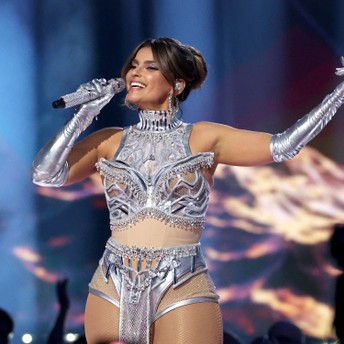
The sheer scale of Furtado’s success in 2006 was unprecedented for an artist in her position. Loose spawned three number-one hits on the Billboard Hot 100 within an eight-month span – a feat rarely achieved by even the biggest pop stars. She transcended her previous identity, becoming a global pop phenomenon who effortlessly blended genres and cultures. The album was not just a commercial triumph; it was a cultural touchstone, a "00s nostalgia bomb" that perfectly encapsulated the era’s sound and attitude.
Beyond the music, Furtado’s heightened profile also brought her into the orbit of other pop titans. Her supposed "feud" with Fergie, another pop star who was enjoying massive success with her debut solo album The Dutchess around the same time, became a subject of tabloid speculation. While likely exaggerated by media narratives, these perceived rivalries often served to amplify interest in both artists, creating a competitive, dynamic landscape that further fueled the pop culture machine of the mid-2000s.
Yet, the question remains: how did Nelly Furtado go from scoring three No. 1s in eight months to rarely scraping the Hot 100 again? The answer is multifaceted. The phenomenon of Loose was a perfect storm – the right artist, the right producer, the right sound, at the right time. Such a confluence is incredibly difficult to replicate. After Loose, Furtado continued to release music, including the Spanish-language album Mi Plan (2009), which earned her a Latin Grammy, and subsequent English albums like The Spirit Indestructible (2012) and The Ride (2017). While these albums were artistically driven and well-received by her dedicated fanbase, they didn’t chase the same mainstream pop sound or achieve the same level of commercial saturation as Loose. The music industry itself was also undergoing significant transformations, with the rise of digital streaming and shifting consumption habits making sustained chart dominance an increasingly challenging endeavor for many artists. Furtado, perhaps content with her monumental achievement and the freedom it afforded her, chose a path of artistic exploration rather than attempting to recreate a lightning-in-a-bottle moment.
The story of Nelly Furtado’s 2006 dominance is a powerful reminder of pop music’s capacity for reinvention and the magic that can happen when artists courageously embrace change. Her partnership with Timbaland not only revitalized both their careers but also gifted the world an album that remains a vibrant, essential artifact of its time. For those seeking to revisit this extraordinary period, or to understand the nuanced factors behind such a remarkable comeback, the extended Vintage Pop Stardom episode of the Greatest Pop Stars podcast offers an insightful deep dive. Hosted by Andrew Unterberger and featuring YouTube star and Song vs. Song podcast co-host Todd in the Shadows, the discussion meticulously unpacks the unique circumstances, creative motivations, and lasting legacy of Nelly Furtado’s unforgettable year. It’s a testament to an artist who dared to go Loose and, in doing so, found her most electrifying self.
