
 By Azzam Bilal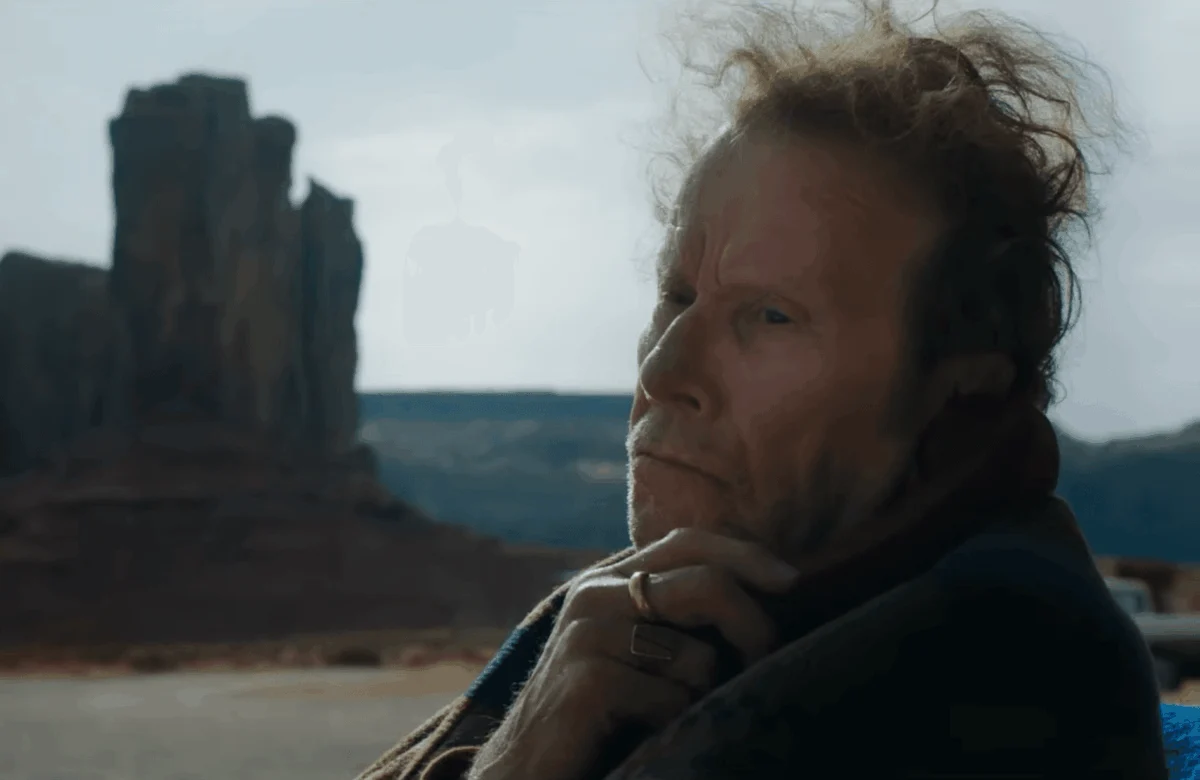
HangupsMusic.com – LOS ANGELES, The gravel-voiced poet of the American underbelly, Tom Waits, has long occupied a unique space in the cultural zeitgeist. He is a figure who exists simultaneously as a legendary singer-songwriter and a weathered, captivating character actor. For those who have been waiting with bated breath for a follow-up to his last full-length studio effort, the silence has been long—fifteen years, to be precise. However, while the recording booth may have remained largely quiet, the cinematic stage has continued to beckon. In a move that bridges the gap between high-stakes political drama and the eccentricities of independent film, Waits is set to return to the silver screen in Martin McDonagh’s highly anticipated new feature, Wild Horse Nine.
The announcement of Waits’ involvement in the project marks a significant moment for both cinephiles and music historians. Starring alongside a powerhouse ensemble that includes John Malkovich, Sam Rockwell, Steve Buscemi, and Parker Posey, Waits finds himself in the company of actors who, like him, thrive in the gray areas of human morality and quirkiness. The film, which recently unveiled its first trailer, is a period piece set against the volatile backdrop of the 1970s. It centers on a pair of CIA operatives, portrayed by Malkovich and Rockwell, who are embroiled in a high-stakes plot to destabilize the Chilean government. As the mission evolves, the narrative shifts toward Easter Island, transforming from a political thriller into a psychological exploration of trust, betrayal, and the fragile bonds of loyalty.
In Wild Horse Nine, Waits takes on the role of Malkovich’s brother. It is a casting choice that feels instinctively correct; both performers possess an intensity and a peculiar gravitas that suggests a shared, albeit fictional, lineage. Director Martin McDonagh, known for his razor-sharp dialogue and dark humor in films like In Bruges and The Banshees of Inisherin, expressed his admiration for Waits’ screen presence in a recent discussion with Vanity Fair. McDonagh noted that Waits possesses an "iconic and mesmerizing" quality that immediately commands the audience’s attention the moment he appears. This magnetism is something Waits has honed over decades, often playing characters that feel as though they have stepped directly out of the lyrics of his own songs—men with storied pasts, rough edges, and a certain ragged dignity.
This collaboration marks the second time McDonagh has tapped Waits for a role, following their successful partnership in the 2012 cult hit Seven Psychopaths. In that film, Waits delivered a standout performance as Zachariah Rigby, a man carrying a rabbit and a dark history of vigilante justice. The reunion suggests a creative kinship between the director and the artist, both of whom share an affinity for the macabre, the absurd, and the deeply human. As Wild Horse Nine prepares to hit theaters on November 6, the buzz surrounding Waits’ performance suggests it will be another indelible entry in his filmography.
Waits’ transition into a more consistent acting career over the last decade and a half is not merely a side project; it has become his primary medium of expression. Since the release of his last album, he has curated a list of credits that reads like a "who’s who" of auteur cinema. He appeared as a grizzled gold prospector in the Coen brothers’ Netflix anthology The Ballad of Buster Scruggs, a role that relied heavily on his physical expressiveness and unmistakable voice. He also shared the screen with Robert Redford in David Lowery’s elegiac The Old Man and the Gun and made a memorable, high-energy appearance in Paul Thomas Anderson’s 1970s-set coming-of-age story, Licorice Pizza. Most recently, he continued his long-standing creative "bromance" with director Jim Jarmusch, appearing in the family-focused anthology Father Mother Sister Brother.
While his acting career flourishes, the question of new music remains a constant refrain among his fanbase. It has been 15 years since Bad as Me (2011) was released to critical acclaim. That album, which coincided with his induction into the Rock & Roll Hall of Fame, was seen by many as a late-career masterpiece, blending his avant-garde sensibilities with a raw, bluesy energy. Since then, his musical output has been relegated to sporadic, though significant, contributions. He lent his voice to a haunting cover for a Blind Willie Johnson tribute album and collaborated with longtime guitarist Marc Ribot on the 2018 protest song "Bella Ciao."
However, a glimmer of hope for new studio material has finally emerged. Waits was recently confirmed as a contributor to a forthcoming tribute album dedicated to the late Shane MacGowan, the legendary frontman of The Pogues. The track will mark Waits’ first new studio recording in eight years, a milestone that has sent ripples of excitement through the music community. Given the spiritual and stylistic similarities between Waits and MacGowan—both masters of the "beautifully broken" song—the tribute feels like a fitting way for Waits to break his recording hiatus.
The long gap in his discography is often attributed to his immersion in the world of film, but it also reflects the deliberate pace at which Waits has always operated. He is an artist who resists the modern industry’s demand for constant "content," choosing instead to surface only when a project truly resonates with his sensibilities. Whether he is portraying a CIA-adjacent relative on Easter Island or recording a tribute to a fallen folk-punk hero, Waits remains an uncompromising figure.
The narrative of Wild Horse Nine itself seems to mirror the themes often found in Waits’ music: the shadows of history, the secrets of men in dusty rooms, and the long reaches of political intrigue. The 1970s setting allows for a gritty, celluloid aesthetic that perfectly complements Waits’ weathered features. As audiences prepare for the film’s November release, there is a sense that we are witnessing a master of his craft in a period of late-stage reinvention. He is no longer just the man behind the piano in a smoky bar; he is a vital component of modern independent cinema.
For those looking to understand the depth of his journey, looking back at his history is essential. His creative partnership with Jim Jarmusch, spanning from Down by Law to The Dead Don’t Die, established a blueprint for the "musician-as-actor" that few have successfully emulated. Waits doesn’t just play a role; he inhabits a world. In the interim between his legendary musical tours and his current status as a sought-after character actor, he has maintained a level of mystique that is rare in the age of social media.
As we look toward the fall, the dual arrival of a major motion picture and a new studio recording (albeit a cover) suggests that the "Waitsian" universe is expanding once again. Wild Horse Nine is poised to be one of the season’s most talked-about films, not just for its prestigious cast and director, but for the presence of a man who has become a symbol of artistic integrity. Whether he is acting or singing, Tom Waits continues to prove that he is one of the few performers whose mere presence can turn a scene—or a song—into something iconic. The fifteen-year wait for an album may continue, but in the meantime, the cinema provides a rich, visual discography of its own. On November 6, when the house lights dim and that unmistakable silhouette appears on screen, audiences will once again be reminded why Tom Waits remains an indispensable part of the American artistic landscape.
