
 By admin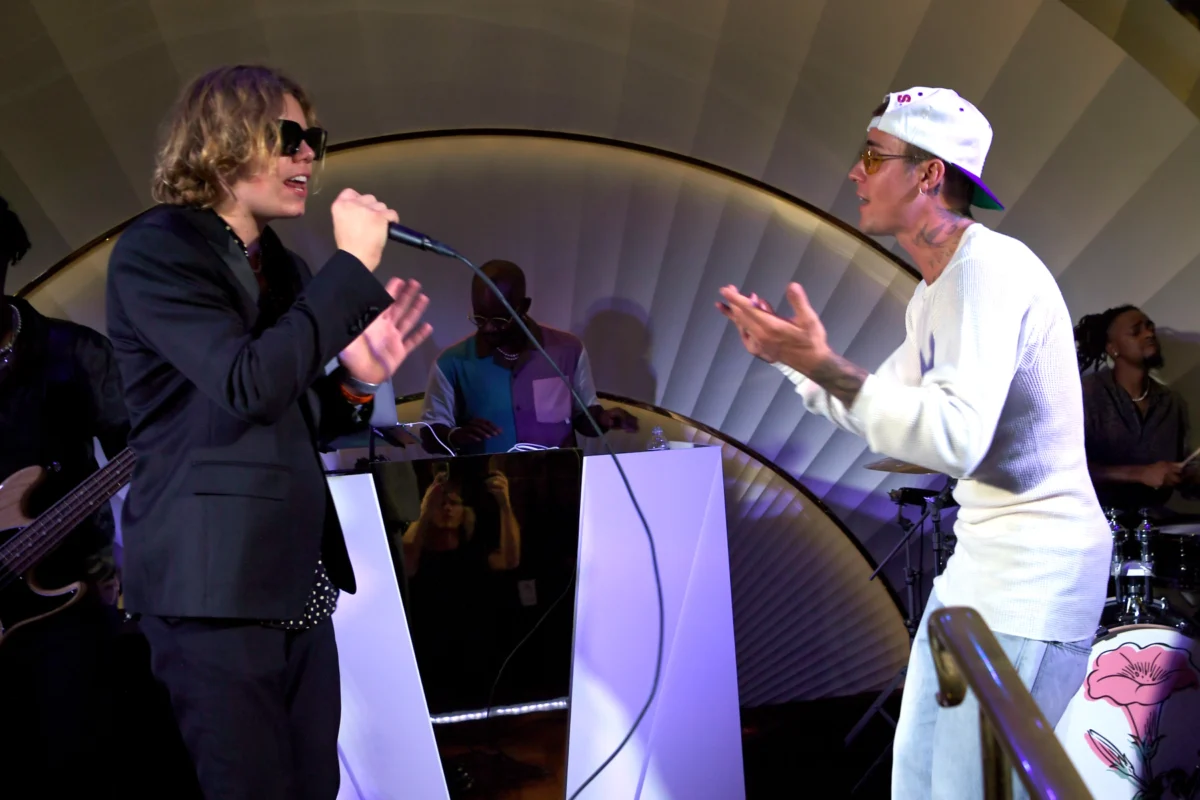
HangupsMusic.com – Indio, California – The desert winds of Coachella once again carried the echoes of pop stardom this past Saturday, as Justin Bieber took to the stage for a highly anticipated headlining performance. Following weeks of fervent speculation fueled by his own online teasers, Bieber delivered a memorable set that underscored not only his enduring appeal but also a profound artistic evolution. The evening was particularly highlighted by guest appearances from his protégé, The Kid Laroi, and the critically acclaimed Dijon, signaling a new chapter in Bieber’s storied career.
Bieber’s path to this significant festival moment has been carefully charted. Back in October, he ignited fan excitement during a Twitch livestream, offering glimpses into his preparations and mindset. "I’m putting on a hell of a show for you guys for Coachella, getting ready, and getting inspired," he promised, setting a high bar for what was to come. His presence at Coachella, one of the world’s premier music festivals, marked a powerful return to the global stage, reinforcing his status as a formidable force in contemporary music. The performance itself was a testament to his dedication, featuring a dynamic blend of his expansive catalog and collaborative energy.
Among the night’s most talked-about moments was the appearance of The Kid Laroi, who joined Bieber to perform their chart-topping hit, "Stay." The chemistry between the two artists was palpable, a testament to a relationship built on mutual respect and genuine support. Laroi himself recently offered an insightful perspective on their bond during a conversation with Rolling Stone earlier this year. He described Bieber as "just a really special human being," emphasizing the absence of ego in Bieber’s mentorship. "He has no ego when it comes to supporting me," Laroi stated, elaborating on the rarity of such generosity within the competitive music landscape. "Not everyone’s like him. He’s very giving and he wants to offer everything that he has to help me." This sentiment speaks volumes about Bieber’s character and his commitment to fostering new talent, particularly one with whom he shares such a significant musical connection.
The collaborative spirit didn’t end there, as Bieber later welcomed Dijon to the stage, further diversifying the sonic landscape of his performance. These strategic guest spots not only added layers of surprise and excitement for the audience but also showcased Bieber’s willingness to share his platform with artists he admires, highlighting the collaborative nature that has increasingly defined his recent work.
This Coachella spectacle was, in many ways, the culmination of a deliberate re-engagement with live performance. Just over a week prior to the festival, Bieber had offered an exclusive preview of his new material and renewed stage presence at the intimate Roxy Theatre in Los Angeles. This invite-only, no-phones event was his first U.S. concert in four years, a significant hiatus that underscored the importance of this return. The setting allowed for an unadulterated focus on the music, a stark contrast to the often-distracted environment of modern concerts. At the Roxy, Bieber unveiled tracks from his recent critically acclaimed double-album release, Swag and Swag II, giving attendees a raw, unfiltered taste of his latest artistic direction. The choice of such a storied venue, known for hosting legendary acts in a close-up setting, further emphasized the personal and artistic nature of his comeback.
The Swag and Swag II albums have been lauded as a pivotal moment in Bieber’s career, marking a profound shift in his creative control and musical expression. Rolling Stone‘s review of the record captured this sentiment, observing, "Swag definitely makes it clear that Bieber’s got issues – his issues have issues. But he channels it all into some of the most genuinely creative and wide-ranging music of his life. ‘You can’t spread your wings in a bird cage,’ as he sings in ‘First Place.’ But all over Swag, he’s taking flight." This critical assessment highlights the albums as a raw, introspective journey, where Bieber confronts his personal struggles and transforms them into potent artistic statements. The metaphor of "taking flight" resonates deeply with the narrative surrounding his recent creative renaissance.
A source close to the musician shed further light on this transformative period, revealing to Rolling Stone that Swag represents a newfound creative autonomy for Bieber. "Having full creative freedom, sadly, is something new for him as an artist," the source disclosed, painting a picture of an artist previously constrained by external pressures. This liberation, they explained, allowed for "the purest form" of Bieber to emerge, unburdened by the need to craft "the perfect single, or perfect album." This freedom, the source asserted, resulted in "the best body of music he’s ever made." This insider perspective underscores the profound impact of artistic control on an artist’s output, particularly for someone who has navigated the industry spotlight since childhood.
The musical tapestry of Swag and Swag II is rich and diverse, featuring an impressive array of collaborators who contributed to its unique sound. Artists such as Mk.gee, Dijon, Cash Cobain, Gunna, and Sexyy Red are credited on the albums, signaling Bieber’s willingness to experiment with various genres and sonic textures. This eclectic mix of collaborators speaks to the "wide-ranging music" praised by critics, showcasing Bieber’s evolution beyond conventional pop boundaries. By inviting such diverse voices into his creative process, he has crafted a body of work that is both deeply personal and broadly appealing, pushing the boundaries of what listeners might expect from him.
The journey back to the main stage, particularly one as grand as Coachella, represents more than just a series of performances for Justin Bieber. It symbolizes a reclamation of his artistic narrative, a deliberate move towards authenticity and creative independence. His recent works, exemplified by the Swag albums, resonate with a maturity and depth that speaks to years of navigating immense public scrutiny and personal challenges. The support he extends to artists like The Kid Laroi, coupled with his willingness to explore new sounds and collaborators, paints a picture of an artist who is not only at peace with his past but also actively shaping a vibrant and forward-looking future. His Coachella headlining set was not merely a show; it was a powerful declaration of his continued relevance, artistic growth, and the enduring power of his music.
