
 By Rose Miami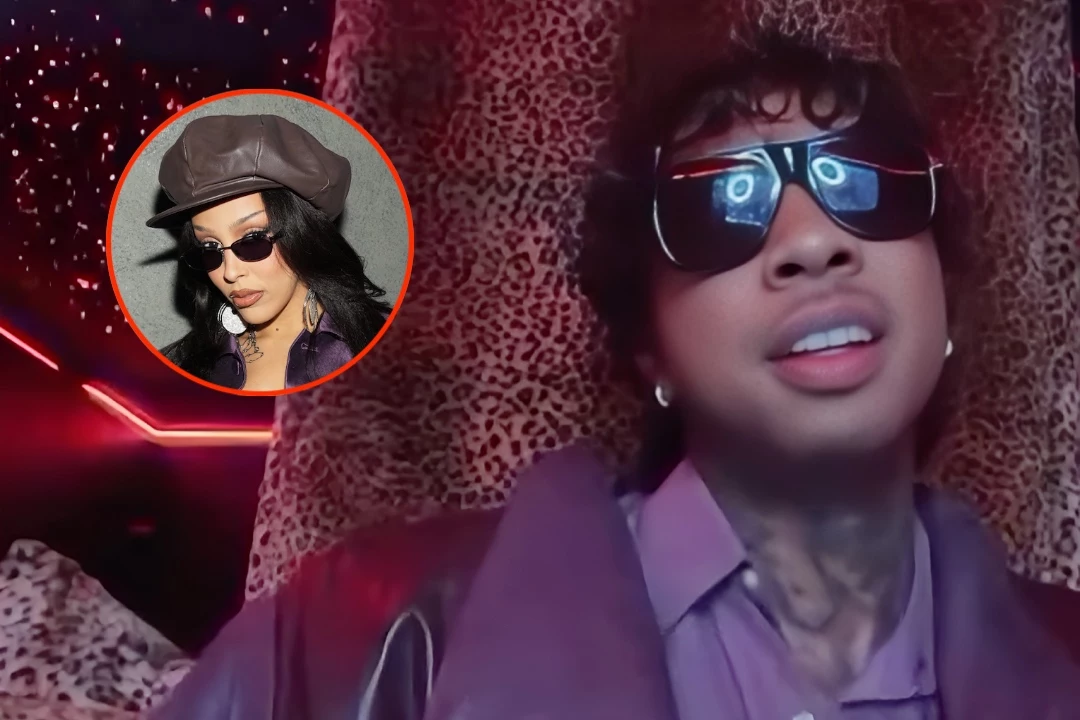
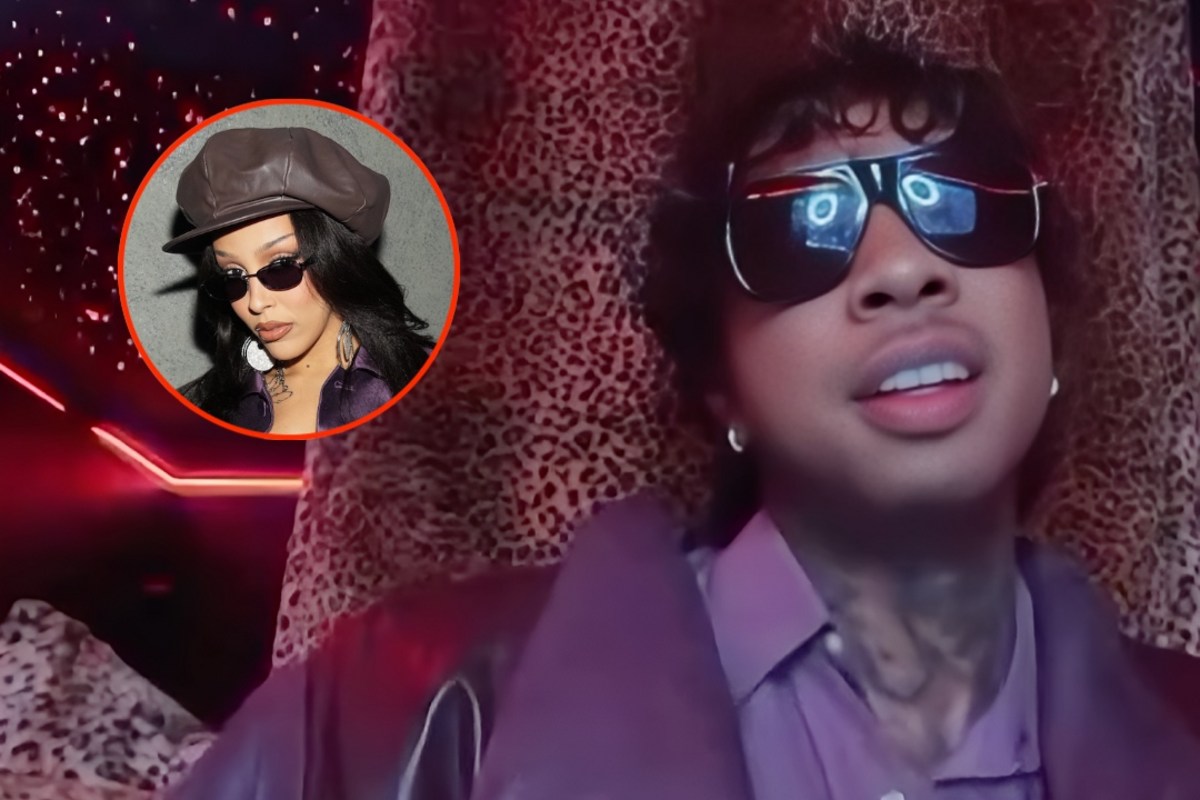
HangupsMusic.com – Los Angeles, CA – Rapper Tyga is navigating a new wave of scrutiny surrounding his latest project, $tarface, an album he has acknowledged incorporating Artificial Intelligence into its production. The artist, also known as T-Raww, recently addressed the growing controversy in an interview with TMZ, clarifying his stance on the AI-assisted elements of the record, which channels a distinct 1980s aesthetic.
Tyga emphasized that while AI played a role in crafting the sonic landscape of $tarface, the core of the album remains firmly rooted in his artistic input. "What I said was, I used AI-assisted things in the production," Tyga stated to the media outlet. "All the vocals are me. I wrote all the songs. When it comes to the 80s synths and some of the guitar solos, yes, I used AI for that." This distinction highlights his perspective that AI served as a tool to augment his creative vision, rather than a complete replacement for his own performance and songwriting.
The conversation took a more pointed turn when Tyga addressed recent comments made by fellow artist Doja Cat, who had publicly criticized him, reportedly referring to him as a "penis" for his use of AI in music. Tyga responded with a pointed remark of his own, stating, "I love Doja, but she made a demonic album." This jab suggests a perceived hypocrisy or a differing artistic philosophy between the two artists, hinting that while he acknowledges the technological advancements, he also believes in the inherent artistic merit of his work, regardless of the tools employed.
In a previous interview with Vibe magazine, Tyga elaborated on his decision to utilize AI, likening the process to a magician revealing their secrets. He expressed a desire to let the music speak for itself, believing that listeners should connect with the final product without necessarily needing a detailed explanation of its creation. "I’ve never spoken on this with anybody because I always felt like it’s similar to a magician explaining how he does his tricks," Tyga explained to Vibe. "Like why are people overexplaining how they make sh*t that’s good? If you like it, you like it; if you don’t, you don’t. I don’t care. It’s supposed to give you an experience and a feeling."
He continued to articulate his forward-thinking approach to music production, framing the integration of AI as a natural progression in the evolution of sound. "But we definitely used AI as a [tool]," Tyga confirmed. "And I know people are going to be mad about me saying this, but it’s where technology is going. It’s no different than when Auto-Tune came out. Some people were opposed to it, but real artists took it and used it." This comparison to Auto-Tune, a technology that was once controversial but is now a ubiquitous element in modern music, underscores Tyga’s belief that AI is simply the next frontier for artistic experimentation and innovation.
The rapper’s defense of his AI-assisted methods comes at a time when the music industry is grappling with the ethical and creative implications of artificial intelligence. As AI tools become more sophisticated and accessible, artists are increasingly exploring their potential to generate new sounds, melodies, and even lyrical content. While some view this as an exciting development that can push creative boundaries, others express concerns about originality, authorship, and the potential devaluation of human artistry.
Tyga’s $tarface album, with its deliberate 80s synth-pop and new wave influences, was designed to evoke a specific nostalgic atmosphere. The use of AI in this context can be seen as an attempt to meticulously recreate or reimagine the sonic textures of that era, potentially achieving a level of authenticity or stylistic precision that might be challenging through traditional production methods alone. His assertion that the vocals and lyrics are entirely his own serves to reassure fans and critics that his personal voice and songwriting remain central to the project.
The reaction from Doja Cat, however, indicates that the conversation around AI in music is far from settled. Her strong, albeit colorful, criticism suggests a segment of the artistic community that remains skeptical, if not outright opposed, to the widespread adoption of AI in creative processes. The term "demonic album," while hyperbolic, could be interpreted as a reflection of a belief that AI-generated music lacks soul or a certain intrinsic human quality.
Tyga’s willingness to engage with these criticisms, while also issuing a counterpoint, positions him as a proponent of technological integration in art. His argument that AI is merely another tool, akin to synthesizers or digital audio workstations, suggests a pragmatic view of innovation. The music industry has a long history of adapting to and incorporating new technologies, from the advent of electronic instruments to the digital revolution. Whether AI will follow a similar path of widespread acceptance and artistic integration remains to be seen, but artists like Tyga are clearly at the forefront of exploring its possibilities.
The controversy surrounding $tarface serves as a microcosm of the larger debate about AI’s role in creative fields. As technology continues to advance, the lines between human and artificial creation will likely become increasingly blurred, prompting ongoing discussions about authenticity, artistic intent, and the future of music itself. Tyga’s unapologetic embrace of AI, coupled with his firm assertion of his own creative agency, offers a glimpse into how artists might navigate this evolving landscape, pushing the boundaries of what is possible while defending their artistic integrity. The public’s reception to $tarface, and Tyga’s approach to AI, will undoubtedly contribute to the ongoing dialogue within the music world.
