
 By admin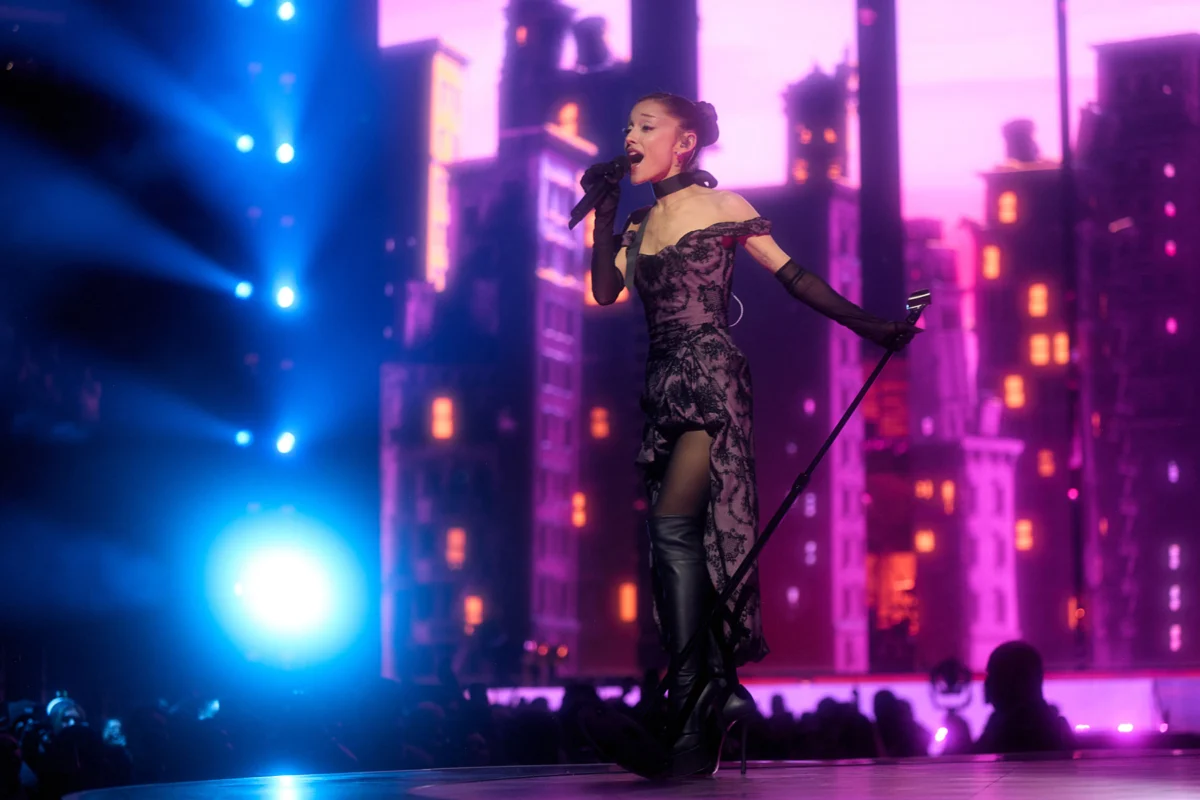
HangupsMusic.com – Chicago, The United Center pulsed with an electric mix of anticipation and underlying concern on August 4, 2026, as Ariana Grande brought her "Eternal Sunshine Tour" to the Windy City for the first of three scheduled nights. This particular stop was imbued with an unprecedented weight, arriving just hours after news broke that the global pop phenomenon would be stepping away from the public eye post-tour. The announcement, confirming a hiatus from public-facing work and appearances, set a poignant backdrop for a performance that promised to be more than just a concert—it was poised to be a real-time reflection of an artist navigating intense personal and professional transitions under the unblinking gaze of the world.
The "Eternal Sunshine Tour," which had commenced its journey nearly two months prior, had already established itself as a dynamic, evolving narrative. Far from a static spectacle, it had mirrored Grande’s life in real-time, adapting to her shifting personal landscape and burgeoning creative output. Early in its run, fans had noted a significant alteration to the lyrics of her reflective anthem, "Thank U, Next." The line "wrote some songs about Ricky/ now I listen and laugh" had subtly transformed into "wrote some songs about Ricky/ we always find our way back." This seemingly minor tweak sent ripples across social media, sparking widespread speculation about a rekindled romance and showcasing Grande’s willingness to integrate her evolving personal story directly into her live show, a move that resonated deeply with her devoted fanbase who felt a closer connection to her journey.
Adding another layer to the tour’s organic progression was the surprise release of her eighth studio album, petal. Dropping amidst the tour’s demanding schedule, petal introduced a fresh sonic palette to Grande’s repertoire, immediately necessitating an update to her meticulously crafted setlist. This mid-tour album release was an unconventional yet bold move, signaling an artist compelled to share new creations even while immersed in a massive global undertaking. The integration of tracks from petal promised to offer attendees a unique, unfolding experience, demonstrating Grande’s commitment to her artistry and her audience, even as her personal life commanded increasing attention.
However, the most recent development—her impending break from public life—cast the longest shadow. A representative for Grande had confirmed her decision to take a "much-deserved break from public-facing work and appearances," explicitly citing the "endless, ongoing public scrutiny" she had faced. This decision also entailed a significant professional sacrifice: the recasting of her role in the West End revival of Stephen Sondheim’s Sunday in the Park with George. Her involvement in the prestigious theatrical production had been a testament to her versatility and a long-held artistic ambition. Relinquishing it underscored the profound impact of the relentless public pressure, revealing a deep need for respite beyond the glittering stage lights.
In an era where celebrity lives are dissected with unprecedented fervor across digital platforms, Grande’s journey on the "Eternal Sunshine Tour" had become an unintentional, yet profoundly public, diary. Social media, a double-edged sword for public figures, had been ablaze with commentary on every facet of her existence – from her professional choices to her physical appearance. This constant barrage of opinions, often uninvited and harsh, had evidently reached a critical point. What made Grande’s response in Chicago so compelling was her choice not to retreat silently but to address the maelstrom head-on, offering a rare glimpse into the internal world of a superstar under siege.
The gravity of the situation was palpable as Grande transitioned into Act II of her set. Breaking from the usual seamless flow, she paused, addressing the packed arena with a question that felt both intimate and universal: "Is it okay if I talk to you guys for a little bit?" The roar of affirmation from the crowd was instantaneous, a collective invitation for vulnerability. Her voice, usually soaring through intricate melodies, took on a softer, more conversational tone. "First of all," she began, her words tinged with emotion, "I just want to say I love you so much and I’m so happy to be here with you. There’s nowhere else I’d rather be." It was a heartfelt declaration, underscoring her deep appreciation for her fans and the sanctuary the stage often provided.
What followed was a moment of profound candor rarely witnessed from an artist of her stature. Instead of an off-the-cuff remark, Grande revealed she had prepared her thoughts, having typed them down in response to the torrent of headlines and comments that had culminated in the preceding 24 hours. This deliberate act of articulation, rather than impulsive reaction, spoke volumes. It was a testament to her desire for clarity and her intention to reclaim her narrative amidst the noise. While the specifics of her typed reflections were not fully disclosed to the public, the sheer act of sharing them, raw and unfiltered, conveyed a powerful message: she was taking control of her truth. The arena hung on her every word, a shared silence descending as the pop star opened a window into the immense pressures she faced.
The climax of this extraordinary interlude arrived with an artistic flourish. As she concluded her spoken remarks, Grande masterfully integrated her personal statement into the fabric of her performance. Utilizing a pedal loop, a common tool for musicians to layer sounds, she began to repeat her own voice, layering the defiant phrase: "I don’t care what people say is true." This echo chamber, created by her own voice, reverberated through the United Center, transforming a personal declaration into a communal mantra. It was a potent symbolic gesture, signaling not indifference, but a profound commitment to self-determination. In that moment, the stage became a platform for self-assertion, a space where the artist could filter out external judgment and anchor herself in her own reality. The sentiment resonated deeply, suggesting that while the public might speculate and scrutinize, the ultimate arbiter of truth in her life remained herself.
The Chicago performance also offered the eagerly awaited live debut of several tracks from petal. The album, released just days before, injected a fresh energy into the tour’s already impressive spectacle. Fans, many of whom had already immersed themselves in the new material, reacted with enthusiasm as Grande seamlessly wove the new songs into her established setlist. These tracks, rumored to delve deeper into themes of resilience, healing, and self-discovery, resonated particularly strongly in the context of her recent announcement. They offered a musical counterpart to her spoken words, providing further insight into her current emotional landscape and artistic direction. The transition between the familiar hits and the newer, more introspective pieces was handled with Grande’s characteristic vocal precision and stage presence, creating a cohesive and emotionally resonant experience.
Ultimately, Ariana Grande’s first Chicago show on the "Eternal Sunshine Tour" transcended a typical concert. It became a powerful testament to an artist’s ability to transform vulnerability into strength, and public scrutiny into a moment of candid connection. The tour, initially conceived as a celebration of her latest work, had organically evolved into an intimate, unfolding chronicle of her life. From the subtle lyric changes to the dramatic unveiling of a new album mid-run, and finally, to her courageous speech acknowledging the weight of public perception, Grande demonstrated an unparalleled transparency. As she prepares for a well-deserved break, this tour, especially its Chicago chapter, will undoubtedly be remembered as a pivotal moment—a period where an artist, through her music and her words, firmly asserted her right to define her own truth and to find her own "eternal sunshine" away from the glare of the spotlight.
