
 By admin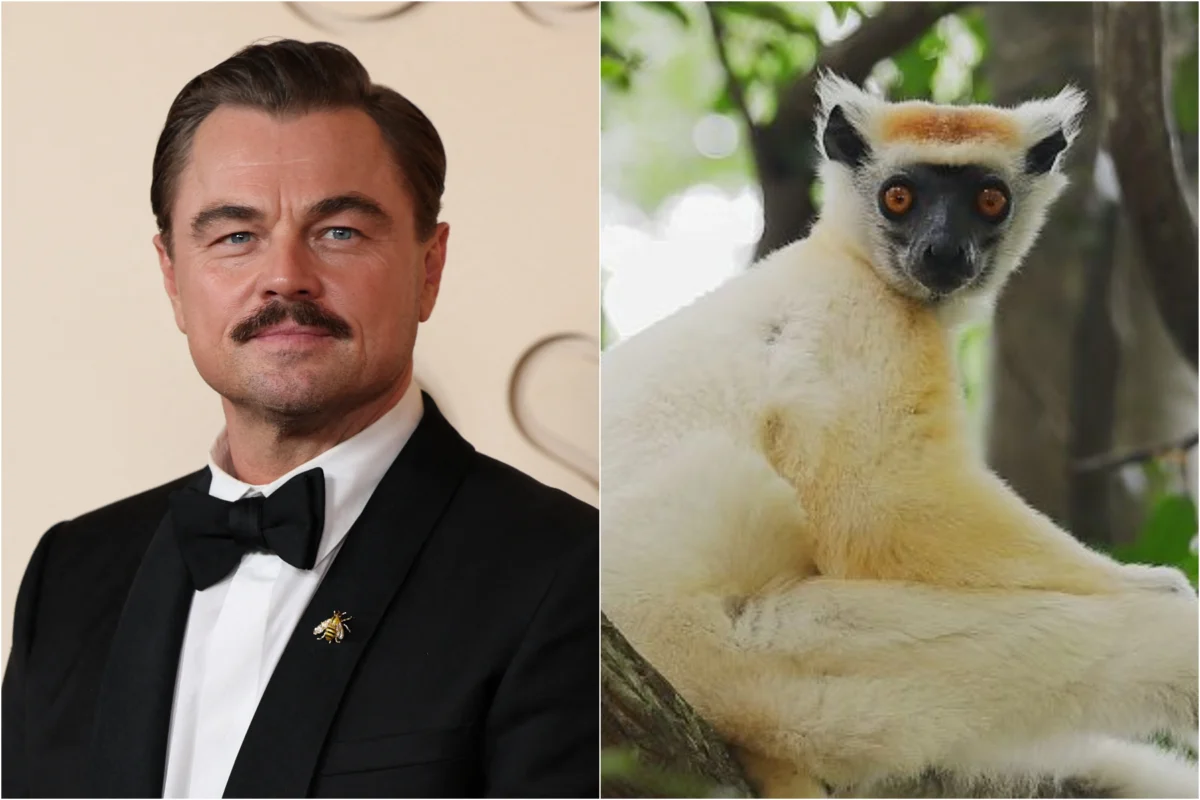
HangupsMusic.com – A groundbreaking environmental initiative, the Phoenix Species Project, has been unveiled with an unprecedented $200 million commitment aimed at averting the imminent extinction of 100 critically endangered species worldwide. This monumental effort, a collaboration between actor and environmentalist Leonardo DiCaprio’s Re:wild organization and the Bezos Earth Fund, represents a significant escalation in global conservation strategy, seeking to redefine how humanity confronts the accelerating biodiversity crisis. The project emphasizes a holistic approach, integrating the invaluable knowledge of Indigenous Peoples, cutting-edge scientific research, and the dedicated efforts of local conservationists to foster a future where Earth’s intricate web of life can not only survive but thrive.
The launch of the Phoenix Species Project arrives at a critical juncture for planetary biodiversity. Scientists globally warn of a looming sixth mass extinction event, driven primarily by human activities such as habitat destruction, climate change, pollution, and overexploitation. Species are vanishing at rates far exceeding natural averages, threatening the stability of ecosystems vital for human well-being. Against this backdrop of ecological urgency, the Phoenix Species Project emerges as a beacon of hope, positioning itself as the largest single philanthropic endeavor exclusively dedicated to the recovery of critically endangered species across a vast spectrum of taxonomic groups, diverse habitats, and numerous countries. Its ambition extends beyond mere protection, striving for genuine population recovery and the restoration of ecological balance.
Re:wild, co-founded by DiCaprio and Dr. Wes Sechrest, has long championed a science-driven approach to conservation, focusing on protecting and restoring wild places. DiCaprio, a fervent advocate for environmental protection, articulated the profound significance of this new venture. In a statement, he underscored the foundational role that species on the brink of extinction often play within Earth’s most vital ecosystems. “For decades, scientists, Indigenous Peoples, local communities, and conservation leaders have been on the front lines of protecting nature, and what has been made clear through research, is that species on the brink of extinction are often the ones that anchor some of the world’s most important ecosystems,” DiCaprio noted. He elaborated that safeguarding these keystone species inherently extends protection to the broader landscapes they inhabit—forests, wetlands, grasslands, and oceans. The Phoenix Species Project, in his view, possesses the transformative potential to fundamentally alter the conventional paradigms of conservation and to significantly bolster efforts in combating the global climate crisis.
The Bezos Earth Fund, established by Amazon founder Jeff Bezos, is a colossal philanthropic vehicle dedicated to addressing climate change and protecting nature. Its involvement underscores a growing recognition among major philanthropic entities that ecological restoration and species preservation are integral components of a comprehensive climate solution. The $200 million funding package is meticulously structured, with $100 million originating from the Bezos Earth Fund and an equivalent $100 million commitment from Re:wild itself, bolstered by substantial support from Leonardo DiCaprio, Age of Union, and the Todd Graves Family Foundation. This multi-source funding model not only demonstrates broad philanthropic consensus but also ensures a robust financial foundation for the project’s ambitious, multi-year recovery efforts. The intention is to provide sustained support, allowing species adequate time and resources to rebound from the precipice of extinction, a process that often requires decades of dedicated intervention rather than short-term fixes. To maintain transparency and public engagement, the project has committed to providing regular updates on population recovery, threat reduction strategies, and overall progress via its official website and various social media platforms.
The very name, “Phoenix Species Project,” evokes a powerful metaphor of rebirth and resilience—a symbolic nod to the mythical bird that rises anew from its own ashes. This symbolism encapsulates the project’s audacious goal: to snatch species from the jaws of extinction and facilitate their ecological resurgence. The initiative’s approach is deeply rooted in the understanding that successful conservation is not a solitary endeavor but a symphony of collaborative efforts. By prioritizing partnerships with Indigenous Peoples, the project acknowledges their centuries-old wisdom and stewardship of the land, recognizing that traditional ecological knowledge is often key to effective local conservation. Scientists bring their expertise in genetics, population dynamics, and ecological restoration, while local conservationists provide the vital on-the-ground presence and community engagement necessary for long-term success. This integrated model aims to empower local communities, fostering a sense of ownership and shared responsibility in protecting their natural heritage.
The project’s scope, encompassing what it terms the “full Phoenix 100,” is breathtakingly diverse. This roster of 100 critically endangered species spans the entire tree of life, including mammals, amphibians, reptiles, birds, fish, invertebrates, and plants. These species are drawn from over 30 countries and inhabit an astonishing array of environments, from the vast, life-filled depths of oceans to the delicate ecosystems of freshwater lakes, from the dense, humid canopies of tropical rainforests to the stark, unique landscapes of volcanic plains. Each species faces a unique constellation of threats, ranging from rampant habitat loss and fragmentation to the pressures of illegal wildlife trade, the devastating impacts of climate change, the insidious spread of invasive species, and pervasive pollution. The project’s comprehensive strategy will tailor interventions to these specific challenges, employing a suite of conservation tools such as habitat restoration, anti-poaching measures, captive breeding and reintroduction programs, community-based conservation initiatives, and policy advocacy.
A poignant example of the project’s immediate impact can be found in Madagascar, a global biodiversity hotspot facing immense environmental pressures. Tiana Andriamanana, executive director of Association Fanamby, a conservation organization receiving a grant from the Phoenix Species Project, articulated the transformative potential of this new funding. Her organization has long struggled to protect the golden-crowned sifaka, a striking lemur species endemic to Madagascar’s northern forests, with budgets that scarcely matched the species’ critical needs. “We’ve protected the golden-crowned sifaka for years on a budget that would never match what this species deserves, but letting it go extinct was never an option,” Andriamanana stated, highlighting the relentless dedication of conservationists despite chronic underfunding. She emphasized that the influx of new funding, coupled with the global platform and technical support provided by the Phoenix Species Project, dramatically alters the possibilities. “This funding, this global platform and technical support change what is possible. We are no longer only holding the line against extinction; we can begin to bring the gold of Madagascar’s northern forests back.”
The golden-crowned sifaka, with its distinctive golden-white fur and expressive face, is a symbol of Madagascar’s unique evolutionary heritage, yet it is teetering on the brink due to deforestation and illegal hunting. For Andriamanana, the project’s benefits extend far beyond the sifaka itself. She envisions a ripple effect: "In doing so, we protect the landscapes that give Malagasy people drinking water, we open real ecotourism opportunities for local communities, and we prove that conservation succeeds only when everyone has a role in it." Her powerful concluding sentiment—"People and wildlife always thrived together; we only became disconnected, and now it is a homecoming"—encapsulates the project’s deeper philosophy: that ecological restoration is intrinsically linked to the restoration of human-nature harmony and sustainable community development. By investing in the sifaka’s recovery, the project simultaneously invests in the health of the entire ecosystem, the livelihoods of local people, and the future of a vibrant, interconnected world.
The Phoenix Species Project, through its unparalleled scale, collaborative methodology, and long-term vision, signals a potential paradigm shift in global conservation. It underscores that while the biodiversity crisis is formidable, it is not insurmountable. With concerted effort, significant resources, and a renewed commitment to working in concert with nature and local communities, the "phoenix" of Earth’s biodiversity can indeed rise again, ensuring a richer, more resilient planet for generations to come. This initiative stands as a testament to the power of collective action and the enduring hope that even the most dire ecological trends can be reversed through strategic, empathetic, and science-informed intervention.
