
 By admin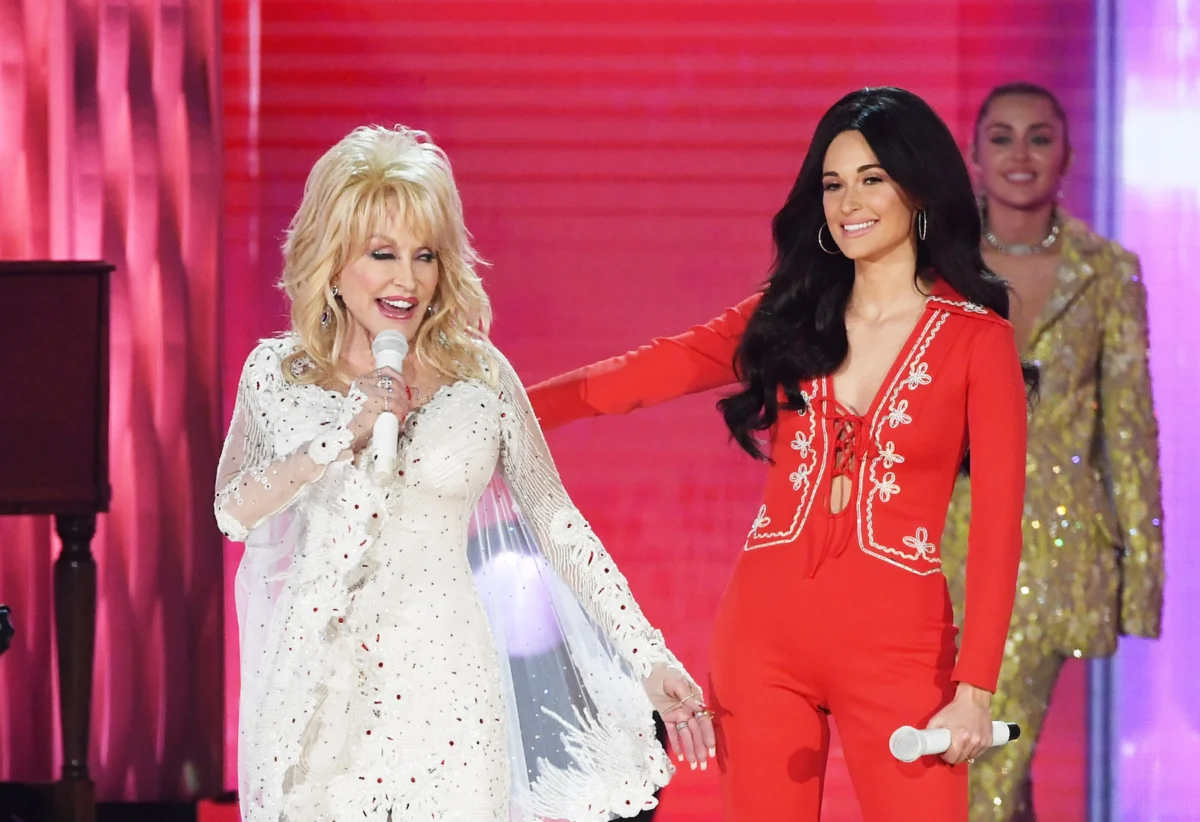
HangupsMusic.com – Boston, MA – In an emotionally charged evening at TD Garden, Kacey Musgraves delivered a poignant and deeply personal tribute to the legendary Dolly Parton, who had passed away earlier that week at the age of 80. Musgraves, known for her introspective lyrics and genre-bending sound, paused her "Middle of Nowhere Tour" set on Friday to honor her idol, intertwining two significant songs that spoke volumes about Parton’s enduring legacy and her profound influence on Musgraves herself. The performance was a testament to the powerful connections forged across generations of artists and the universal language of music in times of collective grief and celebration.
The atmosphere in the bustling Boston arena shifted from vibrant anticipation to a reverent hush as Musgraves addressed the crowd, her voice tinged with a palpable sense of loss and admiration. She announced a special deviation from her tour’s usual setlist, resurrecting a fan-favorite ballad that had been conspicuously absent from recent performances: "Rainbow." The choice was not merely a nostalgic return but a deliberate, heartfelt dedication. Musgraves revealed to the thousands gathered that the acclaimed track from her Grammy-winning album Golden Hour had been directly inspired by Parton. This revelation added a new layer of depth to a song already cherished for its message of hope and resilience, painting a vivid picture of Parton’s quiet yet pervasive mentorship in Musgraves’ artistic journey.
As the opening chords of "Rainbow" resonated through the arena, a wave of collective emotion washed over the audience. Musgraves invited everyone to join her in singing "for her memory," transforming the vast concert hall into an intimate space of shared remembrance. On the colossal screens behind her, a montage of photographs of Dolly Parton flickered, showcasing different eras of the icon’s life – from her early days in Appalachia to her global superstardom. Each image was met with a chorus of sighs and appreciative murmurs, underscoring the universal affection held for Parton. The visual tribute, paired with Musgraves’ tender delivery, created a moment of profound communion, where fans and artist alike could collectively mourn a titan while celebrating the vibrant spirit she embodied.
Following the ethereal beauty of "Rainbow," Musgraves seamlessly transitioned into a spirited rendition of Parton’s 1977 smash hit, "Here You Come Again." This particular song holds a special place in music history, marking Dolly Parton’s definitive crossover from a country music darling to a mainstream pop sensation. Its catchy melody and relatable lyrics about an inescapable love captured the hearts of audiences far beyond the traditional country landscape, cementing Parton’s status as a multifaceted entertainer capable of transcending genre boundaries. Musgraves’ choice to perform this track was not just a cover but an acknowledgment of Parton’s groundbreaking artistry and her pioneering spirit in expanding the reach of country music. The energetic performance injected a sense of joyful defiance into the evening, celebrating Parton’s ability to constantly reinvent herself and captivate new audiences. The transition from the introspective "Rainbow" to the more buoyant "Here You Come Again" mirrored the multifaceted nature of Parton’s own career and the diverse emotional landscape of her music.
This tandem performance was also a deliberate nod to a significant moment in Musgraves’ own career and her direct interaction with Parton. At the 2019 Grammy Awards, Musgraves had performed "Rainbow" on music’s biggest night, a performance that led into an unforgettable collaboration. She was then joined onstage by Parton herself and pop superstar Katy Perry for a vibrant group rendition of "Here You Come Again." That same weekend, Musgraves and Perry had also performed the song during the MusiCares tribute event honoring Parton, an evening dedicated to celebrating the icon’s philanthropic efforts and musical genius. These prior shared stages underscored the deep reverence Musgraves held for Parton, not just as a distant inspiration but as a cherished contemporary and mentor. The Boston tribute served as a powerful echo of those earlier moments, now imbued with the bittersweet weight of loss. It was a reaffirmation of an artistic bond that had been publicly celebrated and privately nurtured for years.
The news of Dolly Parton’s passing on Monday, at the age of 80, had sent shockwaves through the global music community. Tributes poured in from artists across every genre, world leaders, and countless fans, all mourning the loss of a truly singular figure. Parton was more than just a singer-songwriter; she was an institution, a symbol of resilience, wit, and boundless generosity. Her career, spanning over six decades, saw her penning thousands of songs, including timeless classics like "I Will Always Love You" and "Jolene," and building a vast entertainment empire that included Dollywood, a theme park that embodied her down-home charm and entrepreneurial spirit. Her Imagination Library, which provides free books to children, stands as a testament to her unwavering commitment to literacy and community upliftment. Her vibrant personality, distinctive style, and empowering messages had made her an icon not just of music, but of culture itself.
Kacey Musgraves herself had voiced her profound grief on social media in the days leading up to the Boston concert. Her words resonated with many who felt the sudden emptiness left by Parton’s departure. "The world feels a lot less sparkly all of a sudden," Musgraves wrote, encapsulating the sentiment that a unique light had dimmed. Her additional comment, "Dolly. This really really hurts. So glad she’s with her Carl Dean," offered a tender, personal touch, referencing Parton’s beloved husband who had passed away just months prior. This heartfelt expression of sorrow highlighted the deeply personal impact Parton had on her fellow artists, extending beyond professional admiration to a genuine affection for her as a human being. Musgraves’ tribute was not just a performance; it was an act of communal mourning and celebration, offering solace to those who felt a similar void.
Dolly Parton’s influence on Kacey Musgraves, and indeed on countless other female artists in country music and beyond, cannot be overstated. Parton broke barriers with her unapologetic femininity, sharp business acumen, and ability to navigate both traditional country and mainstream pop without compromising her authentic self. She championed storytelling, authenticity, and a fiercely independent spirit – qualities that are clearly reflected in Musgraves’ own artistry. Musgraves, too, has carved out a niche by challenging conventional country norms, embracing themes of self-acceptance, LGBTQ+ rights, and progressive viewpoints, all while maintaining a deep respect for the genre’s roots. In her own way, Musgraves carries a torch lit by Parton, demonstrating that artistry thrives on authenticity and the courage to forge one’s own path. The connection between "Rainbow," a song about finding light after darkness, and Parton, a figure who brought immeasurable light to the world, felt profoundly fitting. Parton’s life and career served as a vibrant testament to hope, perseverance, and the transformative power of embracing one’s true colors, a message that "Rainbow" beautifully echoes.
The Boston concert was more than just a stop on a tour; it was a significant cultural moment, a live eulogy delivered by one of country music’s most innovative voices for one of its most enduring legends. In an era where news travels at lightning speed and grief can feel isolating, Musgraves provided a communal space for healing and remembrance. Through her carefully chosen songs and heartfelt words, she underscored the indelible mark Dolly Parton left on the world, not just as a musician, but as a beacon of kindness, strength, and unwavering optimism. The night served as a powerful reminder that while icons may pass, their music, their spirit, and their influence continue to resonate, inspiring new generations to find their own "Rainbows" and share their unique "Here You Come Again" with the world. Kacey Musgraves’ tribute was a poignant demonstration of how legacy lives on, not just in memory, but in the vibrant, evolving tapestry of music itself.
