
 By Azzam Bilal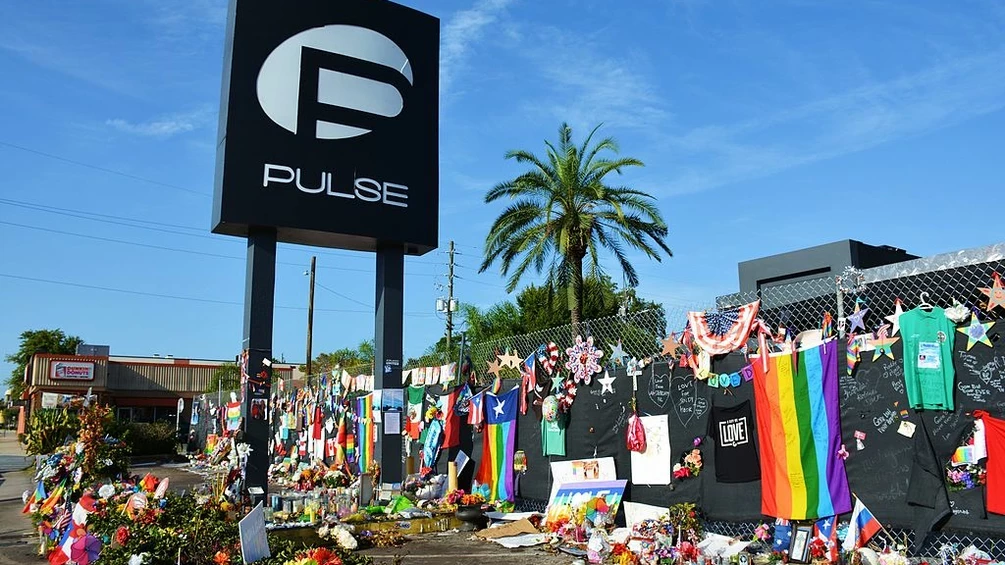
HangupsMusic.com – Orlando, In a somber but pivotal moment for the city of Orlando and the global LGBTQIA+ community, heavy machinery began the physical process of dismantling the remains of the Pulse nightclub on Wednesday, March 18. The demolition marks the end of a long, painful chapter for a site that has stood as a hollowed-out shell of tragedy for nearly a decade. As the walls of the former venue come down, the city prepares to transition the space into a $12 million permanent memorial, a project designed to honor the lives lost and provide a sanctuary for those still carrying the weight of the 2016 massacre.
The demolition follows years of bureaucratic delays, community debates, and the eventual dissolution of a private foundation that had originally intended to oversee the site’s transformation. For many survivors and families of the victims, the sight of the building being razed is a bittersweet milestone—a necessary step toward a future where the property serves as a place of reflection rather than a reminder of an unhealed wound.
The history of the Pulse nightclub is inextricably linked to the early morning hours of June 12, 2016. On that night, during a vibrant "Latin Night" event, the venue became the site of one of the deadliest mass shootings in modern American history. Gunman Omar Mateen entered the club armed with an assault rifle, pledging his allegiance to ISIS before opening fire on a crowd of hundreds. The ensuing three-hour standoff with law enforcement ended with the death of the shooter, but the toll had already been taken: 49 people were killed, and 53 others were left with life-altering physical and psychological injuries.
In the years following the shooting, the site became an impromptu shrine, covered in flowers, flags, and messages of hope. However, the path toward a permanent structure was fraught with conflict. The onePulse Foundation, an organization founded by the club’s former owners, Barbara and Rosario Poma, originally sought to raise $100 million for an ambitious memorial and museum complex. That vision, however, was met with intense scrutiny from a vocal segment of the survivors and victims’ families. Critics pointed to a lack of financial transparency within the foundation and expressed deep discomfort with plans that included a gift shop and an admission fee for the museum, arguing that such features would commercialize a site of immense suffering.
By October 2023, the onePulse Foundation had dissolved under the weight of these controversies and funding hurdles. Stepping in to resolve the impasse, the City of Orlando voted to purchase the property for $2 million. This shift in ownership signaled a change in philosophy, moving away from the large-scale museum concept and toward a more focused, reverent memorial that prioritizes the needs of the local community and those directly impacted by the tragedy.
At a press conference held on Tuesday, just a day before the demolition began, Orlando Mayor Buddy Dyer reflected on the gravity of the site. Describing the location as "sacred ground," Dyer recalled the harrowing phone calls he received in the early hours of June 2016. He spoke of the "sadness of it all," emphasizing that 49 lives were "extinguished that night for no reason at all." For Dyer and many other city officials, the demolition is not an act of erasure, but an act of preparation.
The new memorial, which carries a $12 million price tag, is being developed through a partnership between Gomez Construction and Borrelli and Partners. While the full, finalized plans for the 3,500-square-foot site are expected to be unveiled in May, preliminary designs have already begun to paint a picture of what the future holds. The memorial is expected to feature an "angel ellipse," a reflecting pool, a private gathering area specifically for families and survivors, and a "survivors wall" that will document the stories of those who lived through the attack.
The design philosophy for the site has shifted toward creating a space of quietude. Unlike the high-concept architectural plans of the past, the current vision focuses on natural elements and symbolic structures that evoke peace. The reflecting pool, a common element in memorial architecture, is intended to offer a place for contemplative silence, while the angel ellipse will serve as a structural tribute to the 49 victims, often referred to by the community as the "49 Angels."
For survivors like Brandon Wolf, the start of the demolition is a moment of profound personal significance. Wolf, who has become a prominent advocate for gun safety and LGBTQ+ rights in the years since the shooting, was at Pulse on the night of the attack and lost several close friends. In an interview with local media, Wolf expressed a sense of readiness to move forward. He noted that the demolition was long overdue and that he looked forward to a space where he could feel close to the friends who did not return home that night.
The timeline for the project estimates that the memorial will be completed by the autumn of 2027. This nearly decade-long gap between the tragedy and the completion of a permanent memorial highlights the complexities of memorializing mass violence. Cities across the United States have struggled with similar questions after tragedies: how to balance the need for public memory with the private grief of families, and how to fund such projects without succumbing to commercial interests.
The Pulse nightclub was more than just a bar; for many in Orlando’s LGBTQIA+ and Latinx communities, it was a sanctuary. In the world of music and nightlife, clubs often serve as safe havens where marginalized individuals can express themselves freely. The destruction of that sanctuary in 2016 was a blow to the heart of the city’s cultural fabric. By reclaiming the site through a public memorial, the city aims to restore a sense of safety and belonging to the area.
As the demolition crews continue their work, the city is also focusing on the "survivors wall" component of the memorial. This feature is intended to be a living history, ensuring that the voices of those who were present are not lost to time. It serves as a reminder that while the building is gone, the impact of the event remains a permanent part of Orlando’s identity.
Legal hurdles and funding challenges played a significant role in the delays that pushed the demolition back to 2026. The transition from a private foundation to city control required extensive negotiations regarding property rights and the settlement of existing debts. Furthermore, the city committed to an intensive consultation process, meeting with survivors, community advocates, and urban planners to ensure that the final design reflects the collective will of the people.
The $12 million budget for the memorial is a stark contrast to the original $100 million goal of the onePulse Foundation. This scaled-back approach has been welcomed by many who felt the original plans were too grandiose and disconnected from the site’s emotional core. The city’s plan focuses on the 3,500-square-foot footprint of the original club, ensuring that the memorial remains intimate and grounded.
As the dust settles over the site this week, the community remains watchful. The demolition is a physical manifestation of the phrase "Orlando Strong," a slogan that became a rallying cry in the wake of the shooting. It represents the resilience of a city that refused to let a site of hate remain a ruin. Instead, the transformation of Pulse into a memorial serves as a commitment to the idea that memory is a form of justice.
The upcoming reveal of the final designs in May will be the next major step in this journey. For now, the people of Orlando look toward the autumn of 2027, when the reflecting pool will finally catch the light and the "angel ellipse" will stand as a permanent sentinel over a site that changed the world. The walls of Pulse are falling, but the mission to remember the 49 lives lost continues with renewed purpose and a clear path forward.
