
 By admin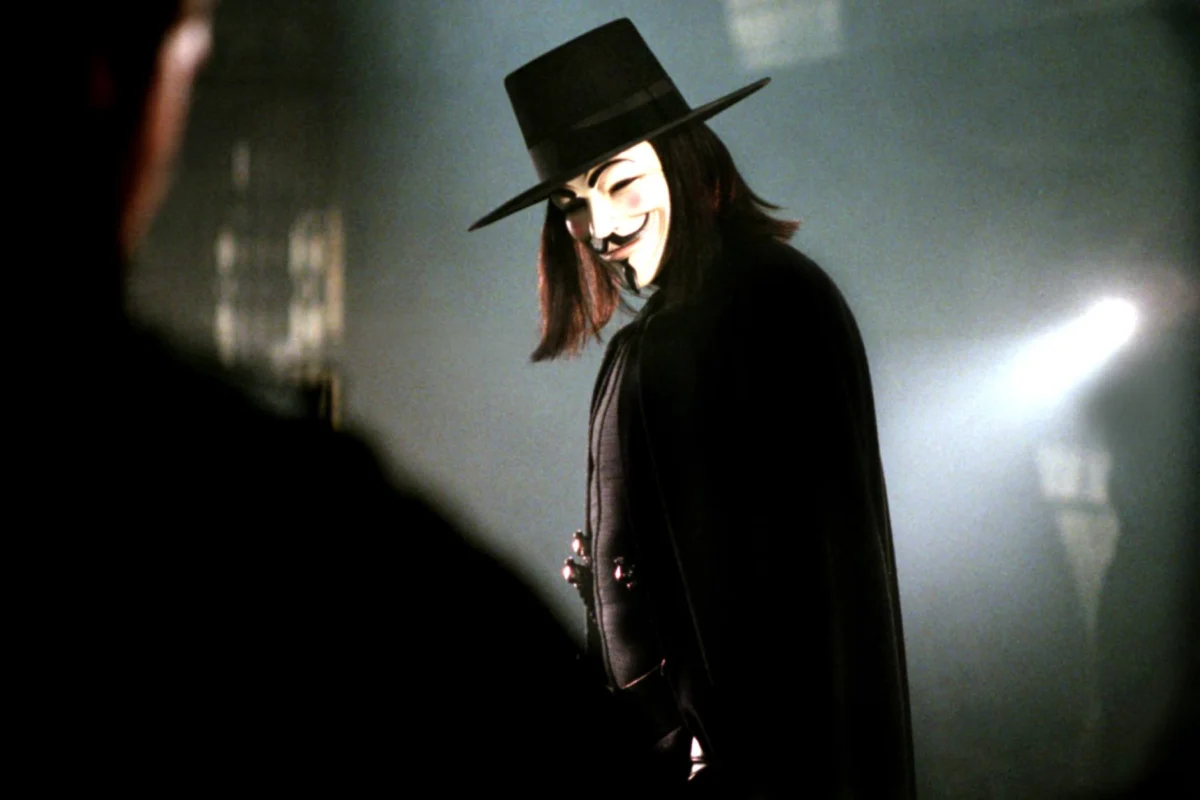
HangupsMusic.com – Two decades after its explosive debut, the cinematic adaptation of Alan Moore and David Lloyd’s seminal graphic novel, V for Vendetta, is poised for a powerful return to the silver screen. This landmark anniversary event offers a rare opportunity for both long-time devotees and a new generation of viewers to experience the film’s potent themes of freedom, resistance, and identity in a collective theatrical setting, augmented by an exclusive new featurette and a truly arresting musical reimagining in its latest promotional material.
The highly anticipated screenings are scheduled for two exclusive evenings: Friday, November 1st, and Tuesday, November 5th. This carefully chosen timing, particularly the latter date, resonates deeply with the film’s iconic opening line, "Remember, remember the Fifth of November," drawing a direct parallel to the historical Guy Fawkes Night, a pivotal symbol within the narrative. The special engagement is a collaborative effort by Fathom Entertainment, Warner Bros., and DC Vertigo, ensuring a premium presentation of a film that has only grown in cultural significance over the past two decades. Audiences attending these showings will be treated to more than just the feature film; an exclusive new conversation with director James McTeigue will precede the main event. McTeigue, who served as first assistant director on The Matrix trilogy before helming V for Vendetta, will delve into the enduring mythology of the enigmatic V and offer fresh perspectives on why the film’s core ideas of liberty and defiance continue to echo so profoundly in today’s tumultuous world.
Adding a contemporary sonic layer to this commemorative return, an anniversary trailer was unveiled on Friday, sending ripples of excitement through both film and music communities. This trailer is not merely a highlight reel; it’s a carefully curated artistic statement, distinguished by a groundbreaking reimagining of Pyotr Ilyich Tchaikovsky’s iconic 1812 Overture. The formidable task of reinterpreting this classical masterpiece fell to Jonathan Snipes, a key member of the experimental hip-hop group Clipping. Snipes’s distinct artistic voice, known for its intricate sound design, industrial textures, and often abrasive yet captivating sonic landscapes, breathes new life into Tchaikovsky’s grand composition. The original 1812 Overture, with its bombastic cannons and triumphant bells, traditionally evokes military victory and national pride. However, under Snipes’s innovative hand, it is transformed into something more unsettling, more defiant, and arguably, more fitting for the rebellious spirit of V for Vendetta. His rendition likely deconstructs the traditional heroic narrative, infusing it with a sense of urgency, fractured beauty, and the raw, unpolished energy synonymous with Clipping’s experimental sound, perfectly underscoring the film’s anarchist undertones and its protagonist’s radical methods. This musical choice serves as a powerful reminder that while the film’s message remains timeless, its presentation can evolve to resonate with new auditory sensibilities.
At its heart, V for Vendetta translates the profound narrative crafted by Alan Moore and David Lloyd into a visually striking cinematic experience. The story unfolds in a dystopian near-future Britain, crushed under the iron fist of a totalitarian, fascist regime known as Norsefire. In this oppressive society, civil liberties are non-existent, and dissent is brutally suppressed. Immigrants, members of the LGBTQ+ community, and political opponents are systematically silenced, disappearing into the shadows of the state apparatus. It is into this bleak landscape that the enigmatic, masked figure known only as "V" emerges. Portrayed with chilling intensity and an unforgettable vocal performance by Hugo Weaving, V is a revolutionary, an anarchist, and a theatrical terrorist driven by a profound desire for justice and vengeance. His ultimate goal: to ignite a revolution and dismantle the tyrannical government.
The narrative gains its emotional anchor through Evey Hammond, a working-class woman portrayed by Natalie Portman. Evey’s initial encounter with V is one of terror and confusion, as he rescues her from the secret police. However, her journey quickly transforms into a profound awakening. Under V’s controversial, often brutal tutelage—which includes a period of questionable imprisonment designed to strip away her fear and preconceived notions—Evey is forced to confront her own identity, the true nature of the regime, and the devastating past that binds her to V. Her transformation from a passive citizen to an active participant in V’s revolution is one of the film’s most compelling arcs, symbolizing the awakening of individual consciousness against state-imposed ignorance. The film meticulously builds a world where ideas, symbols, and individual acts of defiance hold the potential to shatter the most entrenched systems of power.
The film, produced by the visionary Wachowskis (who also penned the screenplay), boasts an ensemble cast whose performances are as memorable as the narrative itself. Beyond the commanding presence of Weaving and the transformative portrayal by Portman, the supporting cast delivers nuanced and powerful performances that flesh out the dystopian world. Stephen Rea embodies the conflicted detective Finch, struggling with his conscience within the corrupt system. Stephen Fry offers a poignant performance as the beloved television host Gordon Deitrich, a beacon of truth and art swiftly extinguished by the regime. John Hurt masterfully portrays the chilling High Chancellor Adam Sutler, the tyrannical architect of Norsefire. Roger Allam, Tim Pigott-Smith, and Rupert Graves further populate this grim future, each contributing to the film’s rich tapestry of characters, from oppressive government officials to ordinary citizens caught in the crossfire. The collective talent assembled brings a gravitas and authenticity that elevates the film beyond a mere action thriller into a profound political allegory.
The journey of V for Vendetta from page to screen was fraught with challenges and significant creative decisions. Alan Moore, renowned for his complex, densely layered narratives and often critical stance on film adaptations of his work, famously disassociated himself from the movie. Despite his objections, the Wachowskis, with their proven track record of crafting visually stunning and intellectually stimulating science fiction, were uniquely positioned to shepherd Moore and Lloyd’s intricate graphic novel to the big screen. They crafted a screenplay that, while taking liberties with certain plot points and character motivations, largely retained the graphic novel’s core philosophical questions and its striking aesthetic. Director James McTeigue skillfully translated this vision, creating a film that is both a faithful homage to its source material’s spirit and a relevant commentary on the post-9/11 political landscape, where debates around security versus liberty were at a fever pitch. The film’s visual design, characterized by its stark, neo-fascist architecture and shadowy cinematography, creates an oppressive atmosphere that perfectly mirrors the regime’s control.
The enduring cultural impact of V for Vendetta cannot be overstated. Beyond its critical reception upon release, the film, and specifically the iconic Guy Fawkes mask worn by V, transcended cinematic boundaries to become a global symbol of anonymous protest and anti-establishment sentiment. Adopted by groups like Anonymous and prominently featured in movements such as Occupy Wall Street, the mask transformed from a narrative device into a powerful emblem for real-world activism, representing collective resistance against perceived injustices and corporate or governmental overreach. This unexpected evolution cemented the film’s legacy as more than just entertainment; it became a cultural touchstone, a visual shorthand for rebellion that continues to resonate with those who feel marginalized or oppressed. The film’s prescient exploration of surveillance, propaganda, and the manipulation of information feels more relevant than ever in the age of digital authoritarianism and widespread misinformation.
Shannah Miller, Vice President of Marketing at Fathom Entertainment, succinctly articulated the film’s lasting power in a recent statement: "The award-winning V for Vendetta graphic novel led to one of the most provocative films in the early 2000s. Twenty years later, V for Vendetta still asks the questions that matter: about freedom, identity, and who gets to speak up. Fathom is thrilled to bring this great movie back to theatres, featuring an exclusive new conversation with director James McTeigue for a whole new generation of audiences." Her words underscore the timeless nature of the film’s philosophical inquiries, affirming its status not merely as a historical artifact but as a living, breathing commentary on ongoing global struggles.
The 20th anniversary screenings of V for Vendetta are more than just a nostalgic trip; they are an invitation to engage with a story that continues to challenge, provoke, and inspire. With its powerful narrative, unforgettable performances, and a newly minted musical tribute in its trailer that bridges classical grandeur with contemporary experimentalism, this theatrical return is a must-see event. Whether revisiting its profound messages or discovering them for the first time, audiences are sure to find themselves reflecting on the vital questions the film poses about society, government, and the enduring human spirit of resistance. Tickets for this special cinematic engagement are currently available for purchase online and at participating theater box offices.
