
 By admin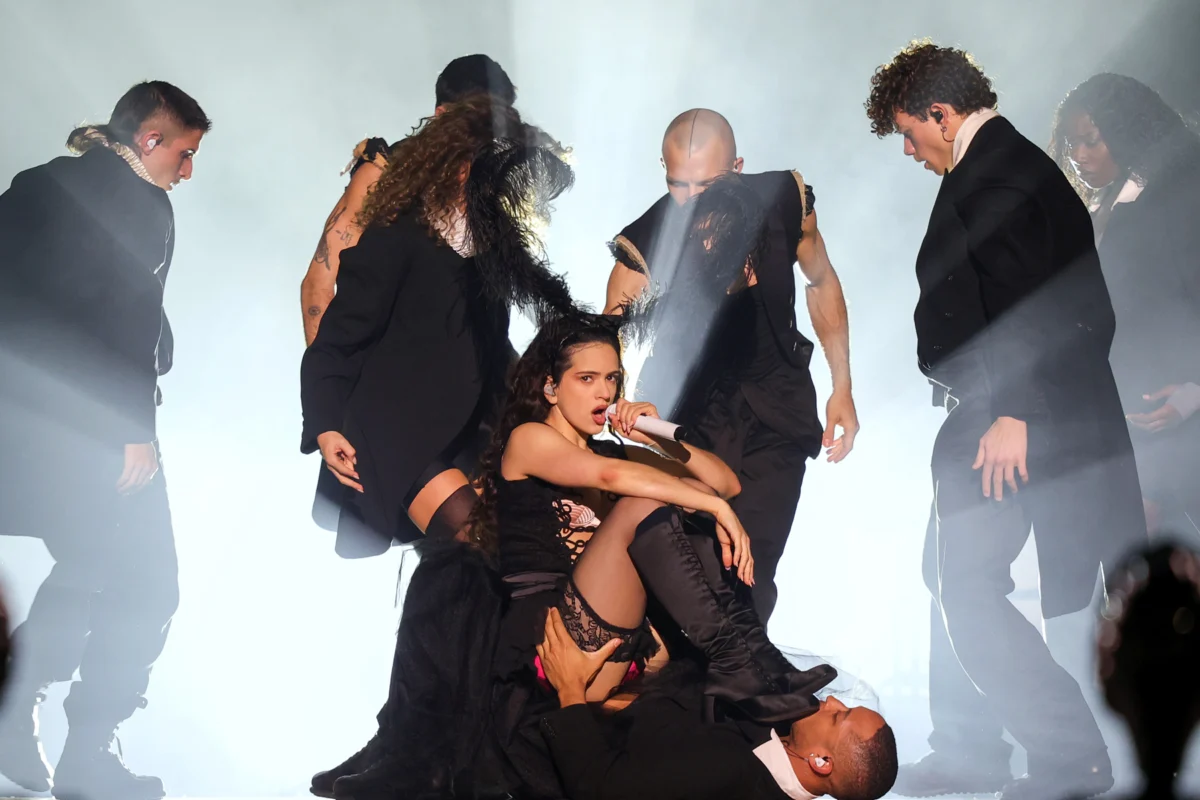
HangupsMusic.com – In an era where concert experiences often prioritize spectacle and digital engagement, Rosalía continues to distinguish herself as a visionary artist, pushing the boundaries of live performance with her groundbreaking Lux world tour. Far from merely delivering a string of hits, the Spanish sensation has woven an intricate tapestry of sound, movement, and profound theatricality, culminating in a segment that transcends traditional concert formats. At the heart of this innovative approach lies a unique ritual: a meticulously crafted gothic confessional booth where special guests, ranging from emerging talents like Lola Young to established figures such as Bad Gyal, are invited to divulge their most personal secrets and emotional burdens, particularly those intertwined with their romantic lives. This intimate disclosure unfolds just moments before Rosalía delivers the poignant notes of her track, "La Perla," transforming each concert stop into a sacred space of shared vulnerability and artistic catharsis.

Rosalía’s artistic journey has consistently defied categorization, blending the ancient traditions of flamenco with contemporary pop, reggaeton, and experimental electronica. From the critically acclaimed narrative arc of El Mal Querer, which reinterpreted a 13th-century Occitan novel through a modern flamenco lens, to the audacious genre-bending and hyper-modern aesthetics of Motomami, her work has always been characterized by a profound conceptual depth and a relentless pursuit of artistic innovation. The Lux era, while perhaps less overtly experimental in its sonic palette than its predecessor, deepens her exploration of spiritual and emotional landscapes, presenting a more introspective and often melancholic side of her artistic persona. The tour itself is a testament to this evolution, an expansive 57-date global trek designed not just as a concert series, but as a meticulously orchestrated journey through sound and emotion.

The visual architecture of the Lux tour is a spectacle in itself, featuring breathtaking stage designs, intricate lighting schemes, and a troupe of dancers whose balletic movements enhance the operatic grandeur of Rosalía’s vocals. Yet, it is the confessional segment that truly anchors the tour’s spiritual and emotional core, elevating it beyond mere entertainment. The choice of a gothic confessional booth is no mere aesthetic whim; it is a potent symbol. Historically, confessionals were spaces for penitence, absolution, and the baring of the soul before a divine presence or a spiritual guide. By recontextualizing this sacred structure within a secular, public performance space, Rosalía invites her audience to consider themes of sin, redemption, vulnerability, and the often-burdensome weight of human secrets in a contemporary light.

The segment begins with a palpable shift in atmosphere. The vibrant energy of the preceding performances gives way to a hushed reverence as the confessional booth, often bathed in a soft, ethereal glow, is brought to the forefront. Its design, with dark wood, intricate carvings, and a sense of enclosed privacy, evokes both solemnity and a touch of dramatic intrigue. Rosalía, typically clad in an ensemble that merges high fashion with ecclesiastical undertones, takes her place, not as a judge, but as a silent, empathetic witness. Her demeanor is one of serene focus, embodying a role that oscillates between a modern-day oracle and a compassionate confidante.

The selection of guests for this segment is a fascinating aspect, carefully curated to ensure a diverse range of voices and experiences. While the original report mentioned Lola Young and Bad Gyal, the tour has seen a revolving door of artists, models, and cultural figures step into the booth. Each guest, in their brief moment of exposure, is tasked with revealing a "deepest, darkest secret or sin related to their love lives." These aren’t scandalous exposes or tabloid fodder; rather, they are often raw, unvarnished admissions of regret, longing, betrayal, or quiet hope concerning past or present relationships. One might confess a secret love, a moment of profound heartbreak they never spoke of, a decision that altered the course of their romantic life, or a vulnerability they usually guard fiercely in their public persona. The power lies not in the sensationalism of the secret itself, but in the act of sharing it openly, albeit to a silent Rosalía and a captivated audience.

This public act of private disclosure creates an extraordinary dynamic. For the guest, it is an act of courage, a shedding of the curated image often demanded by celebrity, and a return to fundamental human experience. For Rosalía, it is an affirmation of her role as an artist who seeks to connect on a deeply human level, bridging the gap between performer and audience, and even between individuals through shared emotional experience. She becomes a conduit for empathy, a silent absorber of human frailty and strength. The segment subtly critiques the often-impenetrable facades of fame, reminding everyone that beneath the glamour and the stage lights, everyone grapples with similar emotional complexities.

The emotional weight of these confessions serves as a profound prelude to "La Perla," a track from the Lux album that is infused with themes of hidden beauty, resilience, and the painful process of emotional excavation. While specific lyrical content of "La Perla" isn’t detailed, its placement immediately after such intimate disclosures suggests it functions as a musical embodiment of the catharsis that follows confession. The song might speak to the fragile yet enduring nature of the human heart, the value found in vulnerability, or the often-difficult journey towards self-acceptance after experiencing profound emotional turmoil. The sonic landscape of "La Perla" is typically characterized by Rosalía’s signature blend of traditional vocal inflections and contemporary production, allowing her voice to convey layers of meaning and emotion that resonate deeply with the preceding revelations.

The critical and fan reception to this segment has been overwhelmingly positive. Audiences have lauded Rosalía for her inventiveness and for creating a space where genuine emotional connection feels paramount. Critics have praised the segment as a masterful stroke of performance art, one that blurs the lines between theatrical spectacle and authentic human interaction. It has been hailed as a daring experiment that not only showcases Rosalía’s artistic courage but also enriches the concert experience, transforming it from a passive viewing into an active, almost participatory emotional journey. In an industry often accused of lacking originality, Rosalía’s confessional booth stands out as a bold statement, proving that vulnerability, when presented thoughtfully, can be the most compelling form of spectacle.

Rosalía’s Lux tour, with its confessional interlude, solidifies her position not just as a pop superstar but as a significant figure in contemporary performance art. Her willingness to incorporate elements of ritual, intimacy, and profound human vulnerability into a large-scale arena show sets a compelling precedent. It invites comparisons to artists like Marina Abramović, whose durational performances often explore themes of endurance and human connection, or Björk, whose elaborate stage productions often delve into mythological and emotional landscapes. Rosalía, however, grounds her avant-garde impulses in a deeply accessible, emotionally resonant framework, making these profound concepts digestible and impactful for a mass audience.

Ultimately, the confessional segment on the Lux tour is more than just a clever gimmick; it is a meticulously conceived artistic statement. It speaks to Rosalía’s understanding of the power of storytelling, the universal human need for connection, and the transformative potential of sharing our innermost selves. By inviting others to step into the light of vulnerability, she not only enriches her own performance but also creates a temporary, fleeting sanctuary where the often-heavy burdens of the heart can be acknowledged, perhaps even absolved, under the benevolent gaze of a shared artistic experience. It is a powerful reminder that even amidst the dazzling lights and soaring melodies of a global tour, the most profound moments can arise from the quiet courage of a whispered truth.
