
 By admin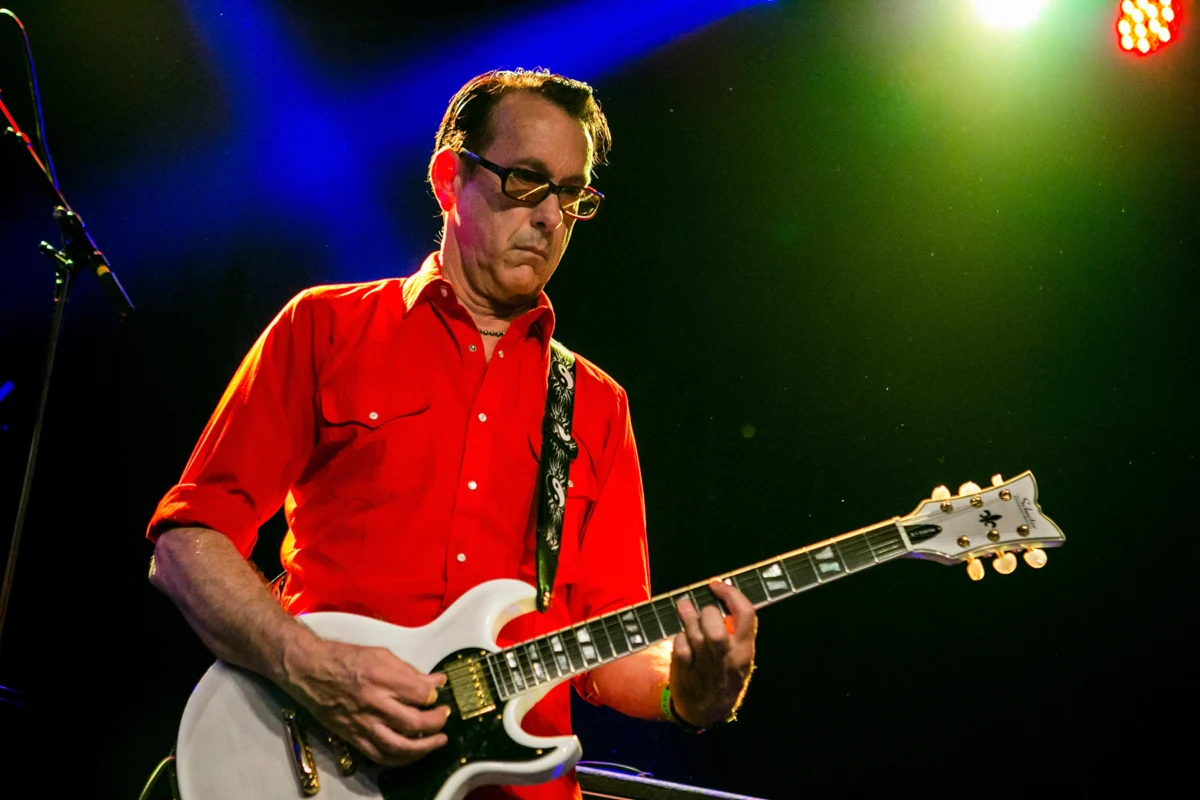
HangupsMusic.com – The punk rock community received somber news this week as East Bay Ray, the iconic guitarist and co-founder of the legendary San Francisco band Dead Kennedys, announced his diagnosis with Parkinson’s disease. The revelation, shared via the band’s official social media channels on Tuesday, comes with a defiant pledge from the musician to continue gracing stages and touring with Dead Kennedys for as long as his health permits, expressing profound gratitude for the unwavering support of his fans. This announcement casts a new light on the upcoming West Coast tour dates, transforming them into a testament to artistic perseverance in the face of significant personal challenge.
Parkinson’s disease is a progressive neurological disorder that primarily affects movement, balance, and speech. Symptoms can include tremors, rigidity, bradykinesia (slowness of movement), and postural instability. For a musician, particularly a guitarist known for intricate and energetic performances, such a diagnosis presents unique hurdles. Fine motor control, dexterity, and sustained physical exertion, all crucial to Ray’s distinctive playing style, can be progressively impacted. Yet, Ray’s immediate declaration to persist underscores a resilience often synonymous with the punk ethos he helped define. His commitment resonates deeply within a genre built on defiance and pushing boundaries, even personal ones.
East Bay Ray, born Raymond Pepperell, was instrumental in forging the Dead Kennedys’ groundbreaking sound, a furious blend of punk rock energy, surf-rock reverb, and a distinct melodic sensibility that often set them apart from their more straightforward punk peers. Co-founding the band in 1978 alongside vocalist Jello Biafra, bassist Klaus Flouride, and drummer Ted, Ray’s guitar work became a signature element. His innovative use of effects, often incorporating tremolo and echo, gave tracks like "Holiday in Cambodia" and "California Über Alles" their haunting, atmospheric edge, while his sharp, angular riffs provided the perfect counterpoint to Biafra’s biting political lyrics. He wasn’t just a punk guitarist; he was a stylist who expanded the sonic palette of the genre.
The Dead Kennedys quickly rose to prominence as standard-bearers of the early American hardcore punk scene, though their sound always transcended simple categorization. They were provocative, politically charged, and unflinchingly critical of the establishment, satirizing everything from consumerism to authoritarianism with fierce intelligence and black humor. Albums like Fresh Fruit for Rotting Vegetables (1980), Plastic Surgery Disasters (1982), and Frankenchrist (1985) became cornerstones of the punk canon, influencing countless bands across various genres. Their incendiary live performances and controversial album art, particularly the inclusion of H.R. Giger’s "Penis Landscape" poster in Frankenchrist, led to obscenity charges and legal battles that solidified their reputation as artistic provocateurs.
The band’s original run ended in 1986 amidst internal strife, largely stemming from creative and financial disputes, particularly with Jello Biafra. For over a decade, the members pursued other projects. However, in 2001, East Bay Ray, Klaus Flouride, and D.H. Peligro (who had replaced Ted on drums) reunited the Dead Kennedys, albeit without Biafra, following a series of legal battles over catalog rights and royalties. The reunion, initially met with mixed reactions from fans and critics, saw various vocalists take the helm before Ron "Skip" Greer stepped in in 2008, bringing a renewed stability to the frontman position. The current lineup also features drummer Steve Wilson, who joined the band following the tragic passing of D.H. Peligro in 2022, marking another significant loss for the band.
This recent news of Ray’s diagnosis follows another health challenge faced by a foundational member of the Dead Kennedys. Earlier this year, former frontman Jello Biafra suffered a stroke. Updates from his camp in May indicated a positive recovery, with his speech largely returned and cognitive function unimpaired, though physical weakness on his left side persisted. These back-to-back health disclosures for two pivotal figures of the band underscore the passage of time and the physical tolls on musicians who have dedicated decades to high-energy performances and the rigors of touring.
Despite these challenges, the spirit of the Dead Kennedys, and specifically East Bay Ray, remains unbroken. The band’s upcoming West Coast tour dates are now imbued with an added layer of significance. The itinerary kicks off on October 6th at Seattle’s Showbox at the Market, followed by shows in Portland, San Francisco, and San Diego, culminating on October 11th at the Riverside Municipal Auditorium in California. Fans attending these shows will undoubtedly be witnessing not just a legendary punk band in action, but a poignant display of an artist’s unwavering dedication to his craft and his audience, embodying the very essence of punk rock’s enduring defiance. Ray’s presence on stage will serve as a powerful statement against the constraints of illness, a live testament to the enduring power of music and personal resolve.
The outpouring of support for East Bay Ray on social media platforms since the announcement reflects the deep impact Dead Kennedys have had on generations of music lovers. His distinctive guitar work shaped an era and continues to inspire. As the punk rock vanguard ages, stories of resilience like Ray’s become increasingly prevalent, reminding us of the human element behind the icons and the fierce determination required to continue creating and performing. Ray’s commitment to touring, health permitting, ensures that his unique contributions to punk rock will continue to reverberate, both literally and figuratively, across stages for as long as he is able, cementing his legacy as a true pioneer of sound and spirit.
