 By admin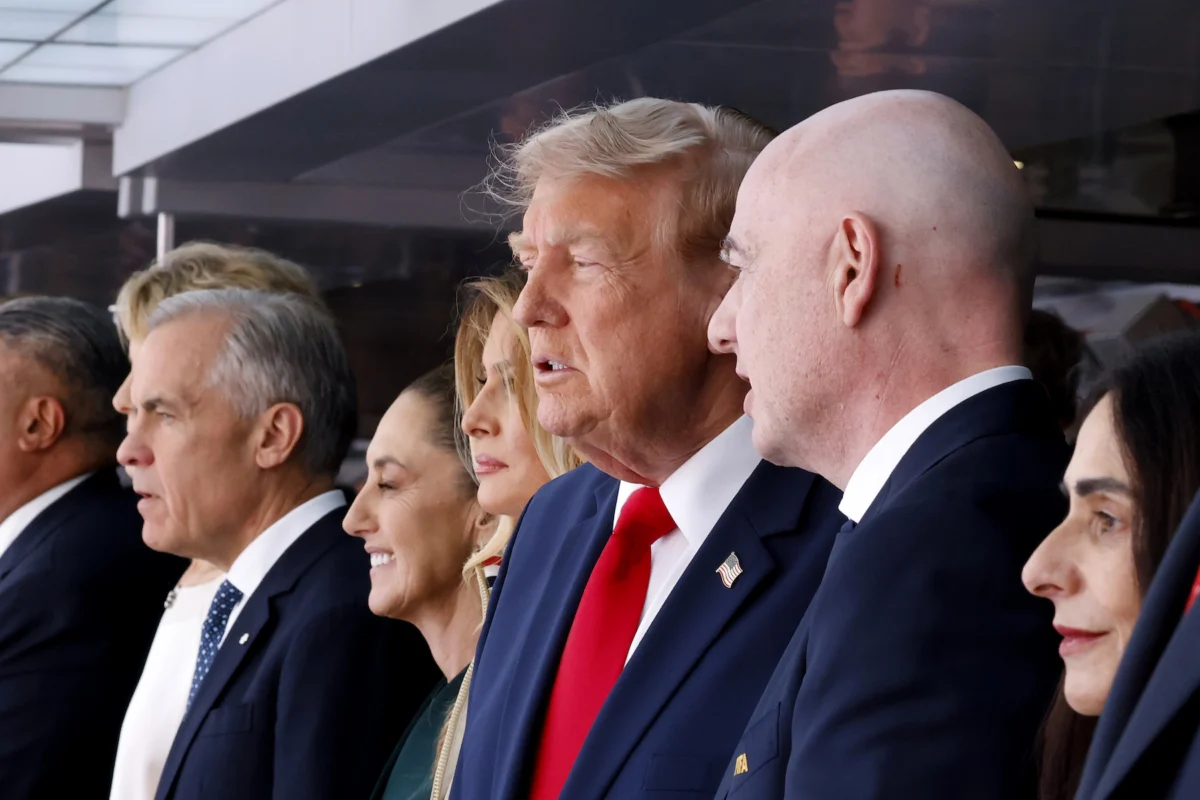
HangupsMusic.com – East Rutherford, NJ, The grandeur of a World Cup final is a spectacle unlike any other, a global convergence of athletic prowess, national pride, and fervent passion. MetLife Stadium in East Rutherford, New Jersey, served as the majestic backdrop for the 2026 final, an eagerly anticipated clash between Spain and Argentina that captivated billions worldwide. As the drama unfolded on the pitch, a different kind of performance played out in the stands and across the stadium’s towering jumbotrons, adding an unexpected, politically charged note to the otherwise celebratory atmosphere. Moments after a stirring rendition of the national anthem by Grammy-winning artist Jennifer Hudson filled the stadium, the cheers and patriotic fervor were abruptly interrupted by a wave of boos and jeers as former U.S. President Donald Trump appeared on the screens, seated in a private box alongside Melania Trump. The immediate, visceral reaction from the diverse crowd of Argentina and Spain supporters underscored a recurring theme in recent years: the often-unwelcoming reception for the former president at major public gatherings, particularly those outside the traditional political rally.
The brief visual interlude, intended perhaps as a nod to the host nation’s dignitary, instead ignited a palpable current of discontent that swept through the colossal arena. The incident was not isolated; President Trump was reportedly shown multiple times throughout the fiercely contested match, each appearance seemingly reigniting the chorus of disapproval from sections of the audience. The spectacle created a curious juxtaposition: the unifying power of international football clashing with the polarizing presence of a prominent political figure, turning a sporting event into an inadvertent sounding board for public sentiment.
This dynamic is far from novel. Indeed, the 2026 World Cup final merely added another chapter to a growing anthology of sporting events where President Trump has been met with significant public opposition. From the thunderous "Lock Him Up" chants that punctuated his appearance at Game 5 of the 2019 World Series in Washington D.C. to the sustained jeering he faced at the 2023 US Open tennis tournament, major athletic competitions have frequently proven to be hostile territory. These events, typically celebrated for their ability to transcend political divides and foster collective enjoyment, have instead become arenas where pre-existing political tensions are conspicuously laid bare. It’s a striking contrast to his reception at events like Ultimate Fighting Championship (UFC) bouts or PGA Tour golf tournaments, where his presence is often met with enthusiastic cheers from a demonstrably different demographic. This selective approval highlights the segmented nature of public opinion and the varying political leanings associated with different sporting cultures, creating a complex tapestry of public engagement.
Beyond the immediate public reaction, President Trump’s involvement in the World Cup narrative extended to a more direct and controversial intervention earlier in the tournament, impacting the fortunes of the U.S. Men’s National Team (USMNT). During a critical Round of 16 match against Belgium, USMNT star striker Folarin Balogun received a red card for a contentious foul, a decision that threatened to sideline him for a crucial period and severely cripple the team’s chances. In a move that sent shockwaves through the football world, reports emerged that President Trump personally contacted FIFA President Gianni Infantino, advocating for Balogun’s reinstatement. Remarkably, the red card decision was subsequently overturned, allowing Balogun to play.
While the immediate outcome appeared to favor the U.S. team, the intervention inadvertently triggered a profound "vibe shift" within the squad. The controversial nature of the decision, perceived by many as an unprecedented political interference in sporting justice, seemed to unsettle the team’s focus and morale. Rather than galvanizing them, the incident reportedly fostered an atmosphere of unease and heightened pressure. In the subsequent match, the USMNT delivered arguably their weakest performance of the tournament, succumbing to Belgium in a decisive 4-1 defeat, thereby crashing out of the competition. Analysts and fans alike drew parallels to President Trump’s infamous appearance at Game 4 of the NBA Finals, where the New York Knicks, despite eventually winning the series, suffered their only loss of the finals (a 4-1 series victory over the San Antonio Spurs) on the night he attended. He was also reportedly booed vigorously at that event, further solidifying a perceived "Trump effect" – a curious confluence of his presence and subsequent negative outcomes for the teams he publicly supports or influences.
Looking ahead, an even more significant moment looms: President Trump is slated to personally present the coveted World Cup trophy to the winning team. This ceremonial role, typically reserved for heads of state or prominent figures associated with international football, carries immense symbolic weight. His prior experience in this capacity offers a glimpse into potential dynamics. Last summer, he presented the Club World Cup trophy to England’s Chelsea FC. Images from that event showed Chelsea players, including star Cole Palmer, visibly bewildered by his presence during what is usually a moment of pure, unadulterated team celebration. The confusion stemmed from the unusual nature of a political figure, rather than a football administrator or monarch, participating in such a core sporting ritual. The players’ reactions underscored the disconnect that can arise when political figures step into roles traditionally held by others within the sporting realm.
The geopolitical landscape further complicates the impending trophy presentation. Argentina’s President Javier Milei has cultivated a close ideological alliance with the Trump administration, even participating in U.S. political events and hosting Trump at his Mar-a-Lago resort. Should Argentina emerge victorious, the trophy presentation could take on an added layer of political camaraderie, potentially drawing a different reaction from the crowd, perhaps even a mix of cheers and boos reflecting the division of fan bases. Conversely, Spain’s government maintains a less overtly cozy relationship with President Trump. If Spain lifts the trophy, the moment could be charged with a different kind of tension, with the Spanish delegation’s demeanor and the crowd’s reaction under intense scrutiny.
Ultimately, the 2026 World Cup final, while a pinnacle of sporting achievement, transcended its athletic boundaries. It became a powerful, albeit unscripted, stage for the interplay of global culture, political identity, and public sentiment. The echoes of booing, the unexpected interventions, and the anticipation surrounding the trophy presentation collectively underscored how deeply intertwined these seemingly disparate worlds have become. In an era where public figures are under constant scrutiny, even the most hallowed sporting grounds can transform into unexpected theaters for political expression and cultural commentary, leaving an indelible mark on the memory of the event itself.
