 By Rose Miami
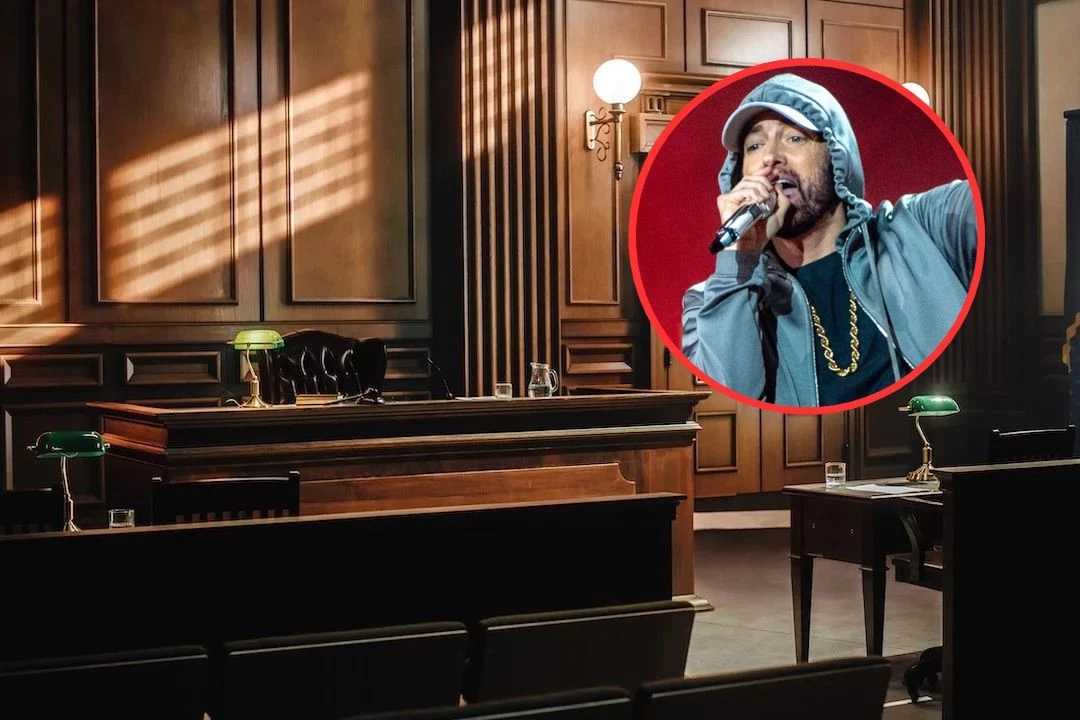
HangupsMusic.com – Detroit, MI – A significant breach of trust has culminated in a federal guilty plea, as Joseph Strange, a former sound engineer for rap superstar Eminem, has admitted to criminal infringement of copyright. The U.S. Attorney’s Office for the Eastern District of Michigan announced on Thursday, October 22nd, that Strange pleaded guilty in federal court to charges stemming from the unauthorized reproduction and sale of unreleased musical works belonging to the Detroit rapper, whose legal name is Marshall Mathers. Prosecutors allege that Strange exploited his privileged access to Eminem’s studio and personal archives to pilfer and subsequently market these private creations on the digital marketplace.
Assistant Attorney General A. Tysen Duva of the Justice Department’s Criminal Division issued a strong statement condemning Strange’s actions. "Joseph Strange abused a position of trust to unlawfully copy and sell unreleased music belonging to Eminem, profiting from works that were not yet authorized for public distribution," Duva stated. "His conduct undermined both legal and artistic rights. The Criminal Division remains committed to protecting intellectual property, holding accountable those who seek to profit from theft of creative content, and working with our law enforcement partners to deter and disrupt these crimes." This sentiment underscores the gravity of intellectual property violations within the music industry and the government’s resolve to prosecute such offenses.
The indictment details a lengthy tenure for Strange, who reportedly served as a sound engineer for Eminem from 2007 until 2021. This decade-and-a-half period would have granted him intimate familiarity with Eminem’s creative process and access to a vast library of audio files, including works in various stages of completion. The prosecution asserts that Strange engaged in illicit sales of at least ten unreleased tracks during a concentrated period between July and August of 2024, netting him a sum of $50,000. The discovery of these leaked tracks was reportedly initiated by an associate of Eminem, who alerted the Federal Bureau of Investigation (FBI) upon recognizing the unauthorized distribution. This alert triggered a comprehensive investigation that ultimately led to the charges against Strange.

The FBI’s investigation reached a critical juncture on January 28, 2025, when agents executed a search warrant at Strange’s residence. The raid yielded a trove of incriminating evidence, including original handwritten lyric sheets penned by Eminem and a significant quantity of recorded musical material. A search of a secured safe within the premises uncovered these valuable artifacts. Furthermore, authorities confiscated multiple hard drives, which investigators believe contain a wealth of audio tracks, some attributed to Eminem himself and others to his various collaborators, further solidifying the scope of the alleged theft.
Prosecutors have put forth an estimated valuation of the stolen intellectual property, suggesting that the infringement amount could be as high as $750,000. This figure reflects not only the commercial value of the unreleased music but also the potential damage to Eminem’s artistic control and the integrity of his future releases. Joseph Strange is currently slated for sentencing on January 27, 2027. He faces a maximum penalty of five years imprisonment for his admitted criminal infringement of copyright. The legal proceedings highlight the severe repercussions for individuals who betray professional trust and engage in the theft of creative works.
While Eminem’s representatives have been contacted for comment, no official statement has been released at this time. The case serves as a stark reminder of the vulnerabilities inherent in the digital age for artists and the stringent legal framework designed to protect their intellectual property. The availability of the criminal complaint against Joseph Strange offers a detailed account of the evidence and charges brought forth by the prosecution, providing further insight into the intricate investigation that led to his guilty plea. The legal ramifications for Strange underscore the importance of upholding copyright laws and the commitment of law enforcement to safeguarding the rights of artists and creators.
