
 By Azzam Bilal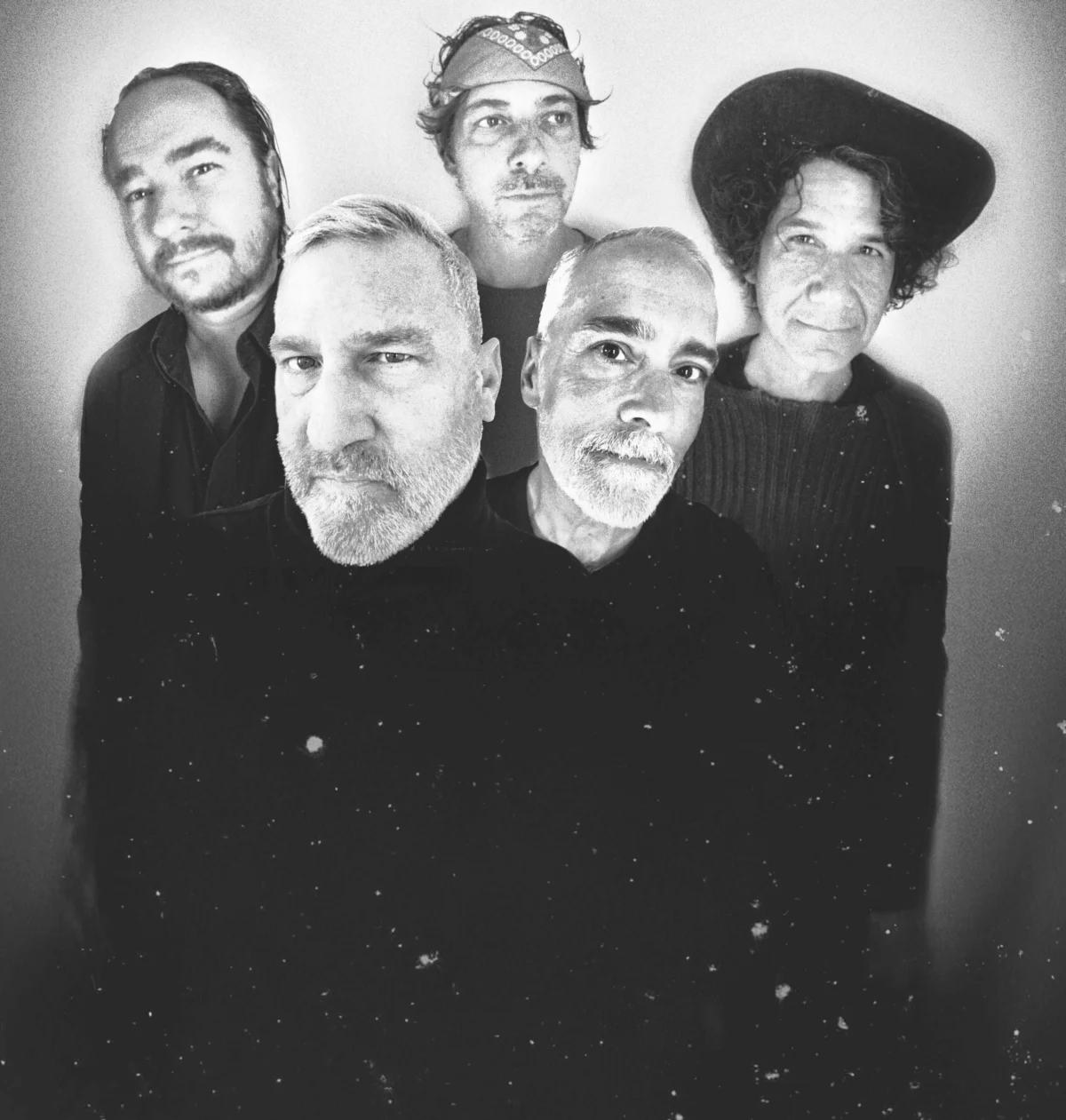
HangupsMusic.com – New Orleans, LA, The alternative rock landscape has always been defined by its outliers, those artists who refuse to adhere strictly to the conventions of the era, blending genres with a cinematic flair that defies easy categorization. For forty years, The Afghan Whigs have occupied this specialized niche, bridging the gap between the gritty intensity of post-punk and the soulful, heart-on-sleeve vulnerability of classic R&B. Today, the band marks a significant new chapter in their storied career with the release of "House of I," their first piece of original music in four years, signaling a creative resurgence that coincides with a major career milestone.
Produced and mixed by the band’s enigmatic frontman Greg Dulli alongside longtime collaborator Christopher Thorn, "House of I" arrives as a potent reminder of the group’s enduring chemistry. The track’s inception traces back to the humid, atmospheric streets of New Orleans, a city that has long served as a spiritual and creative home for Dulli. Recorded during the summer months, the song captures a specific kind of kinetic energy that Dulli was intentionally seeking. In statements accompanying the release, Dulli characterized the track as an "up-tempo banger," a description that aligns with the band’s historical ability to fuse high-octane rock rhythms with a dark, sophisticated melodicism.
The release of "House of I" follows a brief period of interpretive exploration for the band. Only a few months prior, the group shared a pair of covers that showcased their eclectic influences, but the arrival of original material suggests a focused movement toward a larger body of work. Indeed, the announcement of the single came with the confirmation that a full-length studio album—the successor to 2022’s critically acclaimed How Do You Burn?—is slated for release later this year. This upcoming project will be the band’s third full-length effort since their permanent reformation in the early 2010s, a period that has seen them produce some of the most consistent and well-received music of their career.
The timing of this new music is far from coincidental. The Afghan Whigs are preparing to embark on an extensive 40th-anniversary tour, a trek that serves as both a celebration of their longevity and a testament to their continued relevance in the indie-rock pantheon. Beginning next month, the band will traverse the North American continent, bringing their intense, soul-baring live performances to a wide array of iconic venues. Joining them for the entirety of this anniversary run is Mercury Rev, another veteran outfit known for their atmospheric and experimental approach to rock music. The pairing of these two bands creates a formidable double bill, offering audiences a deep dive into the evolution of American alternative music from the late 1980s to the present.
To understand the significance of this 40-year milestone, one must look back at the band’s origins in Cincinnati, Ohio. Formed in 1986, The Afghan Whigs emerged from a midwestern scene that was largely dominated by hardcore punk and straight-ahead college rock. However, from their earliest recordings, it was clear that Dulli and his bandmates were operating on a different frequency. While their peers were looking toward the loud-quiet-loud dynamics of the Pixies or the feedback-drenched landscapes of Sonic Youth, the Whigs were incorporating the influences of Motown, Stax, and 1970s soul. This "noir-rock" aesthetic became their calling card, characterized by Dulli’s lyrics of obsession, betrayal, and the darker corners of the human psyche.
The band’s ascent in the 1990s was marked by a series of albums that are now considered cornerstones of the era. After signing to the legendary Sub Pop label—the first non-Northwestern band to do so—they released Congregation in 1992, an album that refined their soul-inflected rock sound. This was followed by their major-label debut, Gentlemen (1993), a masterpiece of emotional turbulence that remains a definitive document of 90s alternative culture. Throughout that decade, the band continued to push boundaries with the cinematic Black Love and the polished, groove-heavy 1965, before disbanding in 2001.
The hiatus lasted over a decade, but the band’s influence only grew in their absence. When they finally reunited in 2012, it wasn’t merely a nostalgia exercise. The albums that followed—Do to the Beast (2014) and In Spades (2017)—proved that the band had lost none of their edge. The passing of longtime guitarist Dave Rosser in 2017 was a significant blow to the group, yet they persevered, with How Do You Burn? serving as a tribute to his memory and a showcase for the band’s evolving lineup.
The new single "House of I" appears to build upon the foundation laid by How Do You Burn?, while injecting a fresh sense of urgency. The involvement of Christopher Thorn in the production is noteworthy; Thorn, a member of Blind Melon and a seasoned producer, has become an integral part of the Whigs’ modern sound. His collaboration with Dulli ensures a sonic landscape that is both gritty and expansive, allowing the band’s veteran musicianship to shine through without sacrificing the raw energy that has always been their hallmark.
As the 40th-anniversary tour looms, the itinerary reflects the band’s deep roots in the American touring circuit. The tour kicks off on April 25 at the Bearsville Theater in Woodstock, New York, a location steeped in musical history. From there, the band will move through the Northeast, hitting legendary rooms like the 9:30 Club in Washington, D.C., and Webster Hall in New York City. A homecoming show of sorts will take place on May 6 at Bogart’s in Cincinnati, a venue that has hosted the band throughout every stage of their career.
The tour then heads west, with stops in Chicago, Minneapolis, and Denver, before reaching the Pacific Coast. The final leg of the journey includes dates at the Aladdin Theatre in Portland, The Fillmore in San Francisco, and a performance at The Bellwether in Los Angeles. The tour concludes in the California desert at the renowned Pappy & Harriet’s in Pioneertown on May 24. This diverse range of venues—from intimate clubs to historic ballrooms—mirrors the band’s own versatility and their ability to command any stage with their theatrical, high-intensity performances.
The inclusion of Mercury Rev as the opening act adds an extra layer of prestige to the tour. Emerging around the same time as the Whigs, Mercury Rev took a more psychedelic and symphonic path, particularly with their 1998 classic Deserter’s Songs. The contrast between the Whigs’ muscular, soul-drenched rock and Mercury Rev’s ethereal, dream-like soundscapes promises a nightly experience that covers a vast emotional and sonic spectrum.
For fans of The Afghan Whigs, this anniversary is more than just a celebration of the past; it is a validation of the band’s continued growth. In an industry that often prioritizes the new and the fleeting, Dulli and his cohorts have managed to maintain a career built on authenticity and a refusal to compromise their vision. "House of I" is a testament to that vision—a song that feels contemporary while remaining unmistakably a product of the Whigs’ unique DNA.
As the band prepares to hit the road and eventually unveil their next full-length album, the narrative of The Afghan Whigs remains one of resilience. They have survived the ups and downs of the music industry, personal tragedies, and the changing tides of popular taste, only to emerge in 2024 as a vital force in rock music. Whether they are exploring the sweltering heat of a New Orleans summer in the studio or commanding the stage of a packed theater, The Afghan Whigs continue to prove that four decades into their journey, they still have plenty of stories left to tell.
The upcoming months will likely see more details emerge regarding the new album, but for now, "House of I" serves as the perfect opening salvo. It is a track that demands attention, reminding listeners why The Afghan Whigs became icons in the first place: they provide the soundtrack for the late-night hours, the complicated relationships, and the moments of raw, unadulterated passion that define the human experience. With forty years behind them and a new horizon ahead, the band’s legacy is not just preserved—it is actively expanding.
