
 By Rose Miami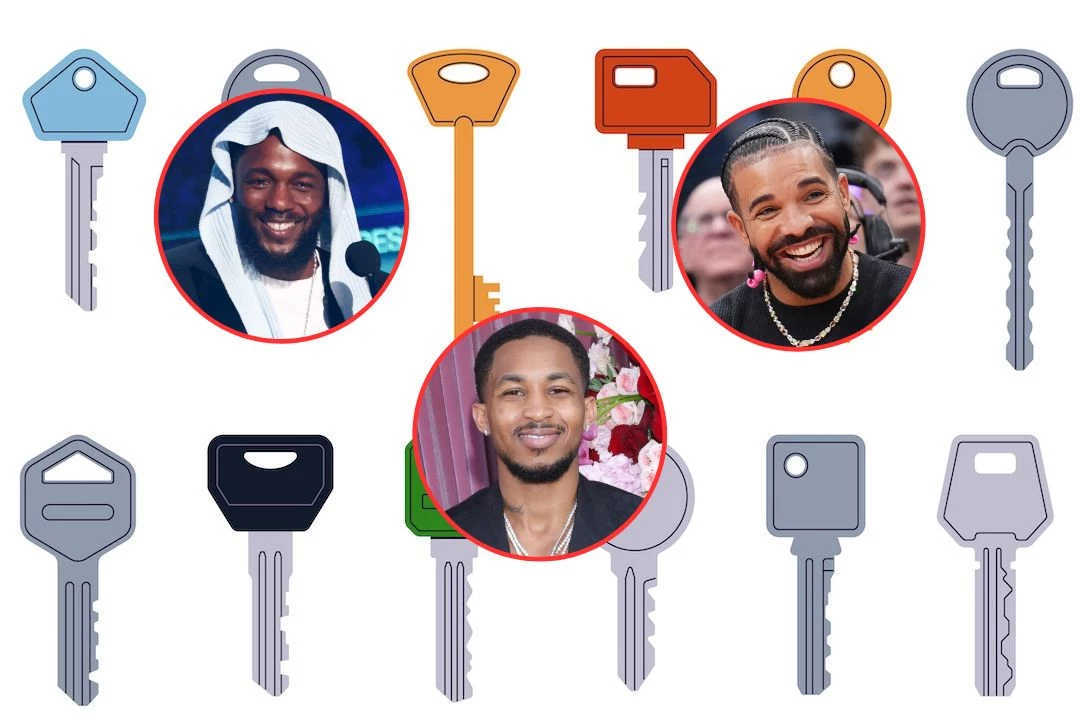
HangupsMusic.com – In the vibrant tapestry of urban culture, few gestures carry the weight of official civic endorsement quite like the bestowal of a "key to the city." This centuries-old tradition, once reserved for esteemed dignitaries and civic leaders, has evolved to recognize those who have profoundly impacted their communities, shaping the very spirit of their hometowns. In recent decades, the realm of hip-hop, a genre deeply rooted in community and self-expression, has seen many of its most influential figures celebrated with this prestigious honor. From pioneering DJs who laid the genre’s foundation to chart-topping artists and influential executives, the key to the city has become a powerful symbol of hip-hop’s indelible mark on the cultural landscape and its creators’ commitment to giving back.
The significance of a key to the city extends far beyond a ceremonial handshake and a symbolic piece of metal. It represents a profound acknowledgment of an individual’s positive influence and their contribution to the collective good. For artists who have risen from humble beginnings, often channeling their experiences and observations into powerful lyrical narratives, receiving such an honor from their hometown is a testament to their journey and their ability to inspire. It signifies that they are not only beloved by their fans but are also recognized by the very institutions of the places that shaped them. This recognition validates their artistic achievements, their philanthropic efforts, and their role as cultural ambassadors.
The genesis of hip-hop in the Bronx in the 1970s, spearheaded by pioneers like DJ Kool Herc, was intrinsically linked to the concept of community empowerment. The early days were characterized by block parties, cyphers, and a DIY ethos that fostered a sense of belonging and shared identity. This foundational principle of "doing good for the hood" has remained a cornerstone of hip-hop culture, influencing generations of artists to engage with their communities through charitable initiatives, mentorship programs, and the amplification of local voices. The key to the city, therefore, serves as a tangible representation of this reciprocal relationship between artists and their urban origins.
Across the United States, numerous cities have proudly presented their keys to artists who have not only achieved global fame but have also consistently championed their roots. In April of 2026, the city of Pontiac, Michigan, recognized the multifaceted talent of DDG, a popular rapper and streamer. His honor stemmed from his dedication to giving back to his hometown and his global representation through his innovative streaming platform and impactful music. DDG’s journey exemplifies how modern artists can leverage digital media to connect with and uplift their communities, earning them accolades that transcend traditional artistic achievements.
The global reach of hip-hop is perhaps most vividly illustrated by the recognition bestowed upon artists by their international fan bases and their home cities. In June of 2023, Toronto, the vibrant Canadian metropolis, presented its key to the city to Drake, a global music superstar and the driving force behind the OVO empire. Drake himself described the moment as "one of the greatest moments" of his illustrious career, underscoring the deep personal significance of receiving such an honor from the city that nurtured his artistic vision. His impact on Toronto’s cultural identity and its burgeoning music scene is undeniable, making this recognition a fitting tribute.
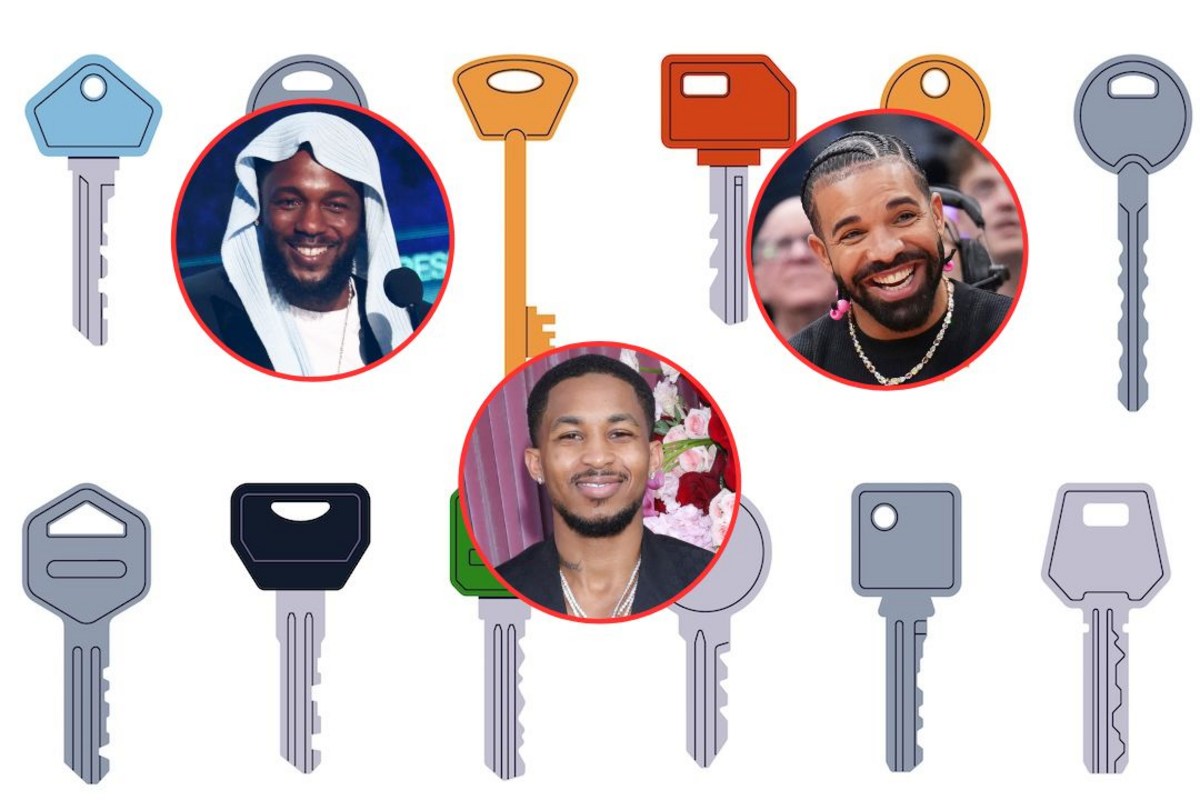
Further solidifying the connection between hip-hop artistry and civic pride, the city of Compton, California, a mecca for West Coast hip-hop, bestowed its time-honored award upon Kendrick Lamar in June of 2016. The Pulitzer Prize-winning artist was lauded as a "phenomenal artist whose work has served as a catalyst to raise a new level of consciousness for this generation." Lamar’s lyrical prowess and his unflinching exploration of social issues have resonated deeply, making him a powerful voice for his community and a beacon of inspiration for many. His artistry has not only entertained but has also sparked critical dialogue and fostered a greater understanding of the complexities of urban life.
The tradition of honoring artists with keys to the city is not limited to rappers. Hip-hop executives, producers, and influential figures behind the scenes have also been recognized for their contributions to the genre and their communities. These individuals, often working tirelessly to cultivate talent and shape the industry, play a crucial role in the ecosystem of hip-hop. Their dedication to mentorship, business innovation, and philanthropic endeavors often mirrors the commitment of the artists they support, earning them similar civic accolades.
The act of a city issuing a key to a hip-hop artist is more than just a symbolic gesture; it is a powerful statement about the genre’s cultural significance and its enduring legacy. It acknowledges that hip-hop, born from the streets, has matured into a global force that not only entertains but also educates, inspires, and empowers. These keys represent the tangible gratitude of communities for the artists who have given them a voice, celebrated their stories, and brought pride to their neighborhoods. As hip-hop continues to evolve, the tradition of honoring its pioneers and contemporary stars with keys to the city will undoubtedly persist, a testament to the genre’s profound and lasting impact.
The practice serves as a compelling reminder of hip-hop’s roots in social commentary and community building. Many artists who receive these keys have used their platforms to advocate for social justice, address systemic inequalities, and support local initiatives. Their music often reflects the realities of their upbringing, offering a raw and authentic perspective that resonates with millions. By awarding them keys to the city, municipalities are not just celebrating artistic talent; they are acknowledging the power of these artists to shape public discourse and inspire positive change.
From the foundational beats of DJ Kool Herc to the lyrical prowess of Kendrick Lamar and the global influence of Drake, the artists who have received keys to their cities represent a diverse spectrum of talent and impact. Their stories are woven into the fabric of urban America and beyond, demonstrating the genre’s ability to transcend geographical boundaries and connect with people from all walks of life. The key to the city, in this context, becomes a symbol of this profound connection, a tangible representation of an artist’s unwavering commitment to their community and their indelible mark on the cultural landscape. As the hip-hop world continues to flourish, we can expect to see many more of its luminaries receive this ultimate form of civic recognition, celebrating their contributions to music and their unwavering dedication to the places they call home. The ongoing recognition by cities solidifies hip-hop’s place not just as a musical genre, but as a vital cultural force that shapes identities, fosters community, and inspires generations.
