
 By admin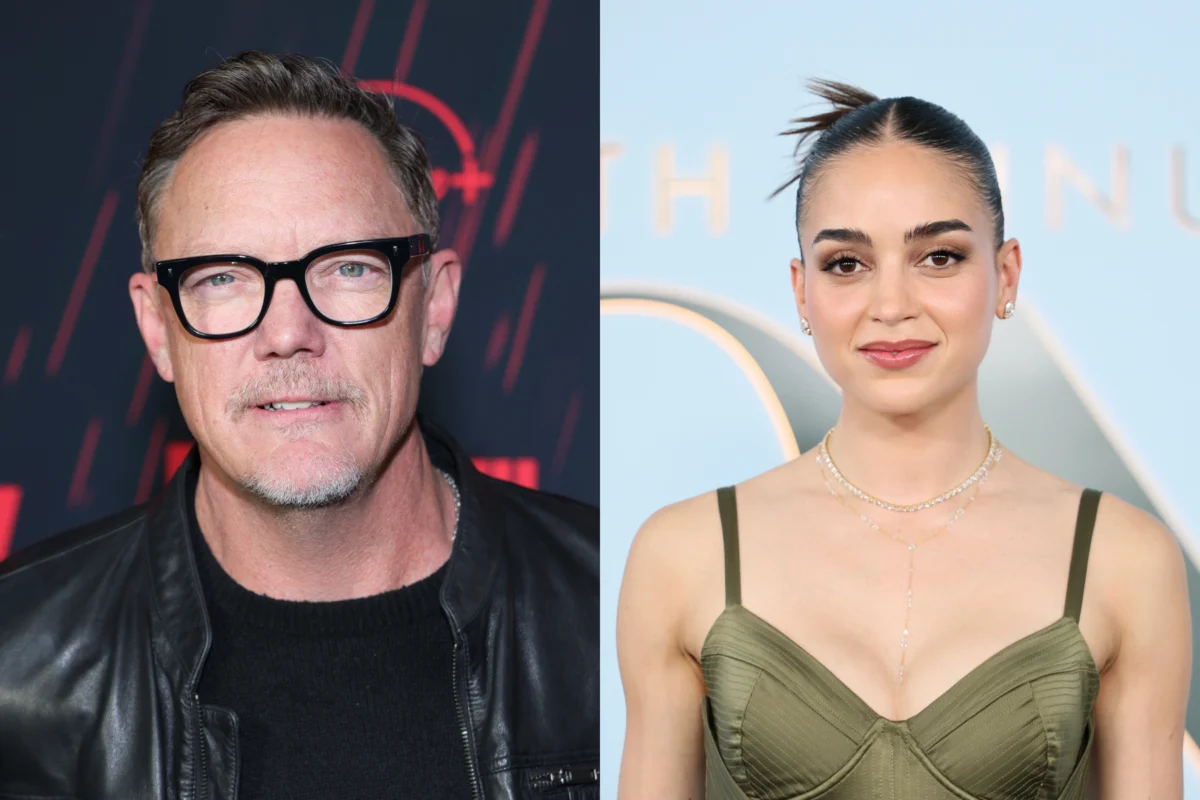
HangupsMusic.com – Los Angeles, The landscape of Hollywood, increasingly intertwined with global socio-political discourse, has once again been spotlighted through the candid reflections of veteran actor Matthew Lillard. Known for his iconic portrayal of Stu Macher in the original Scream film, Lillard recently expressed profound "embarrassment" and "shame" over his decision to reprise his role in the latest installment of the beloved slasher series, Scream 7. His discomfort stems directly from the controversial dismissal of lead actress Melissa Barrera in late 2023, a move by the film’s production company, Spyglass Media Group, following her vocal support for Palestine. Lillard’s public acknowledgment offers a rare glimpse into the complex ethical tightrope actors must walk between personal conviction and professional opportunity, highlighting the high stakes involved in navigating a politically charged industry.
Lillard’s return to the Scream universe as Stu Macher, a character whose fate had been debated by fans for decades, was initially met with considerable excitement. Macher, one of the original Ghostface killers, was seemingly killed at the end of the 1996 slasher classic. However, persistent fan theories and Lillard’s own playful hints over the years kept the possibility of his survival, or at least a symbolic return, alive. For many devotees, the idea of Lillard stepping back into the franchise, particularly after the successful "requel" approach that brought back original stars like Neve Campbell and Courteney Cox, represented a full-circle moment, a nod to the series’ enduring legacy and a potential for fresh narrative avenues. This enthusiasm, however, became complicated by the preceding events that shook the franchise’s foundations.
Melissa Barrera had quickly become the new face of the Scream franchise, anchoring the 2022 reboot and its 2023 sequel, Scream VI, as Sam Carpenter. Her character, the secret daughter of original killer Billy Loomis, brought a compelling new dimension to the narrative, exploring themes of inherited trauma and the struggle against a dark legacy. Barrera’s performance was widely praised, revitalizing the series and attracting a new generation of fans while respecting the established lore. Her sudden and unceremonious removal from Scream 7 therefore sent shockwaves through the fan community and the industry at large, creating an immediate and undeniable cloud over future productions.
The controversy ignited when Barrera utilized her social media platforms to express solidarity with Palestine amidst the escalating conflict in late 2023. Her posts, which included strong criticisms of the Israeli government’s actions, quickly drew the attention of Spyglass Media Group. In a public statement, the production company asserted a "zero tolerance for antisemitism or the incitement of hate in any form," directly attributing Barrera’s termination to these principles. This move by Spyglass was part of a broader trend within the entertainment industry where public figures speaking on the highly sensitive Israel-Palestine conflict faced swift repercussions, ranging from job losses to widespread public condemnation. The incident underscored the perilous ground artists navigate when their personal convictions intersect with corporate interests and global geopolitics.
Barrera, in turn, released her own statement following her dismissal, reaffirming her stance and commitment to speaking out against injustice. "Silence is not an option for me," she declared, emphasizing her condemnation of "Anti-Semitism and Islamophobia," and "hate and prejudice of any kind against any group of people." As a proud Latina and Mexicana, she felt a profound responsibility to use her platform to raise awareness and lend her voice to those in need, highlighting a deeply personal and ethical framework for her actions. Her resolute response further amplified the discourse around freedom of speech, artistic integrity, and the boundaries of corporate control over public figures’ personal expressions.
Lillard’s recent comments, made during a reflective audience Q&A session at a 30th-anniversary screening of the original Scream, delve into this very dilemma. When asked about the challenges actors face in speaking up politically, Lillard didn’t mince words. He articulated his personal imperative, rooted in his identity as a parent of queer children, to advocate for marginalized communities, including the LGBTQ+ community and those affected by immigration policies like ICE. "If I’m not standing up for queer kids or kids in the trans community, then what the fuck am I doing?" he questioned, underscoring a consistent personal commitment to social justice that predates the Scream controversy.
It was against this backdrop of personal principle that Lillard addressed Barrera’s situation, calling her firing "fucking bullshit" and asserting that she was "on the right side of history." He lamented the lack of widespread industry support for Barrera at the time, suggesting she was "a year early on what the fuck’s going on" – a prophetic nod to the evolving global conversation surrounding the conflict. This reflection directly led to his confession of personal regret regarding his decision to rejoin Scream 7.
"I went back to do Scream, and I got called out," Lillard admitted, acknowledging the public criticism he received for participating in a project from which Barrera had been unjustly removed. "And I’m like, ‘Oh, fuck. That’s brutal.’ I feel bad about that. I feel ashamed about that. Because in that moment I was so excited to go back, I didn’t really think about Melissa and that journey. I didn’t say no. I’m embarrassed. That’s the truth… I blew that. I’m on the wrong side of history for that. I still like being in the movie [but] it may not have been the best idea." This raw honesty resonated deeply, revealing the inner conflict between career ambition and moral alignment. His statement is a testament to the complex pressures faced by artists, where the allure of a significant role, especially one tied to a beloved character and franchise, can momentarily overshadow broader ethical considerations.
Lillard’s candor highlights a critical conversation within Hollywood: at what point does an artist’s personal conviction supersede their professional obligations or desires? His admission of "being on the wrong side of history" for not standing in solidarity with Barrera by declining the role is a powerful self-critique. It acknowledges the collective responsibility within the industry to support colleagues who face professional repercussions for their political expressions, particularly when those expressions align with broader human rights advocacy. The incident, therefore, transcends a mere casting decision, becoming a touchstone for discussions on complicity, integrity, and the true cost of silence in an era demanding moral clarity.
The ripple effects of Barrera’s firing and Lillard’s subsequent confession extend beyond the individual actors, raising questions about the future trajectory of the Scream franchise itself. With its lead actress gone and a key returning star grappling with moral regret, the series faces an uphill battle in maintaining its narrative integrity and fan loyalty. Lillard’s honesty, while painful, contributes to a vital dialogue about accountability in the entertainment industry, urging both artists and production companies to consider the broader ethical implications of their decisions in an increasingly polarized world. His words serve as a stark reminder that in the intersection of art and activism, the choices made on screen are often inextricably linked to the principles upheld—or compromised—off screen.
