
 By Rose Miami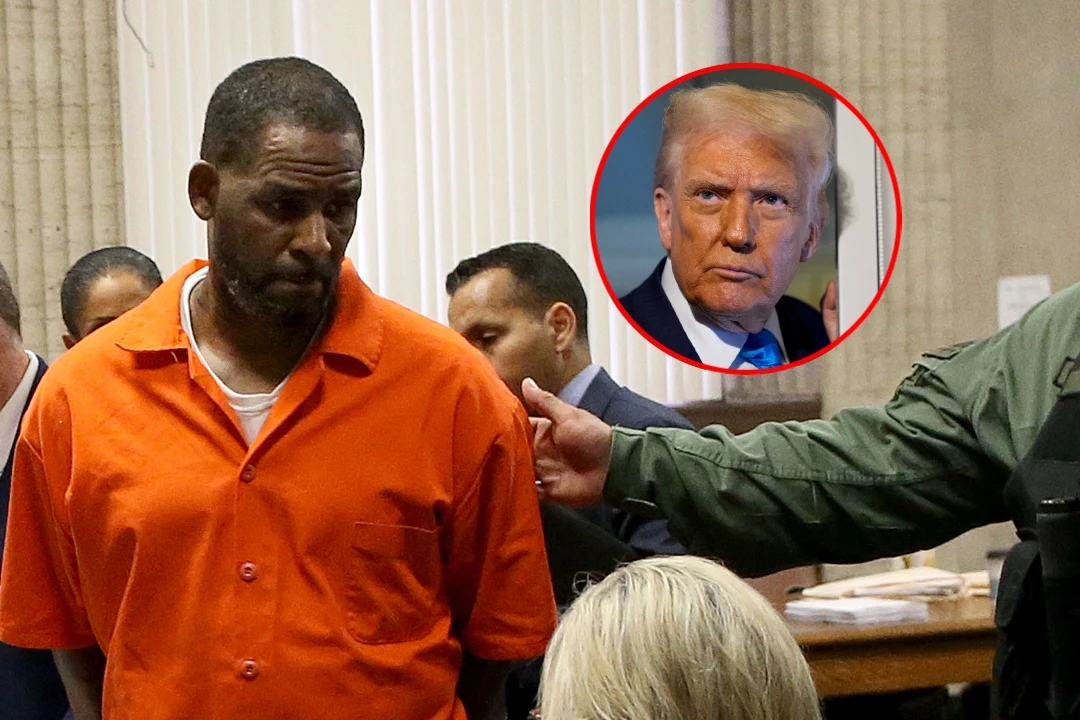
HangupsMusic.com – In a remarkable and audacious move, imprisoned R&B superstar R. Kelly has reportedly submitted a formal request to President Donald Trump, seeking a commutation of his 30-year prison sentence. The plea, directed through the Department of Justice’s Office of the Pardon Attorney, marks a significant escalation in the legal battles surrounding the embattled artist. The news, first reported by the Chicago Tribune, highlights the extraordinary lengths to which Kelly and his legal team are going in their pursuit of freedom.
This latest development comes over a year after Kelly’s attorney, Beau Brindley, publicly voiced concerns about the singer’s safety within the correctional system. Brindley had previously alleged that prison officials were complicit in a plot to have Kelly murdered by a member of the Aryan Brotherhood, a claim he stated was aimed at silencing the singer and preventing the exposure of alleged misconduct by those involved in his convictions. At that time, Brindley had also made an informal appeal to President Trump, requesting immediate release for Kelly and placement under home detention, citing an imminent danger to his life. "R. Kelly does not have the time, with his life in danger, to go through the normal channels," Brindley had stated, underscoring the urgency of his client’s perceived predicament.
R. Kelly is currently serving a substantial 30-year sentence at the Federal Correctional Institution (FCI) in Butner, North Carolina. This sentence stems from his convictions in separate trials held in 2022, where he was found guilty of racketeering, sex trafficking, and sex crimes against minors. The judge in his New York trial handed down the 30-year sentence, a significant blow to the artist’s hopes of avoiding lengthy incarceration. His projected release date is January 31, 2045, when he will be 78 years old. The gravity of this sentence has prompted a series of legal maneuvers, with this clemency request representing the most high-profile to date.
The clemency process, while outlined in the U.S. Constitution, is notoriously difficult to navigate and even more challenging to secure. Article II, Section 2 of the Constitution grants the President the power "to grant Reprieves and Pardons for Offenses against the United States, except in Cases of Impeachment." Historically, presidential pardons and commutations are typically reserved for individuals who have demonstrated significant rehabilitation, expressed genuine remorse, or where there is a demonstrable injustice in their conviction or sentencing. The Office of the Pardon Attorney acts as a gatekeeper, thoroughly reviewing each petition before forwarding recommendations to the White House. The sheer volume of requests and the rigorous vetting process mean that only a small fraction are ultimately granted.

For R. Kelly, the path to a presidential pardon or commutation is fraught with significant obstacles. His convictions, particularly those related to sex crimes against minors and sex trafficking, have garnered widespread public attention and condemnation. The testimonies of his accusers, often detailing years of alleged abuse and exploitation, have deeply impacted public perception and legal proceedings. In such high-profile cases, especially those involving allegations of sexual misconduct, presidents often exercise extreme caution when considering clemency. The political ramifications and public outcry can be substantial, making any decision a matter of intense scrutiny.
Furthermore, the claims made by Brindley regarding threats to Kelly’s life within prison, while alarming, may not directly influence the decision-making process for a presidential commutation of sentence. While the safety and well-being of incarcerated individuals are paramount concerns for the Bureau of Prisons, such allegations are generally handled through internal disciplinary and security protocols. A clemency request typically focuses on the merits of the conviction, the sentence itself, and the offender’s conduct and rehabilitation post-conviction. The argument that Kelly’s life is in danger, while a compelling narrative for immediate action, might be viewed as separate from the legal grounds for reducing his sentence.
The involvement of President Trump in any potential clemency decision is also a noteworthy aspect. Throughout his presidency, Trump utilized his pardon power extensively, often granting clemency to individuals with personal connections or those whose cases resonated with his populist appeal. However, these decisions were frequently met with controversy and accusations of favoritism. Whether a clemency request from a figure as polarizing as R. Kelly, particularly in light of his convictions, would align with the President’s political calculus is a matter of speculation. The timing of such a request, potentially within the final months of an administration or during a contentious election cycle, could also influence the ultimate decision.
The legal team representing R. Kelly has consistently pursued a multi-pronged strategy to challenge his convictions and sentence. Beyond the clemency request, appeals processes are typically underway or being considered, aiming to overturn verdicts or reduce sentences based on legal arguments and procedural errors. However, the initial convictions, stemming from extensive evidence presented in court, have so far held firm. The formal submission of a clemency request signifies a shift towards seeking executive intervention, bypassing the traditional appellate channels.
It remains to be seen how the Office of the Pardon Attorney will process this request and what recommendation, if any, will be forwarded to the White House. The sheer weight of the convictions, the nature of the crimes, and the public sentiment surrounding R. Kelly’s case present formidable challenges to any plea for clemency. This latest move underscores the desperation of an artist facing a long and arduous prison term, but the likelihood of presidential intervention remains exceptionally low given the complexities and sensitivities involved.
