
 By Azzam Bilal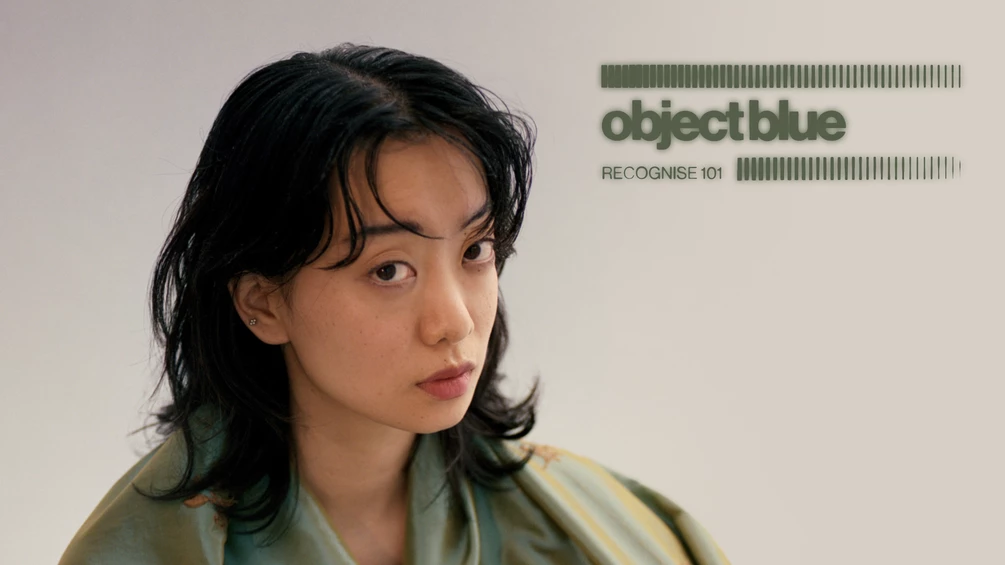
HangupsMusic.com – London, The trajectory of electronic music is rarely a linear ascent; more often, it is a series of fits and starts, punctuated by periods of intense visibility and quiet introspection. For the London-based producer and DJ known as object blue, the path from a breakout experimentalist in 2018 to the release of her definitive debut album in late 2025 has been defined by this very duality. Eight years after her debut EP, Do you plan to end a siege?, sent ripples through the underground with its fractured rhythms and abstract textures, the artist has emerged from a period of self-imposed silence with a renewed sense of purpose. Her latest project, what resembles the grave but isn’t, serves as both a musical triumph and a testament to the psychological endurance required to navigate the modern creative landscape.
When object blue first entered the public consciousness, she was part of a cohort of producers dismantling the rigid structures of techno and house. Her early work on the TT label arrived at a serendipitous moment when dance floors were increasingly hospitable to "deconstructed" sounds—music that favored jagged edges, unexpected bass weight, and high-concept sound design. However, as the initial momentum of her early career met the stagnant reality of the global pandemic and the subsequent shifting economics of the music industry, the producer found herself facing a profound creative paralysis. The gap between her 2021 EP, Grotto, and her debut long-player became a chasm filled with the friction between artistic ambition and the cold reality of financial survival.
The resulting album, what resembles the grave but isn’t, is a multifaceted exploration of this period of uncertainty. Across its eight tracks, object blue manages to weave together disparate threads of her musical identity: the metallic, industrial-leaning percussion of her club roots; the intricate, granular textures of IDM; and a surprising, deeply moving infusion of classical motifs. It is a record that demands attentive listening, moving seamlessly from boisterous, bass-heavy energy to submerged vocal samples and delicate synthetic orchestration. The album’s title, borrowed from the work of American poet Anne Boyer, reflects a theme of survival—of falling into metaphorical holes that threaten to swallow one’s identity, yet ultimately failing to become a final resting place.
The road to completing the LP was far from smooth. Following the success of Grotto, object blue describes a period of intense writer’s block, fueled by the self-imposed pressure to create a "perfect" debut that encapsulated her entire technical repertoire. This creative freeze was exacerbated by a decline in bookings, a common struggle for experimental artists in an increasingly consolidated touring market. The collision of these factors led to a significant shift in her perspective on the "professional" musician’s life. In a move that is strikingly candid for an artist of her stature, she eventually chose to take a hospitality job to alleviate the financial burden of her music career.
This decision, far from being a sign of defeat, became the catalyst for her creative liberation. By separating her livelihood from her art, object blue found she could once again approach the studio without the paralyzing fear of commercial failure. She has been vocal about this transition, emphasizing that her ability to survive during this period was also tied to her middle-class background and the stability of living in her mother’s flat. This level of transparency regarding class and financial privilege is rare in an industry that often prefers to market "starving artist" narratives or maintain an illusion of effortless success. For object blue, honesty about these structural advantages is essential to a broader critique of the inequalities inherent in the contemporary arts.
The music itself benefited from this newfound psychological breathing room. Early versions of the album tracks were reportedly dense and overworked, but through the feedback of her wife and close collaborators, the producer began to embrace "the power of less." The final versions of tracks like "galalith" and "the fool" exhibit a masterful use of space, allowing rhythmic motifs to breathe and lock into hypnotic grooves. While object blue has often claimed to struggle with traditional melody, the album is surprisingly melodic, albeit in a rhythmic, percussive sense. This is perhaps most evident on the closing track, "all the world’s a stage," where a synthetic chamber ensemble gives way to a delicate piano line—a piece of music that the producer describes as a dialogue with her 13-year-old self.
Interestingly, the album also reveals her deep-seated roots in classical composition. The closing track features harmonic progressions and string arrangements inspired by a movement from Stravinsky’s The Rite of Spring. This blending of high-modernist classical influences with cutting-edge electronic synthesis provides the album with a timeless quality, anchoring its experimentalism in a long lineage of avant-garde thought. It is a reminder that while object blue is firmly rooted in the London club scene, her sonic vocabulary extends far beyond the four-to-the-floor grid.
A significant part of her recovery from creative block can be attributed to her long-running NTS Radio show, MAKE-BELIEVE. The show provided a necessary structure during months when her own production had stalled, forcing her to remain engaged with the wider ecosystem of electronic music. She admits that a major error during her period of paralysis was retreating from music as a listener, fearing that external influences might lead to unconscious plagiarism or distraction. Reconnecting with the joy of being a fan—buying releases on Bandcamp and seeking out new sounds—proved to be the final piece of the puzzle. It reminded her that music is a conversation rather than a vacuum, and that her voice was a vital part of that ongoing dialogue.
Now, with the album released to critical acclaim and her creative confidence restored, object blue is reasserting her presence in the club environment. Her recent contributions to the Recognise series showcase a producer who has not lost her appetite for the dance floor. The accompanying mix is a high-octane excursion through contemporary club music, featuring tracks from TSVI, RHR, Hassan Abou Alam, and Authentically Plastic. It is a selection that mirrors her own production style: rhythmically complex, sonically adventurous, and unapologetically physical. The mix serves as a statement of intent, signaling her return to the DJ booth with a perspective that is more grounded and resilient than ever before.
Looking forward, the story of object blue in 2026 is one of recalibration. She has navigated the precarious transition from "rising star" to established artist by embracing the complexities of her own life and the industry at large. By rejecting the pressure to be a full-time "content creator" and instead focusing on the craft of sound, she has produced a body of work that feels both personal and universal. what resembles the grave but isn’t is more than just a collection of tracks; it is a document of a woman who found her way out of the dark by turning the lights on the structures that surround her. As she returns to the club circuit, she does so not just as a DJ, but as an artist who has survived the void and found a more sustainable way to shine.
