
 By Rose Miami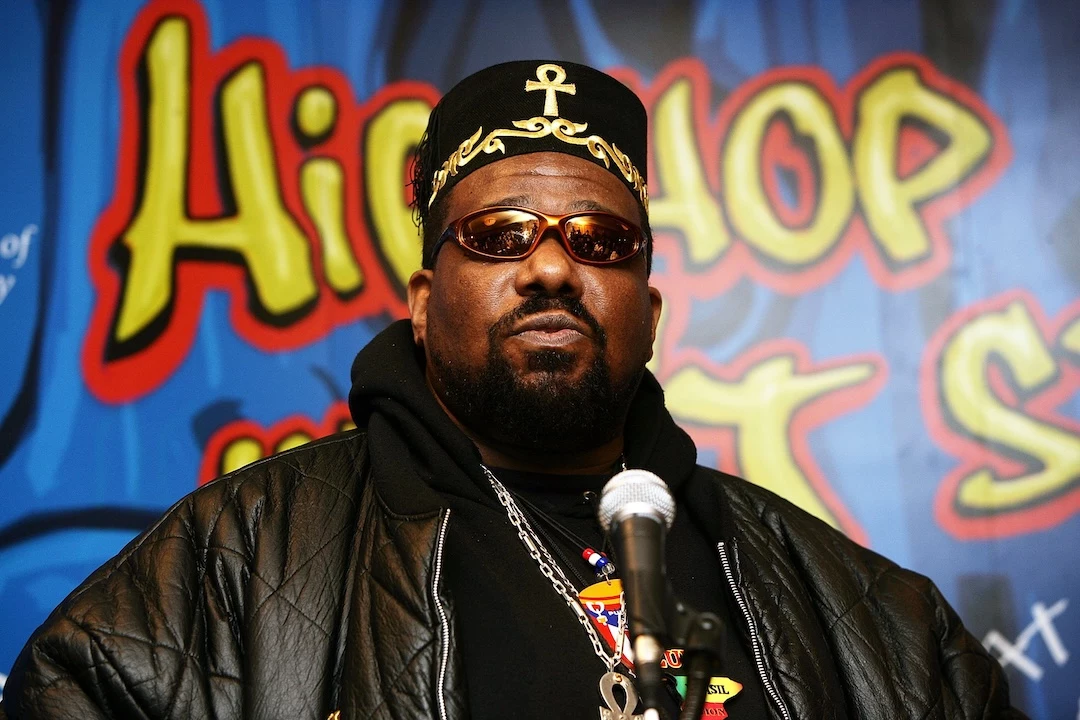
HangupsMusic.com – The world of music and culture is in mourning following the confirmed passing of Afrika Bambaataa, a towering figure widely revered as the "Godfather of Hip-Hop." Bambaataa, born Lance Taylor, died in Pennsylvania at the age of 68, succumbing to prostate cancer. His talent agency, Naf Management Entertainment, released a statement acknowledging the profound void left by his absence, emphasizing that "Hip Hop will never be the same without him—but everything hip hop is today, it is because of him." This sentiment highlights the indelible mark he left on a genre and a culture that has since transcended its origins to become a global phenomenon. His spirit, the statement continued, "lives in every beat, every cypher and every corner of this globe he touched."
Afrika Bambaataa’s journey from the tumultuous streets of the Bronx to becoming a globally recognized cultural icon is a narrative deeply intertwined with the very genesis of hip-hop. Born in 1957 in the Bronx, Lance Taylor’s early life was shaped by the social and economic realities of post-industrial New York City. In his youth, he rose to prominence as a leader of The Black Spades, a formidable street gang. However, Bambaataa possessed a vision that extended far beyond the confines of gang warfare. He channeled the energy and discipline of his past into the formation of the Universal Zulu Nation in 1973. This groundbreaking organization was conceived not as a force for division, but as a unifying movement. Bambaataa sought to bring together the burgeoning elements of hip-hop culture – the DJs, the MCs, the B-boys and B-girls, and the graffiti artists – under a banner of peace, creativity, and community empowerment. The Zulu Nation became a vital hub for artistic expression and social cohesion, offering a positive alternative to the violence and despair that permeated some urban environments.
Throughout the 1970s, Bambaataa became a legendary figure for his electrifying block parties held in the South Bronx. These gatherings were more than just musical events; they were incubators of a new culture, where sonic innovation and artistic collaboration flourished. His early foray into recorded music came with the release of "Zulu Nation Throwdown" in 1980, a track that served as an anthem for his devoted followers and the broader Zulu Nation movement. However, it was in 1982 that Afrika Bambaataa cemented his legacy with the release of "Planet Rock." This seminal track was a masterful fusion of disparate musical elements, most notably incorporating the distinctive melodies from German electronic pioneers Kraftwerk’s "Trans-Europe Express" and "Numbers," along with the percussive drive of Captain Sky’s "Super Sperm." The result was a revolutionary sound that not only became a cornerstone of hip-hop but also propelled the nascent genre of electro-funk into the mainstream consciousness. "Planet Rock" was more than just a song; it was a sonic blueprint, inspiring countless artists and solidifying Bambaataa’s reputation as a visionary innovator.
Beyond "Planet Rock," Bambaataa’s catalog boasts a string of influential tracks that became staples in clubs and on radio waves. Songs like "Looking for the Perfect Beat," "Renegades of Funk," and the James Brown-assisted "Unity" further showcased his eclectic musical palate and his ability to craft anthems that resonated deeply with audiences. His early recordings were primarily released on the historic Tommy Boy Records, a label that played a crucial role in the development and popularization of hip-hop music. Tommy Boy Records paid tribute to Bambaataa on their Instagram page, stating, "Afrika Bambaataa was an influential figure in Tommy Boy’s early days and widely considered a pioneer of hip-hop and electro music. With his passing, we reflect on his contributions to the genre and broader culture, which continue to this day."
Afrika Bambaataa’s profound impact on music and culture was, however, complicated by serious allegations that surfaced in 2016. Several men accused the DJ-producer of sexual assault dating back decades. These accusations led to significant repercussions, including his removal as the leader of the Universal Zulu Nation in May 2016. The organization subsequently issued an apology to the victims of the alleged abuse. While Bambaataa consistently denied the allegations, the legal ramifications continued. In May 2025, he was compelled to pay an undisclosed settlement to an anonymous accuser who alleged sex trafficking in the 1990s. A judge granted a default judgment in favor of the accuser due to Bambaataa’s failure to appear in court. These allegations cast a shadow over his otherwise celebrated legacy, prompting a complex and often painful reckoning within the hip-hop community.
Despite these controversies, the enduring influence of Afrika Bambaataa’s pioneering work remains undeniable. Public Enemy frontman Chuck D, a prominent voice in hip-hop, took to his X account to share his reflections. He wrote, "Fact and Truth. One of the founders of HipHop. Im Keeping it to the culture and thankful for the grace he gave me and my crew. And the accomplishments that so many built upon. I’ll leave it there… ..as I was always taught …Never be quick to condemn and always be slow to judge. #RestInBeats." Chuck D’s statement encapsulates a sentiment shared by many who acknowledge both Bambaataa’s immense contributions and the gravity of the accusations leveled against him, advocating for a nuanced perspective that honors his artistic legacy while not dismissing the experiences of his alleged victims.
Throughout his illustrious career, Afrika Bambaataa received numerous accolades that underscored his significance. He was nominated for the Rock & Roll Hall of Fame in 2007, a testament to his lasting impact on popular music. Furthermore, his intellectual contributions were recognized with a three-year tenure as a visiting scholar at Cornell University, where he shared his insights and experiences with a new generation of students. His presence at the university highlighted his role not just as a musician, but as a cultural historian and educator.
Afrika Bambaataa’s legacy is a multifaceted one, encompassing groundbreaking musical innovation, the establishment of a global cultural movement, and the complex, challenging realities of personal accountability. His passing signifies the end of an era, but the echoes of his revolutionary sounds and his vision for a unified culture will continue to reverberate through the heart of hip-hop and beyond.
