
 By admin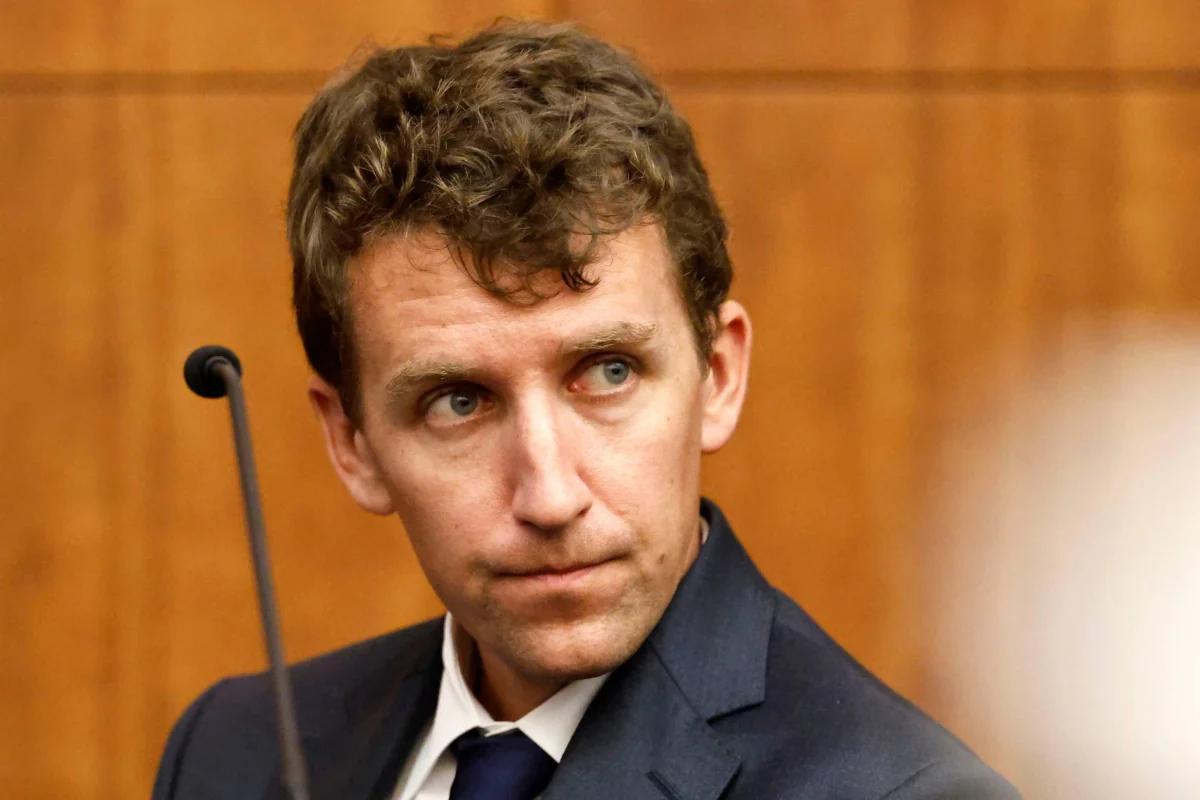
HangupsMusic.com – Plymouth, Massachusetts, saw the commencement of a deeply harrowing trial this week, as Lindsay Clancy, a Massachusetts mother, stands accused of the murders of her three young children. The proceedings, which began with the poignant testimony of her estranged husband, Patrick Clancy, have brought to the fore a complex and tragic narrative centered on claims of severe postpartum psychosis. The case, unfolding in a Boston suburb, has captivated public attention, drawing focus to the delicate intersection of mental health, maternal responsibility, and the justice system.
Prosecutors allege that in 2023, Clancy strangled her three children – Cora, aged five; Dawson, three; and eight-month-old Callan – to death within their family home. While Clancy has not disputed the physical act of killing her children, her defense pivots entirely on her mental state at the time. Her legal team, supported by Patrick Clancy, asserts that she was suffering from postpartum psychosis, a severe and relatively rare psychiatric condition that can manifest after childbirth, leading to delusions, hallucinations, and a profound break from reality, according to medical literature such as that published by the National Institutes of Health. The defense intends to argue that Clancy was not criminally responsible for her actions due to this profound mental illness, seeking an insanity defense.
The trial’s opening moments were dominated by Patrick Clancy’s emotional account, painting a picture of a loving family gradually consumed by the deepening shadow of his wife’s deteriorating mental health. Although married at the time of the children’s deaths, Patrick and Lindsay have since divorced, with Patrick having reportedly remarried. His testimony is crucial, offering an intimate perspective on Lindsay’s struggles, which he believes ultimately led to the unthinkable tragedy.
Patrick Clancy’s testimony, detailed by outlets such as NBC Boston, meticulously traced Lindsay’s mental and physical well-being following the birth of each of their children. He described an escalating pattern of anxiety, particularly as her maternity leaves concluded and the prospect of returning to her demanding work as a labor and delivery nurse loomed. After the birth of their youngest, Callan, Lindsay did not return to work, a decision that, in hindsight, marked a significant shift in their family dynamic and her mental state. Patrick articulated the immense pressure she faced, balancing the diverse needs and demanding schedules of three young children. "There were days when she had all three kids, different nap schedules, different needs. It was just really stressful," he testified, underscoring the relentless strain that can accompany early motherhood, especially with multiple young dependents.
Adding another layer of complexity to the legal battle, both Lindsay and Patrick Clancy have filed separate civil lawsuits earlier this year. These lawsuits target her medical providers, alleging a critical failure to accurately diagnose, effectively treat, and adequately monitor what they contend was a severe and rapidly worsening postpartum psychiatric condition. These civil claims underscore the family’s belief that external factors, specifically the healthcare system’s alleged shortcomings, contributed to the tragic outcome.
As reported by CBS News, Patrick’s testimony continued to delve into the alarming progression of Lindsay’s illness. By the autumn of 2022, he recounted, "she kept getting worse and worse." Dissatisfied with her current psychiatric care, Lindsay sought a new provider, hoping for a more effective course of treatment. This transition brought new medications into their home, signaling a desperate search for relief from her mounting despair.
However, the efficacy of this new treatment regimen quickly became a point of contention during the trial. Prosecutor Jennifer Sprague probed Patrick Clancy on the issue of medication adherence, suggesting that Lindsay may not have been consistently taking her prescribed pills. "There were a lot of pills prescribed, but not a lot of pills taken, correct?" Sprague pressed, aiming to establish a potential gap between prescribed treatment and actual compliance, which could undermine the defense’s claims of uncontrollable mental illness despite medical intervention. Patrick conceded that by Thanksgiving 2022, Lindsay was in a visibly dire state: "in rough shape, not talking much, low energy, really depressed." This period marked a significant decline, where her once vibrant personality seemed to recede into a pervasive gloom.
The situation escalated dramatically in December 2022, a period Patrick described as the beginning of her "big spiral" after she switched to yet another new medication. He observed a rapid and alarming deterioration: "She started to lose a lot of weight, she became really depressed and was having a hard time. She started to say she was suicidal." This admission of suicidal ideation signaled a critical turning point, indicating the severe depths of her despair.
During this same harrowing month, Lindsay confided in Patrick about experiencing intrusive thoughts – disturbing images and urges related to harming their children. This revelation, a hallmark symptom of severe postpartum mental illness, understandably alarmed Patrick. Yet, when he directly questioned her about whether she felt she needed to be separated from the children for their safety, Lindsay reportedly denied it. Patrick’s testimony conveyed his profound confusion during this period: "It was very confusing because the next minute she was making them lunch or putting them to bed." He stressed that despite her verbal admissions, he "never saw Lindsay harm the kids," highlighting the insidious nature of mental illness that can manifest internally without immediate external signs of danger to others.
The severity of her condition necessitated professional intervention. Patrick testified that Lindsay was admitted to Massachusetts General Hospital in Boston. Following recommendations from two attending physicians, she was then transferred to a day program in Providence, a more intensive outpatient treatment setting. However, her struggles persisted, leading her back to the emergency room on December 31, 2022, with renewed concerns about suicide. She subsequently received further treatment at McLean Hospital, a renowned psychiatric facility. In a testament to her persistent desire to engage with her family life, Lindsay requested to be discharged from McLean to attend her daughter’s birthday party, a request that was granted on January 5, 2023.
In the days leading up to the tragedy, Patrick’s account suggested a brief, deceptive period of apparent improvement. As recounted by NBC Boston, on January 16, 2023, while he was skiing with Cora, they exchanged photos of the children. Patrick noted that Lindsay’s "mood seemed better, she was more active and was able to partake in more things." This fleeting sense of normalcy extended to the weekend before the children’s deaths, when Lindsay’s parents visited. Although she remained somewhat quieter than usual, Patrick recalled a text from her mother indicating that Lindsay appeared to be doing better.
The day of January 24, 2023, the date of the horrific events, was described by Patrick as "one of her best days." Crucially, he testified that there was no mention of suicidal thoughts that day. In the afternoon, Lindsay suggested they order takeout for dinner, a seemingly innocuous suggestion that led Patrick to leave the house to pick up the food.
His final moments with his children were etched into his memory with agonizing clarity. "I took Callan for a minute, I walked him by my knees, I kissed Cora on the head and I said, ‘Be right back.’" He remembered Dawson contentedly eating chicken nuggets on the couch, and Lindsay holding Callan in the doorway to the basement as he departed. This image of domestic tranquility stands in stark, chilling contrast to the horror that unfolded moments later.
While Patrick was gone, prosecutors contend that Lindsay Clancy took her three children to the basement and, using exercise bands, tragically strangled them to death. In the immediate aftermath, Clancy reportedly jumped from a window, sustaining injuries that resulted in paralysis. She now uses a wheelchair, a physical manifestation of the cataclysmic event.
Patrick Clancy’s heart-wrenching testimony is scheduled to continue, forming a pivotal component of a trial that seeks to reconcile an unimaginable act with the profound complexities of mental illness. The jury faces the monumental task of determining whether Lindsay Clancy is criminally responsible for the deaths of her children or if, as the defense argues, her actions were tragically dictated by a severe and unaddressed psychiatric condition. The outcome of this trial will undoubtedly have significant implications for the understanding and legal treatment of postpartum mental health crises.
