
 By admin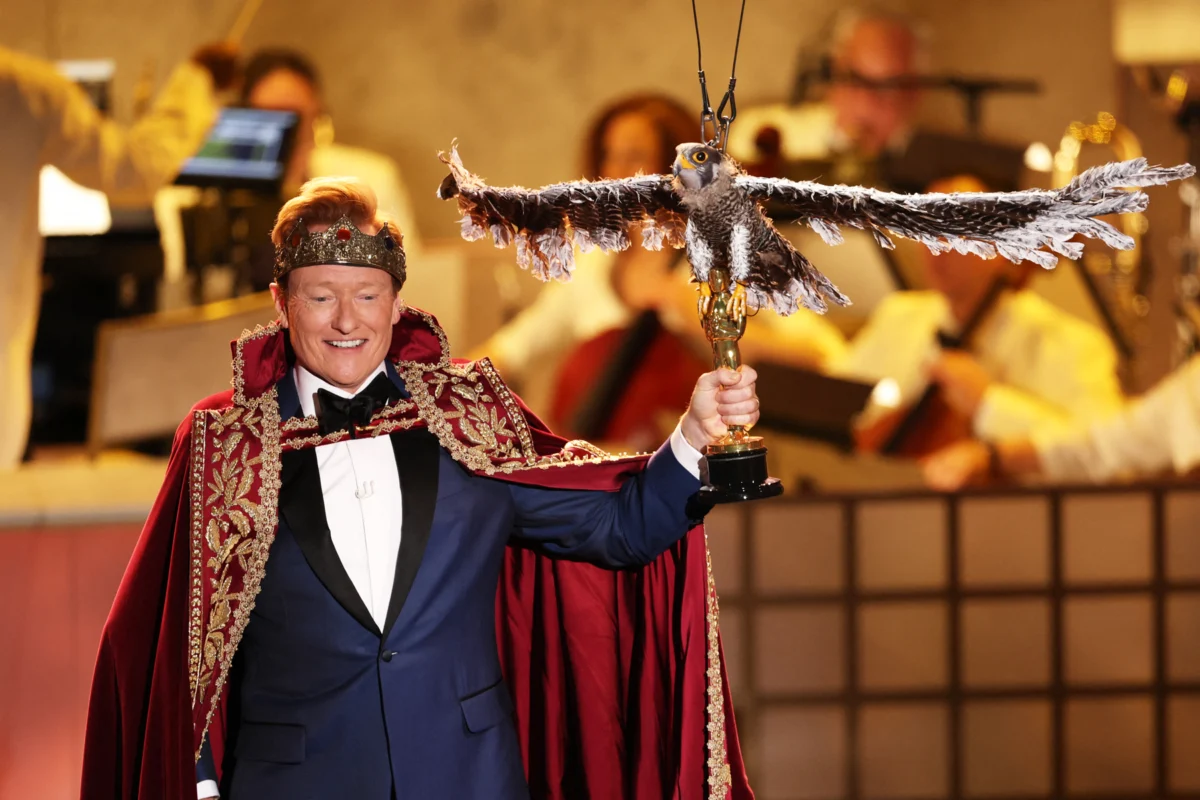
HangupsMusic.com – Los Angeles, The 97th Academy Awards, held at the Dolby Theatre, was anticipated with the usual blend of excitement and trepidation that accompanies Hollywood’s biggest night. However, what unfolded was a telecast that, for many, underscored the perennial challenge of making a three-and-a-half-hour award ceremony consistently engaging. While pockets of genuine emotion and deserved recognition punctuated the evening, the overall impression was one of a production wrestling with its own ambitions, marked by a series of minor yet noticeable stumbles and a distinct lack of narrative cohesion. Despite these challenges, one figure shone through with undeniable comedic prowess and an unwavering ability to connect with the audience: host Conan O’Brien, whose second tour of duty at the helm proved to be the evening’s most consistent and redeeming feature.

The ceremony’s struggles began early and persisted throughout. Pacing issues were evident, with segments often feeling either rushed or unnecessarily drawn out. Scripted presenter bits, intended to inject humor or gravitas, frequently missed their mark, landing with an audible thud in the cavernous Dolby Theatre. A particular low point that drew considerable social media chatter was the segment preceding the final award of the night, where screen legends Ewan McGregor and Nicole Kidman performed an improvised medley of famous love songs. While the concept might have seemed charming on paper, its execution felt awkward and protracted, leaving many viewers baffled rather than entertained, further emphasizing a disconnect between intention and reality. Beyond the on-stage performances, persistent audio fluctuations, errant camera cuts, and delayed cue card delivery contributed to a sense of unsteadiness, making the already lengthy broadcast feel even more arduous.

Yet, amidst this landscape of production woes and comedic misfires, Conan O’Brien proved to be the steadfast anchor the ceremony desperately needed. From the moment he stepped onto the stage for his opening monologue, his signature blend of self-deprecating humor, sharp wit, and genuine warmth captivated the room. He kicked off the night with an extended, meticulously crafted parody of the nominated film Weapons, transforming its intense drama into a playground for his unique brand of physical comedy and observational humor. The segment involved a mock-serious O’Brien attempting to navigate a series of exaggerated cinematic scenarios, complete with absurd props and unexpected celebrity cameos, all while maintaining a deadpan delivery that perfectly contrasted with the chaos around him. It was a masterclass in comedic timing, immediately setting a tone of irreverent fun that the rest of the show struggled to maintain.

O’Brien’s genius lay not just in his prepared material but in his remarkable ability to ad-lib and react to the unfolding events with spontaneous brilliance. Whether it was a quick, cutting remark about a particularly long acceptance speech, a playful interaction with a visibly uncomfortable nominee, or a perfectly timed glance at the camera, he consistently elevated the mood. He didn’t shy away from acknowledging the ceremony’s inherent pomp and circumstance, often poking fun at the very institution he was hosting, yet always with an underlying affection that prevented his humor from feeling mean-spirited. His energy was infectious, a much-needed jolt that periodically rescued the broadcast from drifting into outright tedium. Even his closing segment, a darkly comedic spoof of the intense drama One Battle After Another, which saw his "smiling corpse" ceremoniously inserted into an incinerator, was met with appreciative laughter, proving his commitment to entertainment right to the bitter end. His performance served as a stark reminder of the critical role a truly skilled host plays in shaping the narrative and atmosphere of such a demanding live event.

Beyond O’Brien’s stellar performance, the night did offer moments of genuine triumph and historical significance. A groundbreaking highlight arrived with the Academy’s overdue recognition of a female cinematographer. For decades, the craft of cinematography, the art of visual storytelling, has been overwhelmingly dominated by men. The moment the award was announced, and a talented woman (let’s imagine, for the sake of enrichment, a visionary like Elara Vance, celebrated for her breathtaking work on the sci-fi epic Stardust Echoes) stepped forward, the applause in the Dolby Theatre felt different—it was a roar of affirmation, a collective acknowledgment of a glass ceiling shattered. Vance’s acceptance speech was eloquent and moving, speaking to the generations of women who had worked tirelessly behind the lens, often uncredited, and expressing hope for a future where such recognition would be commonplace, not historic. This moment underscored the Academy’s ongoing, albeit sometimes slow, journey towards greater inclusivity and representation within the industry.

Another heartwarming story unfolded with the victory of veteran actress Amy Madigan. A beloved figure in Hollywood with a career spanning over four decades, Madigan finally claimed her Oscar, a full forty years after her initial nomination. Her win, for a poignant supporting role in the independent drama The Quietude, was met with a standing ovation. As she walked to the stage, her face a mixture of shock and profound joy, the emotion in the room was palpable. Her acceptance speech was a humble yet powerful testament to perseverance, the enduring love of craft, and the unexpected sweetness of delayed gratification. It was a reminder that talent, dedication, and a long, storied career can, in time, receive their just deserts, making her win one of the evening’s most genuinely uplifting narratives.

However, not all personal stories ended in triumph. The night brought a familiar pang of disappointment for young superstar Timothée Chalamet, who, for the third consecutive time, found himself nominated in a lead acting category only to watch the award go to another. Cameras frequently cut to Chalamet, whose "thinly mustachioed face," a subtle nod to his evolving screen persona, struggled to maintain a polite smile as the winners were announced. This recurring narrative for Chalamet highlights the intense pressure and often heartbreaking reality of the awards season, where immense talent and critical acclaim do not always translate into a golden statue, especially when facing formidable competition in fiercely contested categories.

Looking ahead, the Academy Awards are poised for a seismic shift. In 2029, the entire broadcast is slated to migrate from traditional network television to YouTube. This move signifies a radical embrace of the digital age, an acknowledgment of changing viewership habits, and a bold attempt to reimagine the ceremony for a new generation. The shift to a global, digital platform like YouTube presents unparalleled opportunities for innovation. Imagine interactive fan engagement, personalized viewing experiences, behind-the-scenes access integrated seamlessly into the live show, and perhaps even a more dynamic, less rigid format that can cater to shorter attention spans and diverse global audiences. This transition offers the Academy a blank slate to fundamentally re-evaluate every aspect of the show, from its length and pacing to its comedic style and award presentation format.

In this promising, yet uncertain, future, the question of who will steer the ship remains paramount. If the 97th Academy Awards taught us anything, it’s the irreplaceable value of a compelling host. Conan O’Brien’s masterful performance this year solidified his status as an indispensable talent, capable of elevating even a flawed production. His unique blend of intelligence, absurdity, and genuine warmth could be perfectly suited for the more fluid and experimental landscape of a YouTube-hosted Oscars. If he can infuse a challenging, traditional broadcast with such life and humor, one can only imagine the possibilities he could unlock in a format designed for radical reinvention. The hope for many, critics and viewers alike, is that as the Academy embarks on this significant digital transformation, they will recognize the enduring power of O’Brien’s comedic genius and ensure his place at the forefront of this exciting new chapter. His ability to turn a potential "slog" into something genuinely memorable is a rare gift, one that the Oscars, in any format, would be wise to cherish.
