
 By Azzam Bilal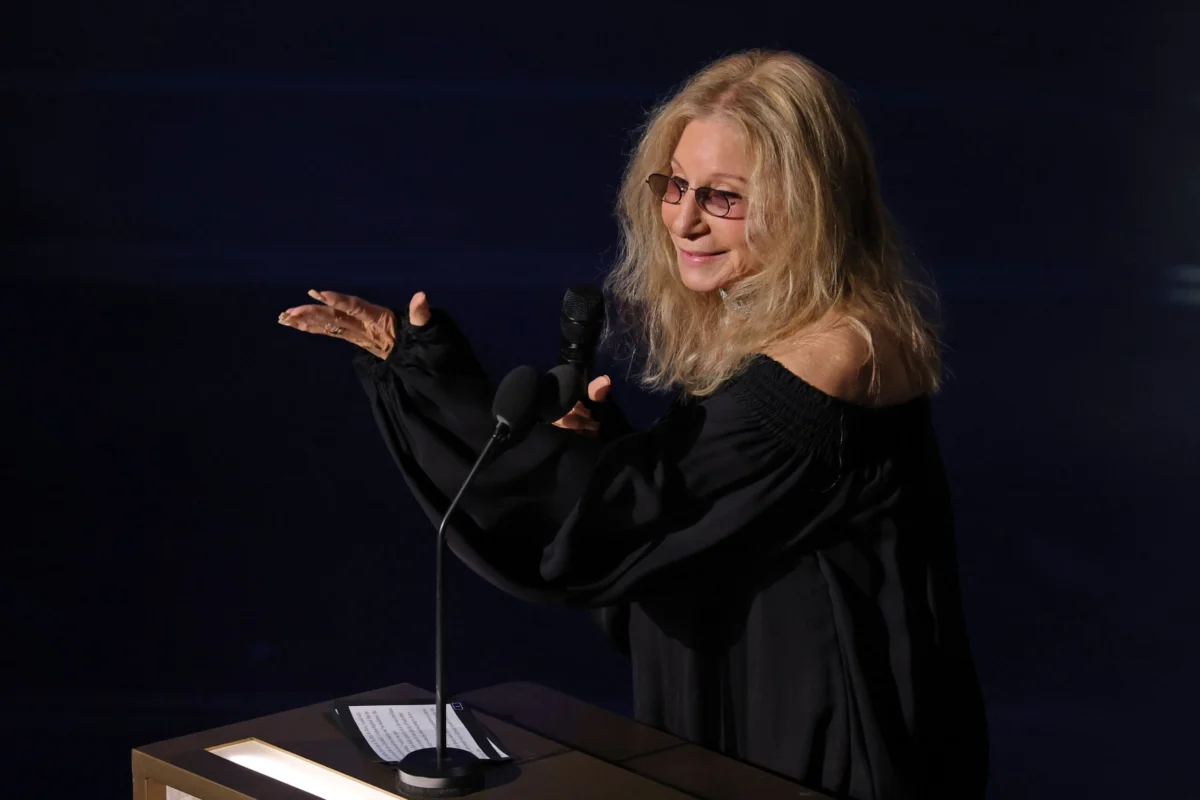
HangupsMusic.com – Los Angeles, The 98th Academy Awards, held on March 15 at the historic Dolby Theatre, served as a poignant intersection of Hollywood’s storied past and its vibrant, globalized future. While the evening celebrated the technical and narrative achievements of the previous year, the emotional center of the broadcast was undeniably the "In Memoriam" segment, a tradition that this year transcended its usual somberness to become a high-concept celebration of cinematic giants. The ceremony, which saw the film industry gather under the glitz of Hollywood’s most prestigious stage, balanced the mourning of lost legends with the crowning of new masters, creating a narrative of continuity that resonated deeply with the live audience and millions of viewers worldwide.
The evening reached a crescendo of collective emotion when the legendary Barbra Streisand took the stage. Streisand, whose appearances have become increasingly rare and thus more precious to the industry, was there to honor the memory of her long-time friend and former co-star, Robert Redford. The duo’s chemistry in the 1973 classic The Way We Were remains one of the most enduring benchmarks of romantic cinema, and Streisand leaned into that shared history with a vulnerability that hushed the room. Before she sang, she offered a tender, written tribute to Redford, describing him not just as a titan of the screen and a champion of independent film through his work with Sundance, but as a collaborator whose presence elevated every frame they shared.
When the first notes of the title song from The Way We Were began to play, the atmosphere in the Dolby Theatre shifted from formal ceremony to intimate remembrance. Streisand’s performance of the sentimental ballad was a masterclass in vocal storytelling. As she sang the familiar lyrics about the "misty watercolor memories" of the way things used to be, a curated selection of photographs from Redford’s expansive career projected onto the massive screens behind her. The most striking visual was a large, black-and-white photograph of the two of them during the filming of their iconic 1973 drama, a stark reminder of the passage of time and the permanence of film. Her voice, still possessing the clarity and emotional weight that defined a generation of American music, served as the perfect vehicle for a final farewell to an actor who personified the Golden Age of the Hollywood leading man.
This year’s tribute was characterized by a move away from the traditional, rapid-fire slideshow of names, opting instead for personalized segments that allowed for a deeper reflection on the impact of individual artists. This was most evident in the tribute to director Rob Reiner. The segment began with Billy Crystal, a longtime friend and collaborator of Reiner’s, taking the stage to deliver a passionate and often humorous introduction. Crystal’s words painted a picture of Reiner as a director who understood the human condition—its humor, its heartbreak, and its inherent absurdity.
The production value of the Reiner tribute was particularly elaborate. As Crystal concluded his speech, a massive curtain rose to reveal a living tableau: over a dozen cast members from Reiner’s most beloved films had gathered on stage. Representatives from When Harry Met Sally, This Is Spinal Tap, Misery, and Stand by Me stood shoulder-to-shoulder, a physical manifestation of the director’s diverse and influential filmography. As the hauntingly beautiful theme from The Princess Bride filled the hall, the actors stood in a unified line, many with their arms around one another, as they turned their backs to the audience to watch a highlight reel of Reiner’s directorial achievements. It was a rare moment of genuine camaraderie on the Oscar stage, emphasizing that a director’s legacy is built not just on celluloid, but on the relationships forged during the creative process.
Beyond the tributes, the 2026 Oscars marked a significant turning point for several of the industry’s most respected creators. Paul Thomas Anderson, a perennial favorite of critics and cinephiles, finally saw his work receive the Academy’s highest honors. His latest film, One Battle After Another, swept the major categories, taking home the trophies for both Best Picture and Best Director. The film, described by many as a nerve-racking masterpiece that pushes the boundaries of narrative tension, represents a pinnacle in Anderson’s career. His win was greeted with a standing ovation, signaling the industry’s recognition of his uncompromising vision and his ability to evolve with each new project. Anderson’s victory was seen as a win for "prestige cinema" in an era increasingly dominated by franchise filmmaking, proving that original, challenging stories still have a primary place in the cultural conversation.
The music categories also provided some of the night’s most talked-about moments, highlighting the increasing globalization of the Academy’s tastes. In a historic win, the Best Original Song award went to "Golden," the breakout hit from the film KPop Demon Hunters. The victory followed a high-energy performance earlier in the evening that brought a different kind of spectacle to the Dolby Theatre. The stage was filled with the glowing rhythmic pulses of thousands of light sticks, a staple of K-pop concert culture, as the group delivered a choreographed routine that was both technically precise and infectious. The win for "Golden" marks a significant milestone for the genre, illustrating how the lines between international pop music and Hollywood scoring are becoming increasingly blurred. It was a moment of high-octane energy that stood in stark contrast to the evening’s more somber tributes, showcasing the broad spectrum of emotional experiences that film and music can provide.
In the Best Original Score category, Ludwig Göransson continued his extraordinary run of success, winning for his work on the film Sinners. Göransson, who has become one of the most sought-after composers in the world, was praised for a score that blended traditional orchestral elements with modern, experimental textures. His work on Sinners was cited by the Academy as being integral to the film’s atmospheric tension and emotional resonance. Göransson’s ability to create soundscapes that are both commercially viable and artistically daring has made him a defining voice in contemporary film music, and his win this year further solidifies his status as a modern master of the craft.
As the ceremony drew to a close, the overarching theme of the night became clear: the 2026 Academy Awards were about the endurance of the artistic spirit. Whether through the nostalgic strains of Barbra Streisand’s voice, the communal mourning of a legendary director like Rob Reiner, or the explosive arrival of new global sounds, the evening was a testament to the power of storytelling. The Academy managed to navigate the difficult balance of looking backward with reverence while looking forward with curiosity.
The "In Memoriam" segment, often criticized in past years for its pacing or its omissions, was widely praised this year for its focus on the human element of filmmaking. By allowing figures like Streisand and Crystal the space to speak from the heart, the Academy transformed a list of names into a living history. The 98th Oscars reminded the world that while actors and directors may pass away, the art they leave behind—the songs they sang, the stories they told, and the emotions they stirred—remains a permanent part of the collective human experience. As the lights dimmed on the Dolby Theatre, the 2026 Academy Awards left an impression of a community that is deeply aware of its roots even as it branches out into new, uncharted territories of creativity. For more in-depth analysis of the winners and further coverage of the night’s events, fans are encouraged to explore the full list of winners and the extensive retrospectives available through the Academy’s official digital archives.
