
 By Azzam Bilal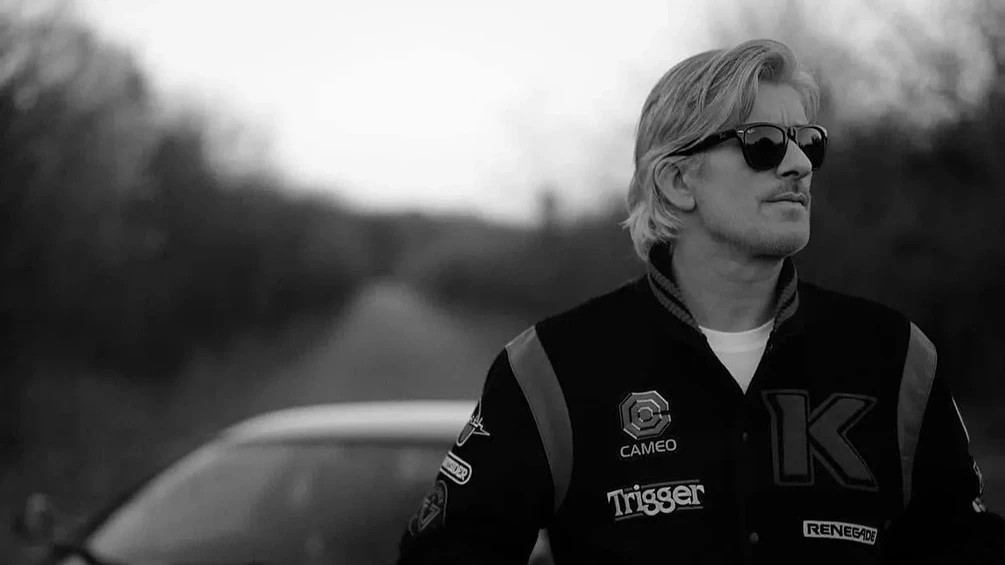
HangupsMusic.com – Paris, the global electronic music community is currently in a state of profound mourning following the sudden passing of Vincent Belorgey, the visionary artist known to the world as Kavinsky. The French producer and DJ, whose cinematic soundscapes and retro-futuristic aesthetic helped define the synthwave genre for a generation, was found deceased at his residence in Paris on Tuesday, July 29. He was 50 years old. His death marks the end of an era for the "French Touch" scene, leaving behind a legacy that bridged the gap between underground electronic experimentation and mainstream pop culture success.
The news of Belorgey’s passing was first reported by local outlets, with French authorities confirming that first responders arrived at the scene to find no immediate signs of foul play or suspicious circumstances. According to reports from Le Figaro and the BBC, the artist had reportedly complained of persistent, severe headaches in the days leading up to his death. While a formal investigation has been launched to determine the exact cause of passing, the initial findings suggest a tragic medical event rather than external intervention. The suddenness of the loss has sent shockwaves through the music industry, prompting a massive outpouring of grief from fans, collaborators, and even heads of state.
Kavinsky was more than just a musician; he was a world-builder. Born in Paris in 1975, Belorgey did not follow a traditional path to musical stardom. He spent much of his youth immersed in the cinema of the 1980s, the burgeoning video game culture, and the gritty allure of nighttime urban landscapes. These influences eventually coalesced into the character of "Kavinsky"—a fictional persona of a man who died in a car crash in 1986 while driving his red Ferrari Testarossa, only to return as a zombie producer making music from the beyond. This narrative-driven approach to electronic music set him apart from his contemporaries, providing a visual and conceptual depth that resonated deeply with audiences worldwide.
The pinnacle of his cultural impact arrived in 2010 with the release of "Nightcall." Produced alongside Guy-Manuel de Homem-Christo of Daft Punk and featuring the ethereal vocals of Lovefoxxx, the track became a global phenomenon after its inclusion in the opening credits of Nicolas Winding Refn’s neo-noir masterpiece, Drive. The song’s slow-burn tempo, haunting vocoder melodies, and pulsing basslines became the blueprint for the modern synthwave movement. It was a rare instance where a piece of electronic music became inextricably linked with a specific cinematic moment, cementing Kavinsky’s status as a master of mood and atmosphere.
Following the news of his death, tributes have flooded social media from some of the biggest names in the industry. David Guetta, a titan of the French scene, lauded Belorgey as a "true icon," noting his ability to create a sonic identity that was entirely his own. Guetta’s tribute emphasized not just the music, but the man behind the persona, praising Belorgey’s "kindness and simplicity" despite his monumental success. Gaspard Augé, one-half of the legendary duo Justice, shared a poignant farewell, referring to Belorgey as a "dear friend." The connection between Kavinsky and the Justice camp was long-standing, rooted in the mid-2000s era of the Ed Banger Records "universe."
Though Kavinsky was never officially signed to Ed Banger, he was a vital part of the label’s tight-knit creative circle. Pedro Winter, the founder of Ed Banger and former manager of Daft Punk, shared a deeply personal reflection on Instagram. He described Belorgey as the "crazy uncle" of the collective—a boisterous, hilarious, and larger-than-life figure who often spoke louder than anyone else in the room. Winter’s words painted a picture of a man who brought joy and laughter to those around him, contrasting the often dark and brooding nature of his musical output. This sentiment was echoed by Canadian DJ A-Trak, who called Belorgey the "funniest person" he had ever encountered, and Sebastian Tellier, who described the late artist as "one of a kind—hilarious and deeply moving."
The cultural weight of Belorgey’s passing reached the highest levels of French society. President Emmanuel Macron issued a statement on Facebook, hailing Kavinsky as a "source of French pride forever." Culture Minister Catherine Pégard also weighed in, stating that with his passing, France had lost "one of its most unique voices." Such acknowledgments from the state underscore how deeply Belorgey’s work was woven into the fabric of modern French cultural identity, representing the nation’s prowess in the digital arts and electronic innovation.
Belorgey’s discography, while relatively concise, was characterized by a commitment to quality over quantity. His debut studio album, OutRun, released in 2013, was a conceptual tour de force that expanded on the story of his zombie protagonist. It featured collaborations with heavyweights like SebastiAn and showcased his ability to blend heavy distorted bass with melodic, nostalgic synth leads. One of the standout moments from that era was "Odd Look," a track that would later be reimagined with vocals from The Weeknd. In a tribute shared this week, The Weeknd (Abel Tesfaye) called Belorgey a "true visionary," acknowledging the profound influence the French producer had on his own sonic evolution during the 2010s.
After a nearly decade-long hiatus from major releases, Kavinsky made a triumphant return in 2022 with his second album, Reborn. The record saw him evolving his sound, moving away from the aggressive distortion of the OutRun era toward a more polished, sophisticated, and orchestral approach to synth-pop. Recorded at the legendary Motorbass Studios in Paris, Reborn proved that Belorgey was not merely a product of a specific trend, but an artist capable of growth and longevity. The album was a reminder of his meticulous craftsmanship and his unwavering dedication to the analog warmth of vintage hardware.
The influence of Kavinsky extends far beyond his own tracks. He was a central figure in the aesthetic movement known as "Retrowave," influencing everything from fashion—his signature varsity jacket became a staple of the era—to graphic design and filmmaking. He helped popularize the "outrun" aesthetic, characterized by neon grids, 80s sports cars, and sunset horizons, which continues to permeate modern media, from video games like Grand Theft Auto to television series like Stranger Things.
As the investigation into the circumstances of his death continues, the music world is left to grapple with the loss of a man who was as beloved for his personality as he was for his art. Vincent Belorgey managed to achieve the rare feat of becoming a cult hero and a mainstream star simultaneously. He remained fiercely independent, often stepping away from the spotlight for years at a time, only to return when he felt he had something meaningful to contribute.
The "Nightcall" may have ended for Vincent Belorgey, but the echoes of his synthesizers will continue to resonate in dark clubs, cinematic soundtracks, and the hearts of those who found a home in his neon-soaked dreams. His work served as a bridge between the past and the future, proving that nostalgia, when handled with genuine passion and creative integrity, can become something entirely new and timeless. In the words of his peers, he was a legend, a visionary, and a friend. The red Testarossa has finally parked, but the engine of his influence shows no signs of cooling down. He is survived by a global community of artists who carry his torch, and a body of work that remains a gold standard for electronic music production. Rest in peace, Kavinsky.
