
 By Azzam Bilal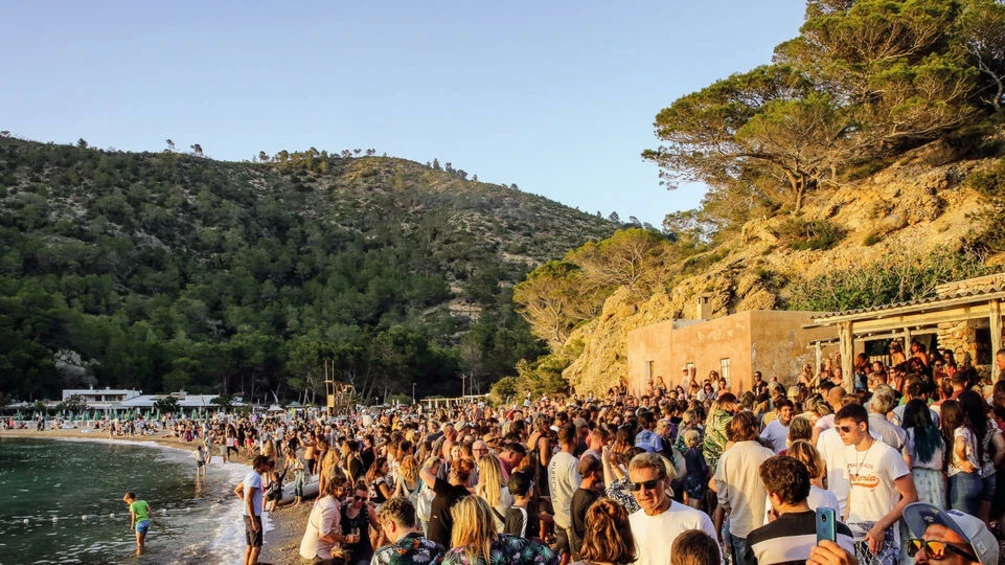
HangupsMusic.com – Ibiza, the world’s most iconic destination for electronic dance music, is standing at a legislative crossroads that could define its cultural and economic landscape for a generation. The Consell d’Eivissa, the governing body responsible for the island’s strategic planning, has officially proposed a comprehensive freeze on the issuance of new nightclub licenses. This sweeping measure is a cornerstone of the upcoming Tourism Areas Intervention Plan (PIAT), a regulatory framework designed to recalibrate the island’s relationship with its most famous, yet increasingly controversial, industry.
The proposal marks a definitive shift in how the "White Isle" manages its global reputation as a party sanctuary. For decades, Ibiza has been synonymous with the vanguard of nightlife, but the Consell d’Eivissa is now signaling that the sector has reached its physical and social limit. According to Mariano Juan, the First Vice President of the Consell d’Eivissa, the objective is not to dismantle the existing nightlife infrastructure but to "contain" it. By halting the expansion of new venues, the government aims to protect the prestige and operational viability of existing establishments while addressing the growing concerns of a local population that feels increasingly sidelined by the sheer scale of the tourism machine.
The details of the PIAT were brought to the forefront during a recent council session where the future of the island’s tourist zones was debated. Mariano Juan clarified that the proposed ban is a strategic move to prevent the further dilution of the island’s offerings. He was quick to emphasize that the administration holds no hostility toward the nightlife sector. On the contrary, he described the clubbing industry as a vital pillar of the island’s identity. “We don’t want legal leisure activities to disappear,” Juan stated during the session. He argued that these venues are essential for positioning Ibiza on the global stage, providing a unique differentiation from other Mediterranean destinations and, perhaps most importantly, sustaining thousands of local jobs.
The Vice President’s rhetoric suggests a desire to foster a "quality over quantity" approach. By framing the clubbing scene as something to be "proud of" rather than a "problem," the council is attempting to bridge the gap between the industry and its detractors. However, Juan also acknowledged the reality of "externalities"—the unavoidable side effects of a massive nightlife economy, such as noise pollution, traffic congestion, and the strain on public services. The government’s stance is that these externalities must be managed through strict regulation rather than through the total abolition of the industry.
This move toward a total freeze is not entirely unprecedented, though its application as a blanket island-wide policy is a significant escalation. For the past 15 years, most of Ibiza’s municipalities have already implemented their own localized bans on new nightclub permits. The primary outlier has been Sant Josep, a municipality that contains some of the world’s most famous beach clubs and venues. Under the new PIAT guidelines, these localized restrictions would be unified into a single, cohesive island-wide mandate, closing the remaining loopholes that have allowed for potential expansion in recent years.
The urgency of this legislative move is underscored by a deepening political divide regarding the island’s social fabric. During the council debates, representatives from the Spanish Socialist Workers’ Party (PSOE) and the Patriotic Union (UP) pushed for even more aggressive stances, particularly concerning the rise of illegal parties. Elena López, a spokesperson for the PSOE, delivered a stinging critique of the current state of affairs, suggesting that the situation has spiraled out of control. She characterized the island as having transformed into "one enormous party venue," a development she claims has effectively squeezed out families and residents seeking a more balanced lifestyle.
The "illegal party" phenomenon has become a central point of contention in Ibiza. As legal venues face increasing regulation and high entry costs, a shadow economy of unauthorized events in private villas and remote rural areas has flourished. These events often bypass safety protocols, noise limits, and tax obligations, creating a headache for local authorities. López argued that the crackdown should not only target the organizers and DJs but also the entire ecosystem that facilitates these events, including property owners and promoters. The council’s proposal to freeze new licenses is, in part, an attempt to solidify the status of legal, regulated venues as the only legitimate path for nightlife on the island, thereby making it easier to identify and penalize unauthorized competition.
The tension between the tourism industry and the local community has reached a boiling point in recent years. Public sentiment has shifted dramatically, as evidenced by a comprehensive poll conducted in April. The survey, which gathered data from residents across Ibiza, Mallorca, Menorca, and Formentera, revealed that a staggering 69% of the population supports a hard cap on the total number of tourists allowed to visit the islands. Furthermore, over 80% of respondents called for a significant reduction in short-term holiday rentals. This data highlights a growing perception that the "tourist monoculture" is making the island unlivable for those who call it home year-round, primarily due to skyrocketing housing costs and the seasonal exhaustion of public infrastructure.
The frustrations of the local populace manifested in a massive demonstration earlier in 2024, where more than 10,000 residents took to the streets in both Mallorca and Ibiza to protest against overtourism. The slogans "Ibiza is not for sale" and "Our island is not a theme park" resonated through the streets, signaling to the Consell d’Eivissa that the status quo is no longer tenable. The protest was not merely about the noise of the clubs; it was a broader outcry against a model of tourism that many feel prioritizes corporate profit over the well-being of the community.
The discussion regarding overtourism is not a new phenomenon for the Balearic authorities. For at least a decade, various administrations have toyed with a range of measures to curb the excesses of the travel industry. These have included the implementation of a sustainable tourism tax, limits on the total number of "tourist beds" available in hotels and apartments, and strict alcohol restrictions in specific zones like San Antonio to combat "drunken tourism." There have even been debates about limiting the number of rental cars allowed on the island and banning individuals known for anti-social behavior.
The PIAT’s proposal to freeze nightclub licenses is perhaps the most symbolic of these measures, as it strikes at the heart of the island’s global brand. By saying "enough is enough" to the expansion of the clubbing sector, the government is attempting to preserve the "Ibiza myth" while acknowledging that the island’s physical capacity is finite. For the owners of existing clubs like Pacha, Amnesia, and Ushuaïa, the freeze effectively grants them a protected monopoly, ensuring that no new mega-clubs can emerge to challenge their dominance. While this protects the established players, it also raises questions about innovation and the ability of new, smaller promoters to find a permanent home on the island.
As the PIAT moves toward finalization, the global music community is watching closely. Ibiza remains the ultimate litmus test for the health of the international clubbing scene. If the island successfully transitions to a more managed, sustainable model, it could provide a blueprint for other nightlife hubs around the world facing similar pressures. Conversely, if the freeze on licenses—combined with the crackdown on illegal parties—creates a vacuum that the market cannot fill, the island risks losing the very edge that made it a cultural phenomenon in the first place.
Ultimately, the Consell d’Eivissa’s proposal is a gamble on the long-term viability of the island. It is an admission that the era of unfettered growth is over and that the future of Ibiza must be defined by balance. Whether this legislative intervention will be enough to appease the 10,000 protesters and restore a sense of harmony between the dancefloor and the living room remains to be seen. For now, the message from the council is clear: Ibiza’s party is not ending, but it has officially reached its maximum occupancy.
