
 By Azzam Bilal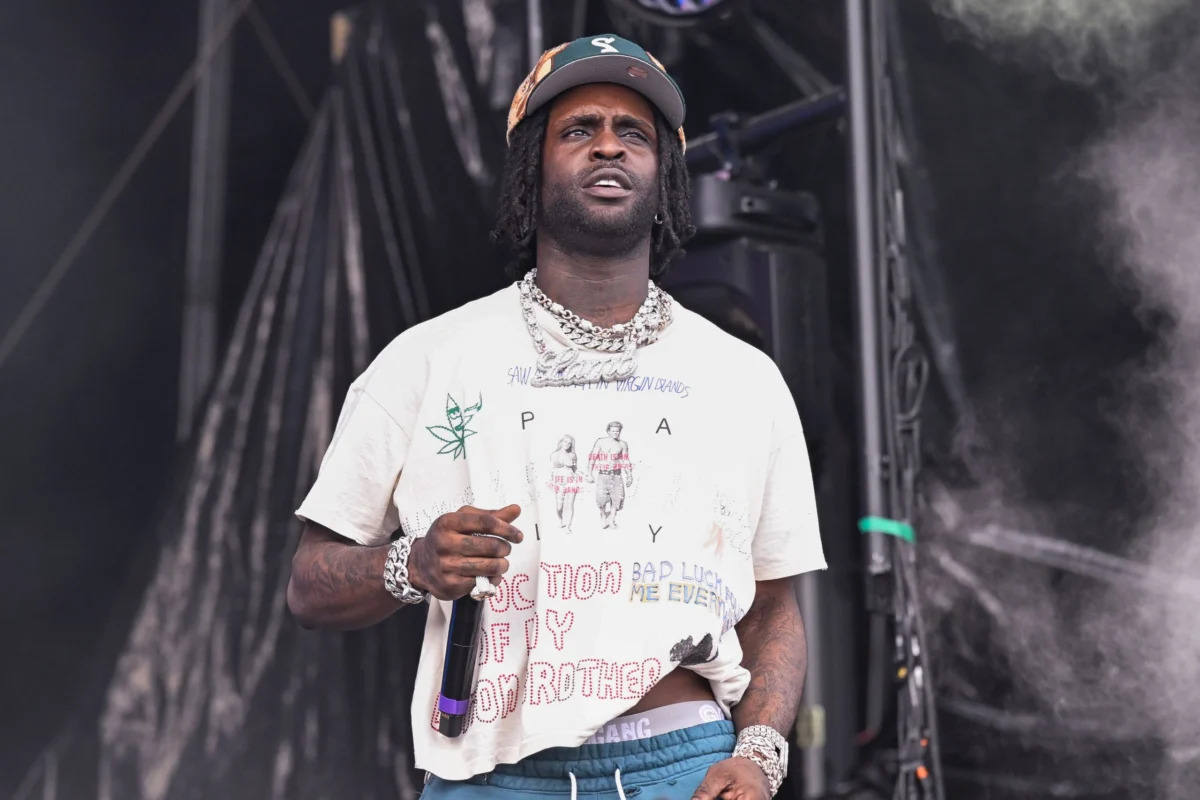
HangupsMusic.com – Chicago,
The atmosphere surrounding the Huntington Bank Pavilion at Northerly Island on the evening of September 12 was electric, thick with a decade and a half of anticipation. Fans had gathered from across the Midwest to witness what was being billed as a historic moment in hip-hop: the return of Chief Keef to a stage within the official city limits of Chicago. For many, this was more than just a concert; it was a homecoming for the progenitor of the drill music scene, a figure who had been effectively exiled from his own city’s venues for the better part of fourteen years. However, just thirty minutes before the lights were set to dim and the first bass notes were scheduled to rattle the waterfront, the energy turned to disbelief. A sudden announcement across social media and venue loudspeakers confirmed the worst: the show was being postponed.
The news broke with a jarring lack of lead time. While thousands of fans were already filing into the pavilion or waiting in security lines, the venue announced that the performance would be rescheduled for September 23. The immediate reaction on the ground was a mixture of confusion and vocal frustration. For a performer whose history with Chicago authorities and local venues has been fraught with cancellations and legal roadblocks, the last-minute postponement felt like a cruel case of déjà vu. Yet, as the details began to emerge from both the artist’s camp and the event promoters, it became clear that this delay was not the result of local government intervention, but rather a bizarre and contentious travel mishap.
According to an official statement released by Live Nation shortly after the postponement, the decision was necessitated by a significant travel delay on Chief Keef’s end. The promoters explained that the rapper was unable to arrive in Chicago in time to complete a full set before the Huntington Bank Pavilion’s strict outdoor noise curfew. In the world of high-stakes touring, timing is everything, and the logistical window for a major outdoor production is razor-thin. If an artist cannot take the stage by a certain hour, the venue faces massive fines or the forced cutting of the performance, leading to an unsatisfactory experience for the ticket holders.
However, Chief Keef—born Keith Cozart—offered a much more personal and provocative explanation for his absence. Taking to his Instagram stories to address his frustrated fanbase, the rapper did not mince words. He attributed the travel crisis to an encounter with a pilot whom he described as "very racist." According to Keef’s account, the pilot allegedly canceled the flight abruptly, leaving the rapper and his entourage stranded and forced to scramble for alternative transportation at the eleventh hour. "No I ain’t happy, yes I am upset," Keef wrote in a candid post to his followers. "I know all of you anticipated this just like me… And I’m sincerely sorry that this happened trust me." The gravity of the situation was evident in his tone; for an artist who has spent years trying to navigate the complexities of performing in his hometown, this was a significant emotional and professional blow.
The significance of this specific concert cannot be overstated. While Chief Keef headlined the Lyrical Lemonade Summer Smash earlier this year and in 2024, those performances took place in Bridgeview, Illinois—a suburb located outside the official jurisdiction of the Chicago Police Department and the city’s political reach. For purists and locals, a show in Bridgeview is not the same as a show in Chicago. The September 12 date at the Huntington Bank Pavilion was meant to be his first true Chicago proper performance in fourteen years. Since his meteoric rise as a teenager with hits like "I Don’t Like" and "Love Sosa," Keef’s relationship with the city has been defined by distance. Concerns over public safety and his various legal entanglements in his youth led to a period where he was effectively persona non grata in the city’s traditional concert circuit.

This "ban" reached a peak of absurdity in 2015 when Keef attempted to perform via hologram at a benefit concert in Chicago. Even then, the hologram was shut down by police within minutes of the virtual performance beginning. This long history of suppression is what made the 2024 "A Night with Chief Keef" tour date so symbolic. It represented a reconciliation between the artist and the city that birthed the drill genre—a sound that has since traveled from the South Side of Chicago to the streets of London, New York, and beyond.
The postponement comes at a time when Chief Keef is experiencing a creative and commercial resurgence. The tour is in support of his latest mixtape, Skeletor, which was released in April to critical acclaim. Skeletor showcases a matured version of the rapper, blending the raw, experimental energy of his early work with a more refined production sensibility. The mixtape has been praised for its sonic density and Keef’s continued ability to innovate within the genre he helped create. The tour itself is an ambitious trek across the United States, with upcoming stops scheduled for Minneapolis, Detroit, Austin, New York, and Los Angeles. Despite the Chicago setback, the tour kicked off its next leg in Minneapolis, proving that the rapper is determined to maintain his momentum.
Adding to the buzz surrounding his current run is a surprising new collaboration that highlights Keef’s evolution from a polarizing regional figure to a global pop-culture mainstay. Recently, Keef appeared on a remix with pop superstar Katy Perry for the track "Legendary Lovers (Save Me)." The collaboration is more than just a musical pairing; it serves as the final chapter in a decade-long narrative. Back in 2013, Perry famously tweeted her distaste for Keef’s song "Hate Bein’ Sober," which led to a brief but heated Twitter exchange. The fact that the two have now "worked it out" on a track symbolizes Keef’s current standing in the industry—an elder statesman of hip-hop who has outlasted his critics and earned the respect of his peers across all genres.
For the fans in Chicago, the focus now shifts to September 23. The Huntington Bank Pavilion has confirmed that all tickets for the original date will be honored for the rescheduled show. While the delay is a disappointment, the narrative of the "return to Chicago" only grows more dramatic with this latest hurdle. The city has waited fourteen years; another eleven days, while frustrating, is a small fraction of the time spent wondering if Chief Keef would ever be allowed to perform on the lakefront again.
As the industry looks on, the "racist pilot" allegation remains a point of intense discussion on social media, though representatives for Chief Keef have declined to provide further official comments or documentation regarding the specific airline or the nature of the dispute. Regardless of the logistics, the incident underscores the often-unseen barriers that even high-profile artists of color face when navigating the private and commercial travel sectors.
When Chief Keef finally takes the stage on September 23, the stakes will be higher than ever. It will be a test of whether the "King of Drill" can reclaim his throne in the heart of the city that once turned its back on him. For the fans who have stuck by him since the days of grainy YouTube videos filmed in O-Block, the wait is almost over. The homecoming may have been delayed, but the cultural weight of the event remains intact, promising a night of catharsis for both the artist and the city of Chicago.
