 By Azzam Bilal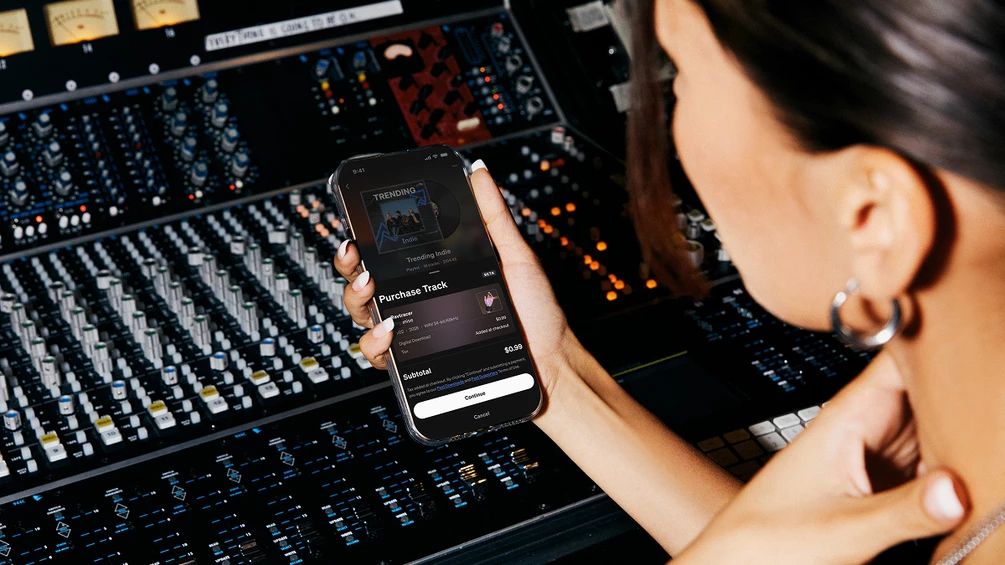
HangupsMusic.com – NEW YORK, SoundCloud has officially initiated a transformative shift in its business model by launching a pilot program that enables musicians to sell digital tracks directly to their audience. This move represents a significant departure from the platform’s traditional identity as a streaming and discovery hub, positioning it as a direct competitor to established digital storefronts. By integrating commerce directly into artist profiles, the company aims to streamline the relationship between creators and their most dedicated followers, removing the friction of third-party redirects and external transaction fees.
The cornerstone of this new initiative is a zero-commission policy. Unlike many digital marketplaces that retain a percentage of every transaction, SoundCloud has pledged that artists will keep 100% of their sales revenue, excluding only the mandatory processing fees and applicable taxes. This aggressive financial structure is designed to appeal to the growing "super-fan" economy, where listeners are increasingly willing to pay a premium to support their favorite creators directly. The feature allows for the sale of both standard MP3s and high-fidelity WAV files, catering to both casual listeners and audiophiles who prioritize sound quality.
Initially, the functionality is being rolled out as a restricted beta. A select group of approximately 200 US-based creators who hold "Artist Pro" subscriptions have been granted early access to the tools. This trial phase is intended to serve as a testing ground, allowing SoundCloud to gather user feedback and refine the user interface before a broader public launch. If the pilot proves successful, the company expects to make the direct-sales feature available to all eligible creators globally by the end of the current autumn season.
To facilitate the management of these new revenue streams, SoundCloud has integrated sales tracking into its existing "Artist Studio" and "Fan Support" dashboards. This allows musicians to monitor their earnings, analyze purchasing trends, and identify their most active supporters in real-time. By centralizing these metrics, the platform provides a more holistic view of an artist’s career, combining streaming data with direct financial contributions. This integration is part of a larger strategy to provide a "one-stop-shop" for independent music management, sitting alongside existing features like Fan-Powered Royalties, on-demand vinyl pressing, and event ticketing.
Eliah Seton, the CEO of SoundCloud, emphasized the importance of platform consolidation in a recent statement. He noted that for too long, artists have been forced to fragment their presence across multiple services—using one for discovery, another for social engagement, and yet another for monetization. Seton’s vision for the company is to provide a singular ecosystem where an artist can find their first fans, build a community, and sustain a professional career without ever requiring their audience to leave the site. This "all-in-one" philosophy is a direct response to the increasing complexity of the digital music landscape, where creators often feel overwhelmed by the need to manage a dozen different subscriptions and profiles.
The decision to implement internal sales was driven by substantial internal data. SoundCloud’s research revealed a massive, untapped demand for direct transactions on the platform. Currently, an estimated 250,000 artists include links in their track descriptions or bios that lead to external storefronts. These links point to more than 2.4 million individual tracks available for purchase elsewhere. Each year, roughly half a million users follow these links, essentially taking their purchasing power away from SoundCloud and toward competitors. Furthermore, a survey of the platform’s user base found that 28% of active artists were either already selling digital downloads or were highly interested in doing so. By bringing these transactions in-house, SoundCloud is not only retaining traffic but also enhancing the value proposition for its premium "Artist Pro" subscribers.
The timing of this launch is particularly notable given SoundCloud’s recent corporate maneuvers. Just last month, the company finalized the acquisition of Nina Protocol, an independent music service built on blockchain technology. Nina Protocol gained recognition for its focus on digital ownership and its innovative approach to allowing creators to build bespoke digital stores. Although the original founders of Nina Protocol had begun winding down operations earlier this year after a five-year run, the acquisition provides SoundCloud with the underlying infrastructure and intellectual property needed to power a sophisticated digital marketplace. This suggests that while the current beta is focused on traditional downloads, the future of SoundCloud’s commerce tools may eventually incorporate more advanced features related to digital collectibles or permanent ownership records.
This strategic pivot follows the late 2025 introduction of a comprehensive artist subscription plan. That package was designed to unify distribution services, fan support mechanisms, and merchandise tools into a single monthly fee. By adding direct music sales to this bundle, SoundCloud is attempting to build an impenetrable moat around its creator community. For independent artists, the appeal of a zero-commission model is hard to overstate. In an era where streaming payouts often amount to fractions of a cent per play, the ability to sell a single track for a few dollars—and keep the entirety of that profit—can make the difference between a hobby and a sustainable career.
The broader music industry has seen a resurgence in the "ownership" model over the last few years. While streaming services like Spotify and Apple Music dominate the consumption market, platforms that facilitate direct artist-to-fan connections have seen record growth. The success of Bandcamp, which has become the gold standard for independent music sales, proved that there is a massive market for fans who want to do more than just "rent" access to music. SoundCloud’s entry into this space represents the first major challenge to that dominance from a platform with a massive, established social network already built-in.
The "Fan-Powered Royalties" (FPR) system, which SoundCloud pioneered several years ago, also plays a role in this ecosystem. Unlike the industry-standard "pro-rata" model, which pools all subscription revenue and distributes it based on total market share, FPR ensures that a portion of a specific listener’s subscription fee goes directly to the artists they actually listen to. By adding direct sales on top of FPR, SoundCloud is creating a multi-tiered monetization strategy: artists earn from casual streams, benefit more from dedicated listeners via FPR, and maximize their revenue through direct digital sales to "super-fans."
As the beta continues through the coming weeks, industry analysts will be watching closely to see how the user experience holds up. The challenge for SoundCloud will be to maintain its reputation as a discovery-first platform while avoiding the cluttered, commercial feel that can sometimes plague digital marketplaces. If they can successfully balance these two identities, they may well redefine what it means to be a "music platform" in the late 2020s.
For the 200 artists currently involved in the trial, the opportunity is immediate. They can now experiment with "pay-what-you-want" pricing models, exclusive "digital-only" releases, and high-quality audio offerings that aren’t available on standard streaming tiers. As the rollout expands this autumn, the impact on the independent music community could be profound, potentially shifting the center of gravity for digital music commerce back toward the platforms where the music is first discovered. SoundCloud’s message to the industry is clear: the future of music is not just about listening—it is about ownership, community, and the direct financial empowerment of the creator.
