
 By Rose Miami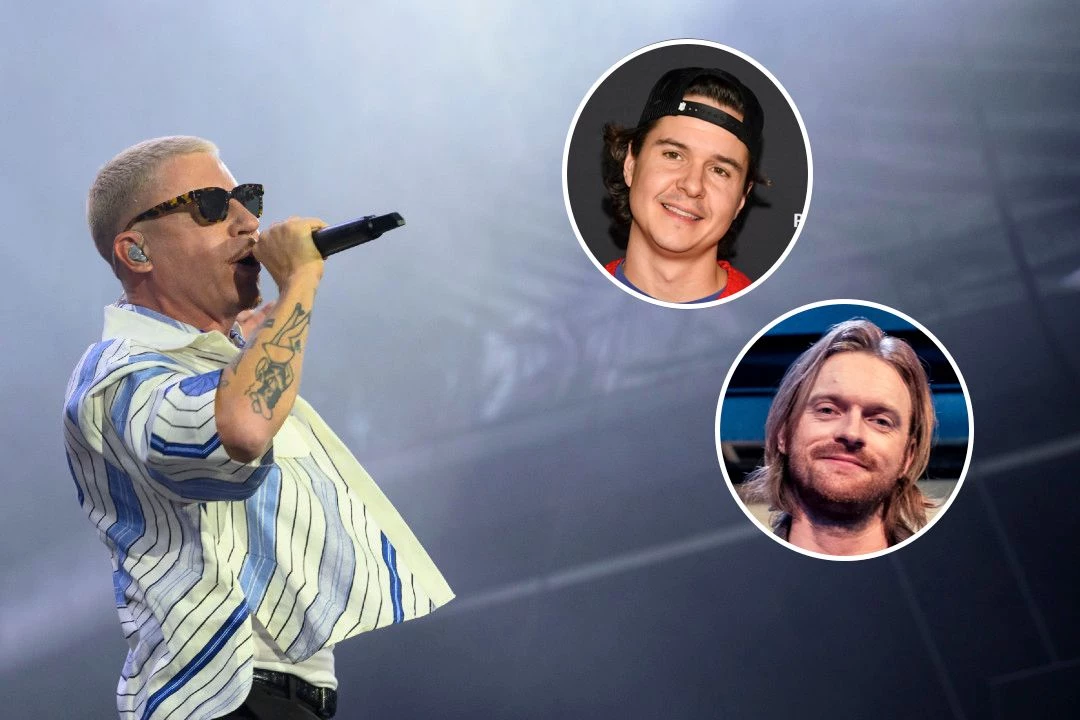
HangupsMusic.com – A wave of solidarity has swept through Ed Sheeran’s current tour, with several prominent supporting artists announcing their immediate withdrawal in response to Macklemore’s removal from the lineup. The Grammy-winning rapper was reportedly asked to exit the tour following his vocal support for Palestine during his opening sets. This decision has sparked a powerful reaction from fellow artists, who have chosen to stand with Macklemore and amplify their own calls for peace and justice.
The cascade of departures began to unfold on Tuesday, September 15th, with singer-songwriter Aaron Rowe, Danish band Lukas Graham, Irish folk group Beoga, and Grammy-winning producer and artist Finneas all issuing separate statements detailing their decisions to step away from their scheduled performances. Finneas, who was slated to join the tour for its South American leg, articulated a firm stance on artistic freedom and human rights. "Artists must not be silenced when they speak up for the oppressed," Finneas stated on Instagram. "I have decided to withdraw from my upcoming tour dates with Ed Sheeran. I stand with Palestine and its people." His message underscored a sentiment echoed by many in the creative community: that artistic platforms should not be used to stifle important social and political dialogue.
The Irish folk band Beoga, known for their intricate traditional music, drew a direct parallel to their own national history in their statement. "We are Irish people who understand colonialism," they wrote. "As founding members of the Irish Artists for Palestine movement, we are committed activists for justice and will continue to be." This connection to historical struggles against oppression served as a powerful justification for their departure, highlighting a deep-seated understanding of the complexities of occupation and self-determination.

Aaron Rowe, also citing his Irish heritage, expressed a similar sentiment, emphasizing the moral imperative to speak out against perceived injustices. "As Irish people we know all too well about genocide, forced famine and violent occupation," he declared. "I can’t stand by and allow billionaires to use their position of power to silence the rightful voices of those who speak up." His words pointed to a broader concern about the influence of wealth and power in dictating public discourse, particularly on sensitive geopolitical issues.
Lukas Graham’s lead singer acknowledged the difficulty of the decision but affirmed its necessity. "The choice to leave was a difficult one, but it’s one I need to stand by," he stated. He further elaborated on the principle at stake, asserting, "Money doesn’t give you the right to own the conversation. Nobody’s bank balance should decide who gets to speak or which suffering we’re allowed to acknowledge." This sentiment directly addressed the core of the controversy: the perceived silencing of a voice based on external pressures and financial interests, rather than the content of the message itself.
Macklemore’s removal from the tour, which was confirmed on Monday morning, September 14th, stemmed from his repeated declarations of "Free Palestine" during his opening performances. These statements reportedly drew criticism from some Jewish advocacy groups. In the aftermath, Macklemore released a statement indicating that Robert Kraft, the owner of Gillette Stadium where one of the performances was scheduled, had exerted pressure on Sheeran and other stadium owners to remove him. Kraft subsequently confirmed his opposition to Macklemore’s performance, citing the rapper’s recent remarks and what Kraft described as a history of antisemitic rhetoric.
The situation has ignited a broader conversation within the music industry and beyond about the role of artists in addressing sociopolitical issues, the boundaries of free speech, and the potential consequences of speaking out against powerful entities. The unified stance of these supporting acts underscores a commitment to a shared set of values, prioritizing solidarity and the right to express dissent over continuing with a tour that, in their view, has become compromised by censorship. Their collective action serves as a potent example of how artists can leverage their platforms and influence to advocate for causes they believe in, even when faced with significant opposition. The ripple effect of these departures highlights the intricate web of relationships and ethical considerations that underpin large-scale musical tours and the broader landscape of cultural expression. The focus now shifts to how these artists will continue to engage with their audiences and their chosen causes, and how this incident might shape future dialogues surrounding artistic activism and corporate influence in the entertainment world. The original article concluded by promising to present the full statements from each departing act, a testament to the detailed reporting surrounding this unfolding story.
