
 By admin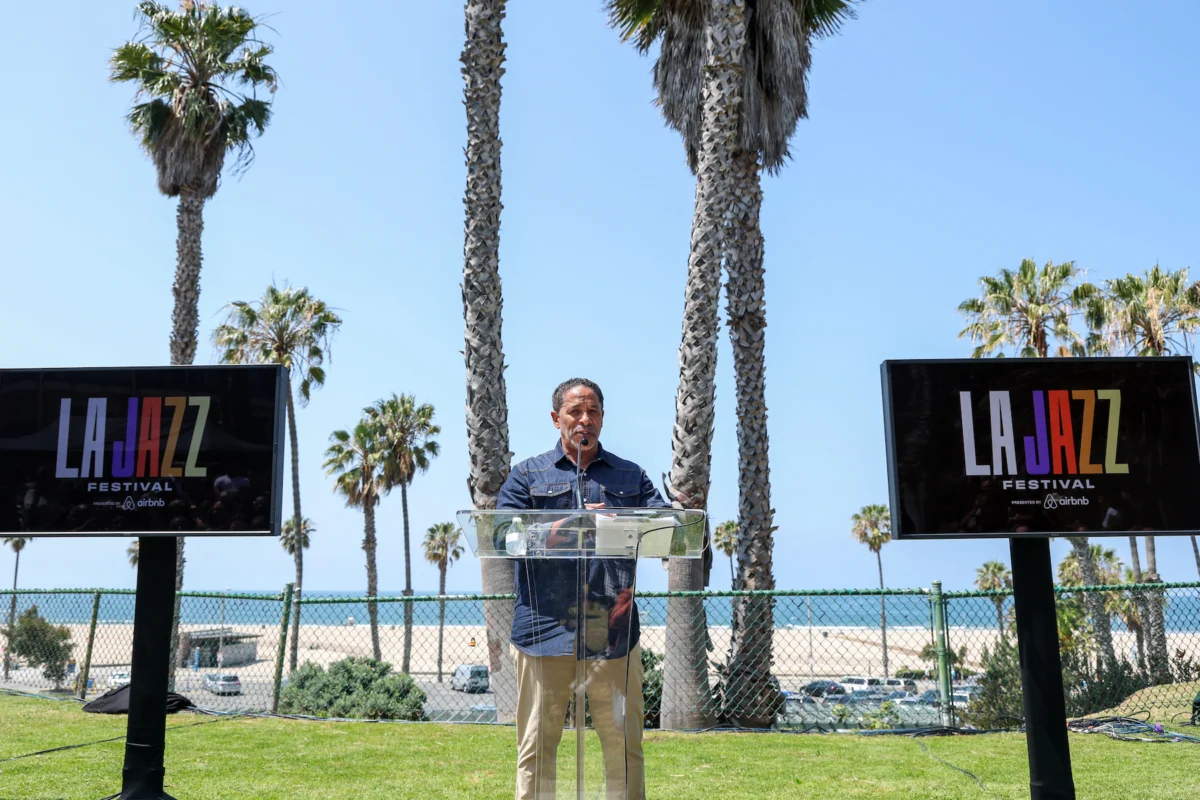
HangupsMusic.com – Los Angeles, The vibrant hum of anticipation that had enveloped the City of Angels for months surrounding its inaugural, citywide jazz festival was abruptly silenced this past Friday, just mere hours before the sprawling musical event was slated to commence. What promised to be a landmark cultural extravaganza, featuring a constellation of stars including multi-Grammy winners John Legend and Janelle Monáe, alongside funk legends Parliament-Funkadelic, was instead dissolved into a cloud of confusion and disappointment, leaving a vast network of artists, crews, vendors, and eager fans in its wake. The eleventh-hour decision to pull the plug on the ambitious LA Jazz Festival sent shockwaves through the music industry, raising immediate questions about the logistical complexities of large-scale urban events and the profound impact of such unforeseen cancellations on the creative community and the city’s cultural landscape.
The LA Jazz Festival was envisioned as a monumental cultural undertaking, an expansive, weeks-long celebration designed to blanket Los Angeles in a rich tapestry of sound. First unveiled with considerable fanfare in February, the festival’s launch was marked by a press conference graced by the presence of Mayor Karen Bass, signaling significant civic backing and a shared vision for a grand new addition to the city’s cultural calendar. Organizers, spearheaded by founder and former city council member Martin Ludlow, projected an astonishing quarter of a million attendees, underscoring the sheer scale and ambition of an event intended to cement Los Angeles’ status as a global music mecca. The initial dates, spanning from August 7 to August 23, outlined a festival unlike any other, promising an immersive, citywide experience rather than a confined, single-venue affair.
The lineup curated for the festival was nothing short of star-studded and remarkably diverse, reflecting a broad interpretation of jazz and its profound influence across genres. Beyond the headline drawing power of John Legend, Janelle Monáe, and Parliament-FunkFunkadelic, the roster boasted an eclectic mix of contemporary heavyweights and genre-bending artists. New Orleans bounce queen Big Freedia, neo-soul maestro Raphael Saadiq, the acclaimed Free Nationals, innovative multi-instrumentalist Terrace Martin, and legendary vocalist Charlie Wilson were all scheduled to perform. The opening ceremony itself was slated to feature the revered Lalah Hathaway, setting a high artistic benchmark for the days to follow. This impressive collection of talent aimed to attract a wide demographic, fusing traditional jazz sensibilities with contemporary R&B, soul, funk, and hip-hop influences, a true reflection of Los Angeles’ vibrant and varied musical ecosystem.
However, beneath the surface of official pronouncements and high-profile bookings, industry whispers had begun to circulate, hinting at potential turbulence. Observers noted that organizers had quietly started condensing the festival’s initially expansive schedule, a subtle but telling sign that the ambitious plans might be facing unforeseen challenges. What was originally advertised as a multi-week engagement across various city locales was reportedly shrinking in scope, leading to speculation among those privy to the inner workings of large-scale event production. These early adjustments, though not publicly highlighted, suggested that the project was grappling with operational hurdles long before the final, drastic decision was made.
The ultimate announcement came with shocking suddenness on Friday, just hours before Lalah Hathaway was set to take the stage for the opening ceremony. Martin Ludlow issued a statement to the Los Angeles Times, attributing the abrupt cancellation to "significant, unanticipated last-minute public safety and municipal costs associated with the final permitting of the On The Beach Festival." Ludlow expressed the profound difficulty of the decision, emphasizing a commitment to delivering a "first-class experience worthy of the great legacy of jazz and our great city." While acknowledging the "enthusiastic support" from artists, fans, and sponsors, he declared the inaugural event postponed, with a hopeful eye towards "2027 and beyond."
The specific mention of the "On The Beach Festival" component within Ludlow’s explanation offers a crucial insight into the potential flashpoint for the festival’s demise. Organizing an event of significant scale on Los Angeles’ public beaches involves a unique labyrinth of regulatory requirements and heightened costs. Permitting for beach access, environmental impact assessments, specialized security and crowd control on sand, robust sanitation infrastructure, increased lifeguard presence, and stringent emergency medical services are all factors that can escalate expenses dramatically. For an inaugural event, the complexity of coordinating multiple city departments, coastal commissions, and public safety agencies could easily lead to last-minute financial demands that prove insurmountable, especially when factoring in the sheer volume of attendees anticipated for such a prominent part of the festival.
The repercussions of this eleventh-hour cancellation were immediate and far-reaching, striking a devastating blow across the entire ecosystem of the music industry. Musicians, many of whom had already completed travel arrangements, arrived in Los Angeles only to be met with the news of the festival’s demise. Isiah Collier, a musician who had just concluded a European tour, recounted to CBS LA the disheartening experience of learning about the cancellation upon landing in the city. His poignant reflection, "You lose trust, and without trust you can’t have community," encapsulates the deep sense of betrayal felt by many.
Booking agents, like Maurice Montoya, who had meticulously arranged for 15 of his artists to perform, voiced strong condemnation. In an interview with the Los Angeles Daily News, Montoya described the cancellation as "inconsiderate" and "not professional, to say the least." He highlighted the immediate predicament faced by artists, who lost not only their performance fees but also incurred non-refundable travel and accommodation expenses. Beyond the financial hit, the disruption to carefully planned touring schedules and the reputational damage to emerging artists are immeasurable. Crews – sound engineers, lighting technicians, stagehands, hospitality staff, transportation providers – who rely on such events for their livelihoods, also found themselves suddenly out of work and out of pocket.
The impact extended well beyond the industry professionals. Thousands of eager fans had made significant investments in anticipation of the festival, booking flights, reserving hotel rooms, and taking time off work. Their disappointment was palpable, compounded by the financial losses incurred from non-refundable expenditures. Local vendors and small businesses, from food trucks to merchandise sellers, who had prepared for a surge in activity and stocked up on supplies, also faced unexpected losses, undermining the potential economic boost the festival was intended to provide to the city.
Adding to the frustration was the swift and stark disappearance of the festival’s digital presence. On the day of the cancellation, the LA Jazz Festival’s official website was effectively scrubbed, no longer showcasing the elaborate schedule or artist roster. Instead, it briefly displayed a placeholder advertising an August 22-23 event with "updated event info coming soon," a message that offered little clarity or comfort. The festival’s Instagram account, a primary channel for engaging with fans and artists, had remained dormant for two weeks prior to the cancellation, further indicating a breakdown in communication and a lack of transparency as internal issues mounted. This digital void only amplified the sense of abandonment and exacerbated the widespread confusion.
Looking ahead, Ludlow’s commitment to relaunching the LA Jazz Festival in 2027 presents a monumental challenge. Rebuilding the trust that was so severely eroded will require a level of transparency, meticulous planning, and robust financial backing that surpasses even the initial ambition. Future organizers will need to demonstrate a comprehensive understanding of municipal permitting processes, a contingency plan for unforeseen costs, and ironclad communication strategies with all stakeholders – artists, agents, sponsors, and the public. The incident serves as a stark reminder of the inherent risks and complexities involved in staging large-scale urban cultural events, particularly those aiming for such a broad and decentralized footprint.
The sudden collapse of the inaugural LA Jazz Festival is more than just the cancellation of a music event; it represents a significant setback for Los Angeles’ cultural aspirations. While the city remains a vibrant hub for arts and entertainment, the incident casts a shadow on its ability to successfully execute such ambitious, citywide projects. The lessons learned from this unfortunate episode will undoubtedly shape the future landscape of major cultural programming in Los Angeles, underscoring the critical need for comprehensive planning, agile problem-solving, and unwavering commitment to the community of artists and fans who ultimately make these grand visions possible. The silence that fell over Los Angeles on Friday was a poignant reminder of the fragility of even the most promising cultural endeavors when confronted with unforeseen challenges.
