 By Rose Miami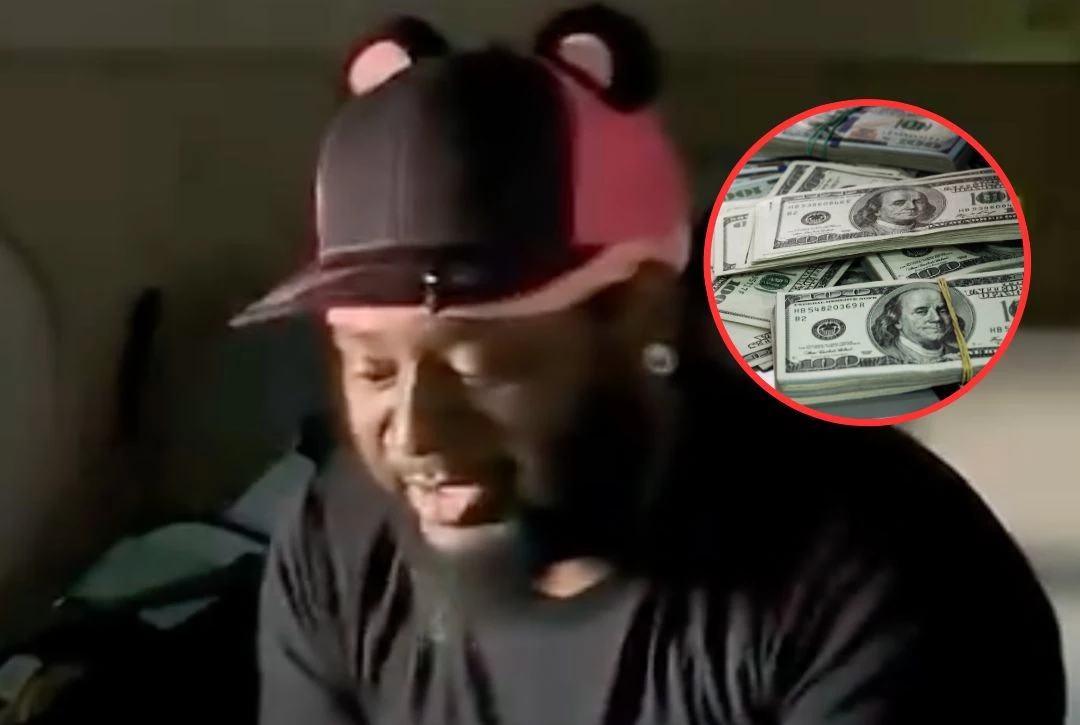
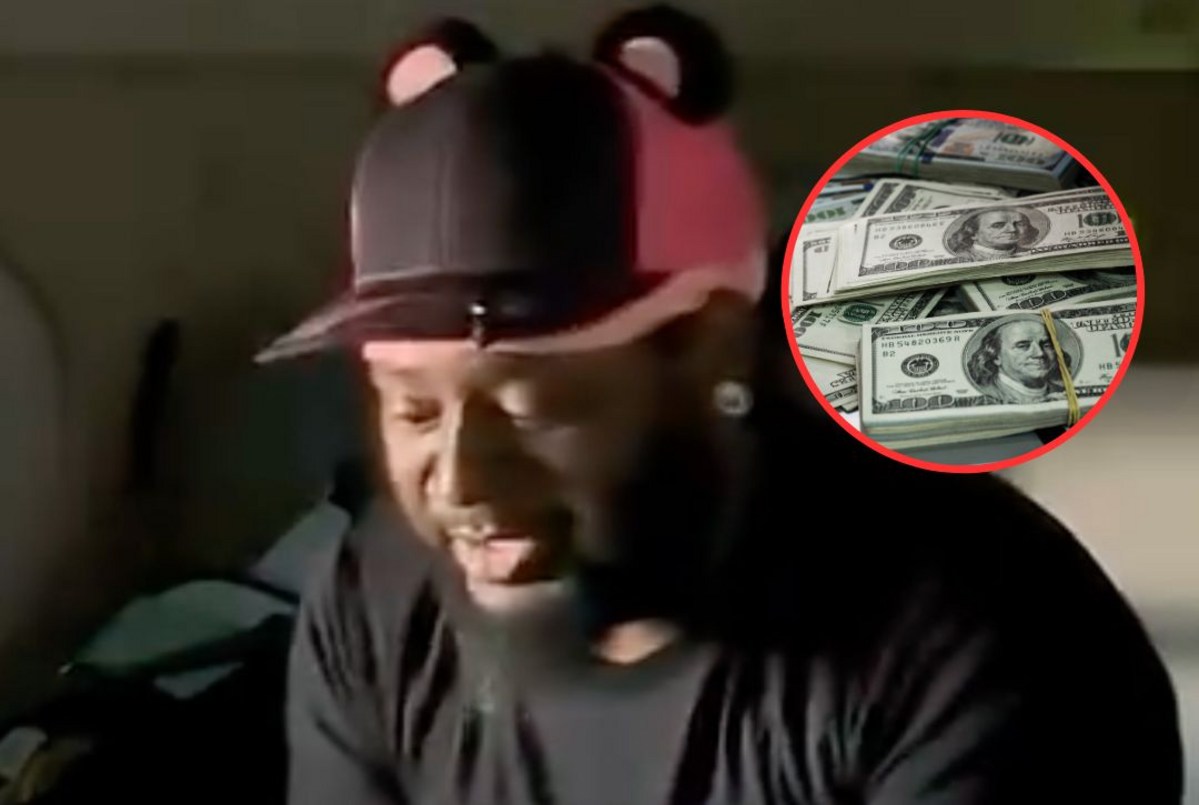
HangupsMusic.com – In a candid revelation during a recent Twitch livestream, Grammy-winning artist T-Pain offered his fanbase an in-depth look into the strategic motivations behind the reported $100 million sale of his extensive music catalog. The artist, known for his pioneering use of Auto-Tune and a string of chart-topping hits, articulated his concerns about the evolving economics of the music industry, particularly the perceived devaluation of artists’ work by streaming platforms. T-Pain emphasized that this decision was not merely a financial transaction but a calculated move to secure his family’s long-term financial stability and exert greater control over his artistic legacy.
Speaking to his followers on July 25th, T-Pain expressed a clear sentiment of safeguarding his children’s future. "I’m not leaving my kids’ future in the hands of the music industry at all," he stated, underscoring a profound distrust in the industry’s ability to provide enduring financial security for artists. He elaborated that he had a precise understanding of his financial needs for the remainder of his life, suggesting that the sale was designed to meet those requirements definitively. This perspective highlights a growing trend among established artists who are seeking to monetize their back catalogs as a means of diversifying their income streams and mitigating the unpredictable nature of the current music landscape.
The acquisition, which reportedly saw HarbourView Equity Partners take ownership of T-Pain’s publishing catalog and select master rights, occurred in February of 2025. While the precise financial terms were not publicly disclosed at the time of the deal, industry observers widely estimated the valuation to be in the vicinity of $100 million. This significant figure reflects the enduring commercial appeal and cultural impact of T-Pain’s extensive body of work, which spans multiple decades and genres. The deal signifies a substantial investment by HarbourView, signaling their confidence in the continued profitability and legacy of T-Pain’s music.
In a statement released following the acquisition, T-Pain conveyed his enthusiasm for the new partnership. "I’m excited for this next chapter and to partner with HarbourView Equity as they help preserve the legacy of my music," he remarked. He further elaborated on the personal significance of his catalog, describing it as a testament to "years of hard work, creativity, and unforgettable moments." His gratitude was evident as he expressed his hope that his music would "continue to reach new heights," while also reassuring fans that his creative output was far from over. This statement suggests a collaborative approach, with T-Pain anticipating ongoing involvement in the management and promotion of his catalog.
However, the nature of the deal revealed a nuanced understanding of what the sale entailed. During a November 2025 appearance on Shannon Sharpe’s ClubShay Shay podcast, T-Pain disclosed a critical aspect of his agreement with HarbourView. He explained that the terms of the deal extended beyond the initial catalog acquisition to include rights to any future musical creations he might produce, encompassing everything from original songs to jingles and music scores that could be monetized. This crucial detail reframes the transaction not as a simple one-time sale, but as an ongoing partnership where HarbourView would share in the revenue generated by his future creative endeavors. This arrangement essentially positions T-Pain as a continuing creative force whose future works would also contribute to the value of the acquired catalog, albeit with a shared financial interest.
This ongoing partnership model is becoming increasingly prevalent in the music industry, offering artists a pathway to capitalize on their existing assets while maintaining a vested interest in their future creative output. For T-Pain, this approach allows him to secure a substantial financial foundation while continuing to pursue his passion for music. The implications of such deals extend to the broader industry, raising questions about artist compensation in the digital age and the long-term strategies artists are employing to navigate its complexities. The reported $100 million figure, while substantial, is amplified by the forward-looking nature of the agreement, suggesting a shrewd business acumen on T-Pain’s part. His decision to retain a stake in future earnings, while delegating the management of his existing catalog, demonstrates a sophisticated understanding of how to maximize the value of his artistic patrimony in a rapidly evolving marketplace. The artist’s transparency about the intricacies of the deal provides valuable insight for both aspiring musicians and seasoned professionals contemplating similar strategic moves.
