
 By Rose Miami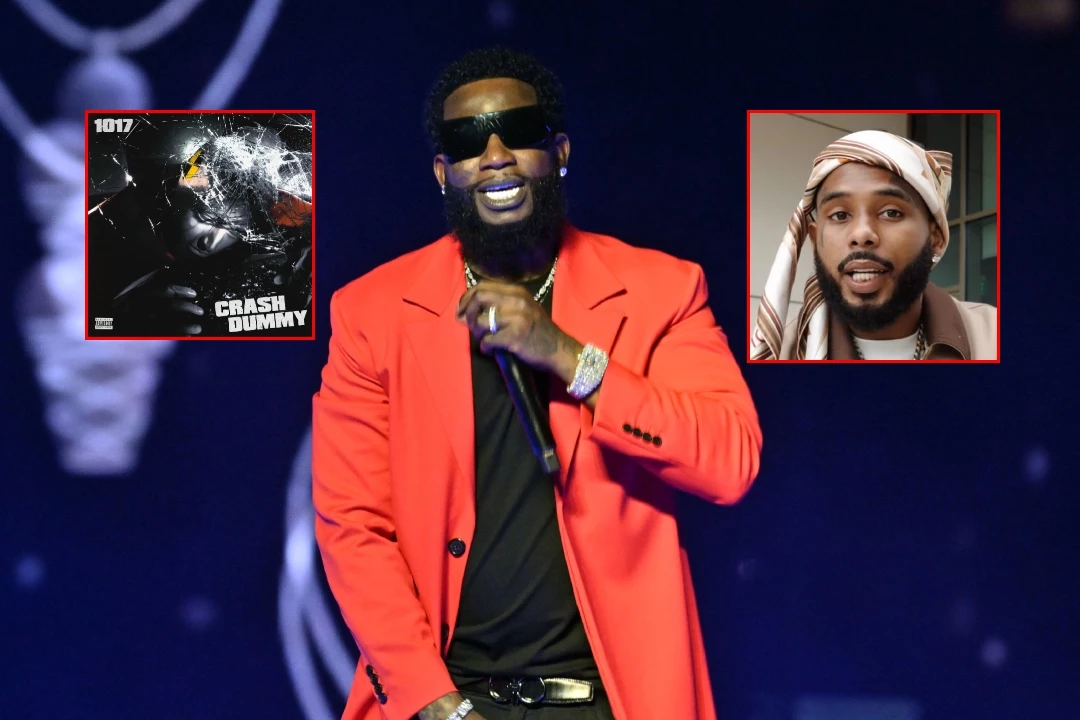
HangupsMusic.com – Atlanta, GA – The hip-hop community is abuzz following the release of Gucci Mane’s latest track, "Crash Dummy," a song that directly addresses the alleged robbery and kidnapping incident involving his protégé, Pooh Shiesty. The controversy surrounding the event, which reportedly took place in January, has intensified with Gucci Mane’s decision to lay bare the details on wax, prompting a spectrum of reactions from fellow artists and fans alike.
For weeks, the narrative surrounding Gucci Mane and his 1017 Global label has been dominated by news of Pooh Shiesty, along with Big30 and seven other individuals, facing charges related to the alleged abduction and robbery of the trap music pioneer. Reports indicated that Gucci Mane had been cooperating with law enforcement in the ensuing investigation. It was within this charged atmosphere that Gucci Mane dropped "Crash Dummy" on Friday, April 10th, offering his perspective on the deeply personal and business-entangled ordeal.
The lyrics of "Crash Dummy" paint a picture of betrayal and calculated deception. Gucci Mane, known for his pioneering role in Southern hip-hop, doesn’t mince words, detailing the shock of realizing a supposed business meeting had devolved into a trap. He raps, "I thought it was a business meeting but it was a setup," and continues to describe the palpable tension upon entering the room, where handshakes concealed malicious intent. "I walk in the room, you can feel the pressure building/Nia dap me up, the whole time they plotting against me/I don’t take it personal, for me it’s only business." This line, in particular, highlights a perceived cold, strategic approach to what could have been a deeply emotional betrayal, framing it as a matter of operational necessity rather than personal vendetta. The assertion, "Tell the truth, you went out like a real crash dummy/And after all that, boy, you still signed to me/I’m like Birdman, and nia this my Cash Money," directly confronts Pooh Shiesty, referencing his alleged foolishness and reaffirming Gucci Mane’s continued ownership and control, drawing a parallel to Birdman’s relationship with his Cash Money Records artists.
The decision to publicly address such a sensitive and potentially damaging incident through music has ignited a firestorm of opinions within the hip-hop fraternity. Artists have been quick to voice their takes, some with sharp criticism, others with a more nuanced observation.

Freddie Gibbs, a rapper known for his unfiltered commentary, shared a video on social media expressing his astonishment. "Ni**a snitched on a Zaytoven beat," he stated, a remark that underscores the perceived gravity of Gucci Mane’s lyrical revelations, especially given Zaytoven’s reputation for producing beats for gospel-infused and morally grounded tracks, creating a juxtaposition with the subject matter. Gibbs’ tone suggested a mix of disbelief and perhaps a touch of disappointment, hinting at the unwritten codes of the street that such an admission might violate.
Tekashi 6ix9ine, a figure who has himself navigated a complex relationship with the law and public perception, took to Instagram to offer his typically bombastic critique. "Do you hear your stupid-a*s self," he vented, directly addressing Gucci Mane. "Y’all said, ‘It’s the streets. You know what you signed up for.’ You know what you signed up for, ni**a!" 6ix9ine’s commentary reflects a hardened perspective, suggesting that anyone involved in the "streets" should anticipate such risks and consequences without recourse or complaint, and that airing grievances publicly, especially in a way that could be interpreted as cooperating with authorities, is a betrayal of that unspoken understanding.
The discourse extends beyond these two prominent voices. Other artists like Boosie BadAzz, Asian Doll, Honeykomb Brazy, and Big Doodie Lo have also weighed in, their reactions contributing to a broader conversation about loyalty, business ethics, and the perception of street credibility within the music industry. While specific statements from all these artists may not be detailed here, their engagement signifies the widespread impact of Gucci Mane’s song and the underlying incident.
The "Crash Dummy" controversy also brings to mind other high-profile rap beefs that have simmered for extended periods, highlighting the volatile nature of relationships within the industry. From the long-standing animosity between Pusha-T and Drake to the public feuds involving YG and 6ix9ine, the history of hip-hop is punctuated by unresolved conflicts and lyrical sparring matches. Gucci Mane’s latest release adds another chapter to this ongoing narrative, forcing listeners and participants to grapple with the complexities of trust, power dynamics, and the blurred lines between personal relationships and professional dealings in the high-stakes world of rap music. The fallout from "Crash Dummy" is likely to resonate for some time, continuing to fuel debate about authenticity, betrayal, and the consequences of speaking out in the often-opaque world of hip-hop.
