
 By Rose Miami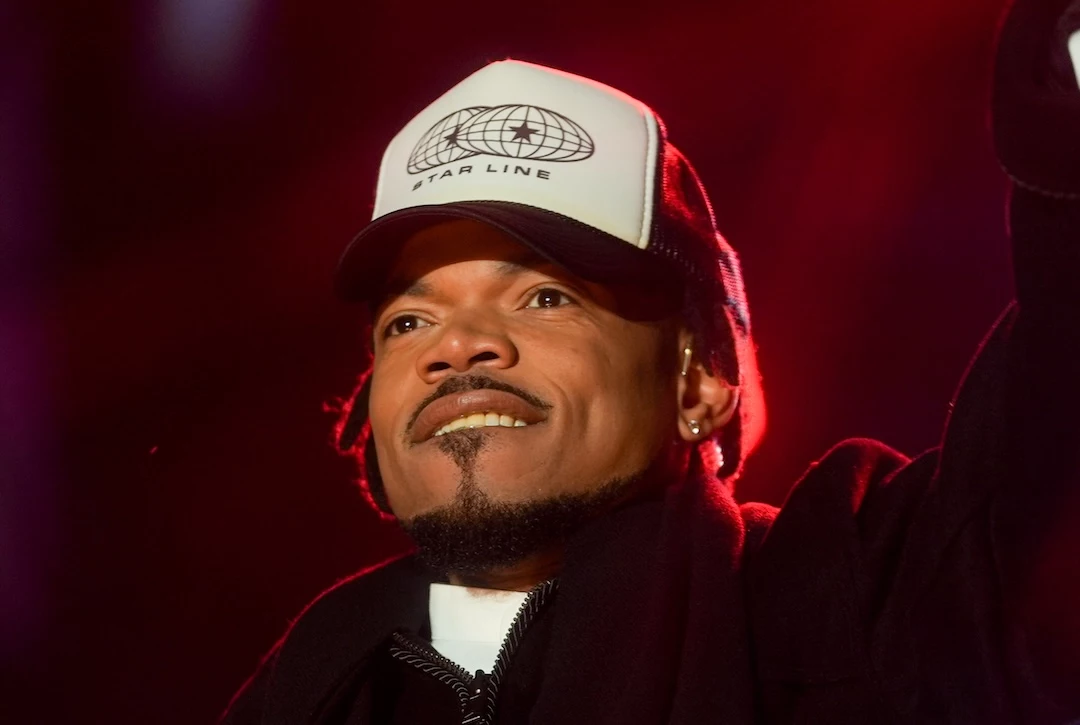
HangupsMusic.com – Chicago, IL – A high-stakes civil trial is currently unfolding in Cook County, Illinois, centering on a contentious financial dispute between Grammy-winning artist Chance the Rapper and his former manager, Pat Corcoran. At the heart of the legal battle, which seeks over $3 million in damages, is the nature of their professional relationship and the absence of formal, written agreements, according to Corcoran’s testimony. The trial, now in its initial stages, has shed light on a management style where verbal understandings allegedly trumped documented contracts, a practice that Corcoran claims has led to significant financial repercussions for him following his termination in 2019.
During his direct examination, Corcoran presented evidence suggesting a pattern of Chance the Rapper, whose real name is Chancelor Bennett, avoiding the signing of written business contracts with key individuals within his professional orbit. The list of purported unsigned agreements reportedly included contracts with his music attorney, business manager, booking agent, and various other integral team members. When questioned about this apparent aversion to formalizing business relationships, Corcoran posited that it may have served as a mechanism for the artist to maintain a degree of ambiguity regarding his commitments. "Given this experience that I’m going through right now, perhaps it could be a way to obfuscate some of his commitments to his partners and to people," Corcoran testified, as reported by Music Business Worldwide. This suggests a deliberate strategy, according to the former manager, to avoid clearly defined obligations.
Chance the Rapper, conversely, has maintained that his professional arrangement with Corcoran was an "at-will agreement" and not a formal contract, a point he emphasized during his own testimony. He stated that the term "contract" was only introduced after Corcoran initiated legal action. Corcoran, who managed Chance from 2012 until his dismissal in 2019, was reportedly compensated with 15% of the artist’s net proceeds. Chance acknowledged that Corcoran was indeed the highest-earning individual on the payroll of his company, Chance the Rapper LLC.
A crucial point of contention in the trial revolves around a supposed "sunset clause" within their arrangement. Corcoran asserts that this clause stipulated he would continue to receive compensation for a period of three years after his termination. However, Chance testified that he was unaware of such a clause existing within their understanding. "We never described it as a contract until he sued me. We had an at-will agreement that didn’t address termination," Chance stated, according to the Chicago Sun-Times. He further elaborated on their operational dynamic, describing it as a long-standing, informal arrangement. "We moved that way forever. We never discussed the sunset clause, we just discussed how I’d pay him," the rapper added. This discrepancy highlights a fundamental disagreement about the terms and expectations that governed their professional relationship.

The ongoing trial aims to untangle the complex financial claims and the varying interpretations of the business relationship between the artist and his former manager. The absence of a written management contract between Chance the Rapper and Pat Corcoran appears to be a central challenge, forcing the court to rely on testimony and circumstantial evidence to ascertain the validity of Corcoran’s claims. The implications of this case could extend beyond this specific dispute, potentially influencing how artists and their management teams formalize their professional associations moving forward. The legal proceedings are expected to continue this week, with further testimony anticipated to shed more light on the intricate details of their collaboration and its eventual dissolution.
The trial is not just about the financial figures but also about the fundamental principles of business partnerships in the often-unpredictable music industry. Corcoran’s testimony paints a picture of an artist who, perhaps intentionally or through a laissez-faire approach, operated without the traditional safeguards and documented understandings that typically govern significant professional relationships. This, he argues, has left him vulnerable and seeking recourse for what he perceives as unpaid dues and a breach of an implicit, if not explicit, understanding.
Chance the Rapper, a figure known for his independent ethos and his ability to navigate the music business on his own terms, finds himself in a legal arena where his unconventional approach is being scrutinized. His defense appears to hinge on the argument that their relationship was informal and lacked the binding commitments that Corcoran now seeks to enforce through litigation. The "at-will agreement" characterization suggests a mutual understanding of a less formal arrangement, where either party could potentially terminate the relationship without the stringent requirements of a formal contract.
The concept of a "sunset clause," even if not explicitly written, could also be a point of contention. Corcoran’s assertion that this was a discussed element of their agreement, even if not formally documented, presents a challenge for Chance to refute. The trial will likely involve a deep dive into past communications, industry standards, and the credibility of both parties to establish the true nature of their understanding regarding post-termination compensation.
As the trial progresses, the court will be tasked with deciphering the intentions and understandings of both Chance the Rapper and Pat Corcoran. The outcome will not only determine the financial settlement in this specific case but could also serve as a cautionary tale or a precedent for how business relationships are structured and formalized within the contemporary music industry. The absence of written agreements, while sometimes perceived as fostering flexibility, can evidently lead to significant legal and financial complications when disagreements arise. The courtroom in Cook County will be the ultimate arbiter of whether a handshake and a verbal agreement are sufficient in the high-stakes world of music management.
