
 By admin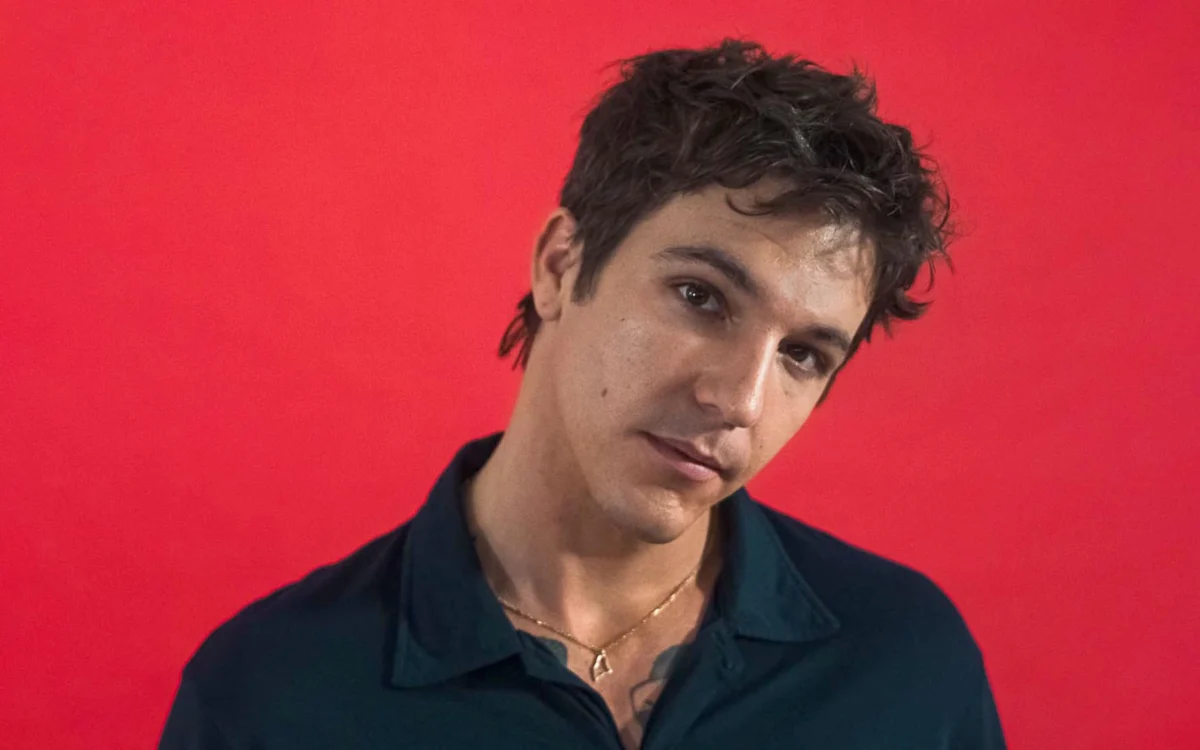
HangupsMusic.com – Los Angeles, California – Tucker Pillsbury, known artistically as Role Model, is charting a course that veers from the typical trajectory of modern pop, instead anchoring his sound in the rich, storytelling traditions of heartland rock. With the recent release of his ambitious new album, Chuck Timely and The Hourglass, Pillsbury is not just nodding to classic troubadours but actively working to infuse their spirit into contemporary music, a creative endeavor he discusses with candid insight in a recent conversation on the Rolling Stone Studio. This dialogue reveals an an artist deeply invested in musical authenticity, personal evolution, and carving a niche that prioritizes genuine expression over fleeting fame, all while navigating the complexities of celebrity, newfound love, and an unexpected foray into acting.
Pillsbury’s latest offering is a deliberate pivot, or perhaps, a deeper dive into his sonic roots. He provocatively muses about a potential "heartland rock" resurgence, a movement he appears poised to lead. This genre, characterized by its earnest narratives, accessible melodies, and working-class ethos, found its iconic voices in artists like Tom Petty, Bruce Springsteen, John Mellencamp, and Jackson Browne. Role Model’s breakthrough single, "Sally, When the Wine Runs Out," already hinted at this inclination, resonating with a younger demographic who perhaps hadn’t consciously engaged with Petty’s enduring legacy. Chuck Timely and The Hourglass cements this direction, weaving in the reflective lyricism and melodic craftsmanship reminiscent of these rock legends. For Pillsbury, the challenge lies in "bringing these artists that I love… and applying it to pop music," a delicate balance between homage and innovation that defines his current artistic mission. He aims to make the earnest, guitar-driven anthems of yesteryear feel fresh and relevant for today’s listeners, proving that timeless storytelling transcends generational divides.
Despite his undeniable knack for crafting infectious hooks and relatable narratives, Pillsbury remains steadfast in his disinterest in the conventional trappings of pop stardom. He observes the ongoing industry debate about who will claim the title of the next "pop boy" but explicitly states his reluctance to participate in that particular race. "I just don’t want to be in that race, ’cause I’m not trying to be a pop star," he asserts. This isn’t a rejection of pop music itself, which he genuinely loves to create, but rather a deliberate distancing from the often-manufactured image and demanding lifestyle associated with global pop celebrity. His music, his collaborators, and his public persona all subtly communicate this preference for a more grounded, less overtly polished identity. The glossy outfits, elaborate stage productions, and choreographed dancers that often accompany mainstream pop acts hold no appeal for him; instead, he prefers to exist "a little bit whatever’s just under that," embracing an authenticity that resonates more deeply with his artistic vision. This choice reflects a mature understanding of his own boundaries and a commitment to preserving the creative freedom that often gets diluted in the relentless pursuit of mass appeal.
This commitment to artistic evolution is further underscored by his decision to retire a popular live segment: the nightly "Sally" stage bit. For a period, during performances of his hit "Sally, When the Wine Runs Out," Pillsbury would invite a fan on stage, a routine that became a beloved part of his shows. When he initially hinted at ending this tradition to Rolling Stone, he predicted minimal fan outcry, and it seems his intuition was largely correct. "I don’t think anyone cared," he now reflects, save for a few disappointed children whose parents had promised them a moment in the spotlight. This move wasn’t arbitrary; it was born from a newfound confidence in his latest work. "I just think if I didn’t believe in this album, Chuck, then I probably would’ve kept doing the Sally bit," he explains. It signifies a maturation, a belief that the strength of his new material can carry the show without relying on past gimmicks. He also remains his own harshest critic when it comes to "Sally," disparaging its "silly" nature and lambasting its bridge as "lyrically the dumbest I’ve ever written," likening it to a "children’s book." This self-assessment highlights his growth as a songwriter and his determination to push beyond earlier, perhaps less refined, efforts.
Chuck Timely and The Hourglass is not merely a sonic exploration but a deeply personal narrative, chronicling a two-year period of singledom and introspection following a significant breakup with Emma Chamberlain in 2023. Pillsbury readily acknowledges the album’s narrative arc tracks a descent into something akin to depression. "Yeah, I think that’s true," he concedes, reflecting on the prolonged emotional landscape. The album became a raw, unfiltered exploration of a mind grappling with profound questions in the absence of external guidance. Without a therapist at the time, his songs became a sounding board for his internal monologue, questioning whether to rush into another relationship or to prioritize self-healing and personal growth. This period of uncertainty, of wrestling with complex emotional dilemmas, found its voice in the album’s lyrics, transforming his personal struggles into universally relatable anthems of self-discovery and resilience. The "Hourglass" in the album’s title aptly symbolizes this passage of time, the grains of sand falling as he navigated the process of mending and rebuilding.
Intriguingly, the album features an unexpected vocal cameo from his girlfriend, Dakota Johnson, on the flirtatious spoken-word bridge of the track "Love I You." This inclusion sparked immediate fan recognition and subsequently led to Pillsbury’s public confirmation of their relationship, which had been previously hinted at through paparazzi photos since January. Pillsbury admits to initially resisting the idea of Johnson’s involvement, fearing it would inevitably merge his public and private lives in a way he preferred to avoid. He had initially recorded the back-and-forth dialogue himself, desiring to maintain a clear boundary between his music and his personal relationships. However, his producer, Mason Stoops, persistently championed the idea, eventually convincing both Pillsbury and Johnson to try it. "Her voice was perfect on it," he recounts, acknowledging that while he knew it would "lead to discussions online," the artistic merit and the personal significance of the cameo ultimately outweighed his initial reservations. It became "really special to me," he adds, recognizing the unique and "cool" nature of her contribution.
Beyond his musical pursuits, Pillsbury has embarked on a new creative journey, making his film debut opposite Natalie Portman in Lena Dunham’s upcoming feature, Good Sex. The experience, he confesses, was intensely nerve-wracking. "I didn’t eat all day," he reveals, describing a level of anxiety he hadn’t felt in a long time. His very first day on set involved "one of the biggest scenes," compounded by the presence of "100 extras watching you act for the first time." Despite the pressure, he managed to maintain his composure, only experiencing a true moment of starstruck awe during one particular scene. "There was one moment where we were doing a scene and she had a monologue, and I really like got lost like staring at her and being like, whoa, Natalie Portman is delivering a monologue to me," he recalls. This unique experience offers a glimpse into a potential new avenue for Pillsbury, demonstrating his willingness to step outside his comfort zone and explore different artistic expressions.
While Pillsbury is keen on embracing new sounds, he also has some distinct musical aversions, particularly anything by Pitbull or Flo Rida. This seemingly arbitrary dislike stems from a deeply personal, almost melancholic, connection to his upbringing in icy Maine. He humorously refers to listening to these artists in the dead of winter as a "microtrauma." "I think anyone who’s from the East Coast, listening to a Pitbull song in a cold car in the dead of winter, driving to school or whatever, it’s like a microtrauma," he elaborates. The disconnect between the vibrant, sun-drenched Miami pop aesthetic and the bleak, frigid reality of a New England winter created a jarring, almost depressing, auditory experience. This specific and vivid recollection offers a unique insight into how personal environment and emotional context can profoundly shape an individual’s musical taste, regardless of the artist’s popularity or perceived quality.
Looking ahead, Pillsbury is even contemplating a potential change to his stage name, Role Model, expressing a desire to eventually return to performing under his given name, Tucker Pillsbury. He admits to a "gut feeling that it’s too late," but the persistent, unoriginal public commentary — "What parents name their kid Role Model?" — clearly frustrates him. He draws parallels to other artists with chosen monikers, like Post Malone or Lil Wayne, questioning why his choice seems to attract such basic, unthinking criticism. "Like, you just use your brain. Think for a second, you know what I mean?" he laments. This ongoing annoyance might ultimately be the catalyst for a name change, a symbolic shedding of an older identity as he continues to evolve as an artist and as an individual. It would signify a full circle, a return to his authentic self, perhaps aligning with the more grounded, heartland-inspired sound he is now championing.
In an industry often obsessed with image and instant gratification, Tucker Pillsbury is charting a refreshingly authentic course. From his deliberate fusion of heartland rock with pop sensibilities to his refusal to conform to the "pop star" archetype, his journey is one of thoughtful introspection and artistic integrity. Whether through his poignant lyrics, his unexpected acting ventures, or his candid reflections on personal growth, Role Model is proving to be an artist who values depth over superficiality, constantly evolving and inviting listeners to join him on a path less traveled.
