
 By Rose Miami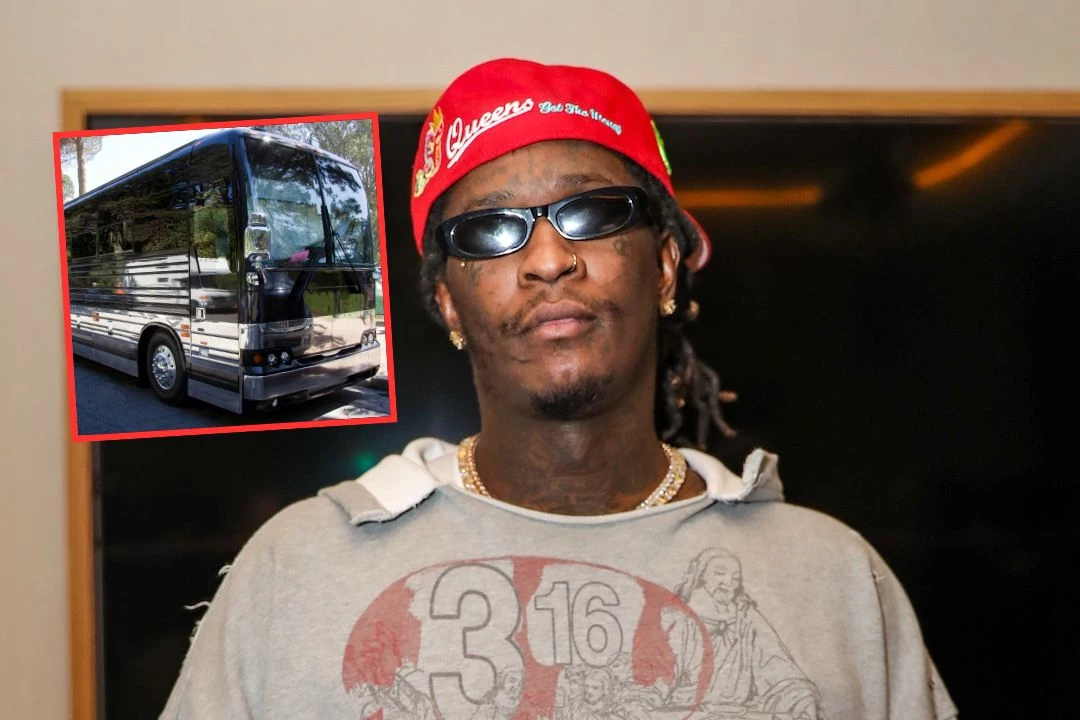
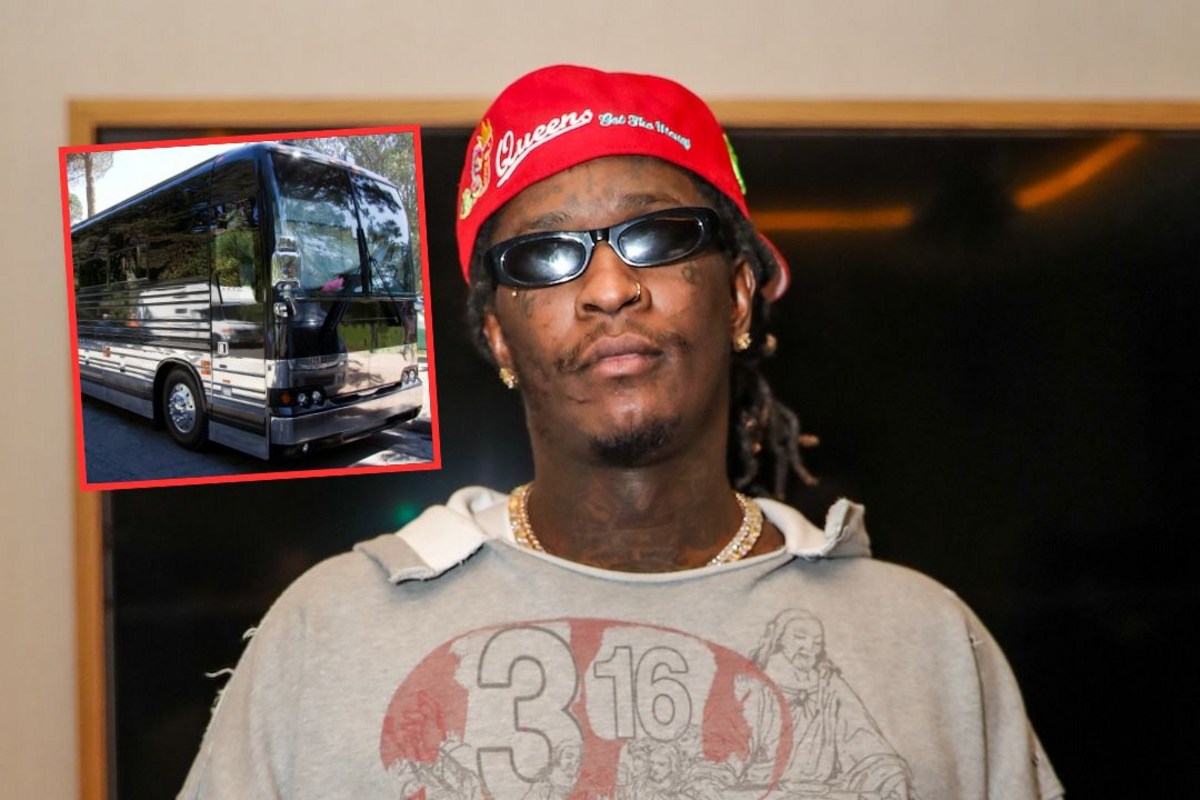
HangupsMusic.com – Atlanta, GA – Attorneys representing Grammy-winning artist Young Thug, whose legal name is Jeffery Williams, have formally requested the dismissal of a civil lawsuit stemming from a 2015 shooting incident involving Lil Wayne’s tour bus. The legal maneuver, presented in Cobb County, Georgia, on Monday, August 17th, aims to sever the rapper from a protracted legal battle initiated by the former driver of Lil Wayne’s tour vehicle, Alvin Lewis.
The lawsuit, originally filed in 2017, centers on a harrowing event in April 2015 when shots were fired at Lil Wayne’s tour bus while it was traveling near Atlanta. Fortunately, no injuries were sustained during the assault. However, Lewis, the plaintiff in this civil case, claims to have suffered severe emotional distress as a direct consequence of the violent encounter and is seeking substantial punitive damages.
In his legal filing, Lewis has accused Young Thug and Cash Money Records CEO Bryan Williams, also known as Birdman, of direct responsibility for the reckless shooting. The lawsuit posits that gang affiliations and an alleged feud between the artists fueled the incident. Both Young Thug and Birdman have consistently denied any involvement in the shooting.
Recent court proceedings, as reported by Courthouse News, saw Young Thug’s legal counsel, Jeffrey Reilly, assert that Lewis’s case is built on unsubstantiated conjecture and biased testimony related to gang dynamics and purported tensions preceding the shooting. Reilly argued that Lewis is attempting to draw an unsubstantiated link between his clients and the perpetrators of the crime.
Conversely, Lewis’s attorney, Jeffrey Gewirtz, presented evidence suggesting a more direct connection. Gewirtz contended that Young Thug and Birdman allegedly provided financial support to Jimmy Winfrey, also known as Peewee Roscoe, who was apprehended in connection with the shooting. Atlanta police reportedly discovered an assault rifle in Winfrey’s white Camaro, linking him to the incident.
Winfrey’s legal journey following the shooting has been complex. He was initially sentenced to ten years in prison in November 2015 for his role in the attack. However, this conviction was later reversed by the Georgia Supreme Court. More recently, in December 2024, Winfrey entered into a plea agreement as part of the broader YSL RICO case, admitting guilt to charges including racketeering, firearms offenses, and narcotics violations. He received a sentence that accounted for time already served for those specific charges.
Further complicating the civil lawsuit, Gewirtz highlighted a recorded jail phone conversation between Young Thug and Winfrey. The plaintiff’s legal team interprets this call as evidence of Young Thug attempting to cultivate "street cred" and rewarding Winfrey for his silence, portraying him as someone who wouldn’t "rat." However, the defense for Young Thug argued that a $25,000 payment made for Winfrey’s legal fees was an act of loyalty and friendship toward a long-time associate, rather than an admission of guilt or involvement in criminal activity.
The hearing concluded with Cobb County Chief Judge Eric Brewton indicating that a decision regarding the future of Lewis’s lawsuit would be made in due course. The judge will determine whether the case possesses sufficient legal merit to proceed to a full trial.
Young Thug, whose real name is Jeffery Lamar Williams, has maintained his innocence regarding any involvement in the 2015 tour bus shooting. The ongoing civil litigation represents a separate legal challenge from the extensive racketeering charges he faces in a separate, high-profile criminal case. The outcome of Judge Brewton’s ruling will significantly impact the trajectory of this civil claim, potentially bringing closure to a chapter of legal disputes that has spanned several years.
The rapper, known for his innovative musical style and influential presence in the hip-hop community, has faced numerous legal challenges throughout his career. This particular civil suit, however, directly probes his alleged connection to a specific violent act, making the upcoming judicial decision a point of considerable interest for legal observers and fans alike. The defense’s strategy hinges on disassociating their client from the shooting, arguing that the evidence presented by the plaintiff is circumstantial and based on speculation rather than concrete proof of direct involvement or orchestration. The legal teams on both sides are preparing to present their final arguments, with the court awaiting further developments.
Meanwhile, the music industry continues to observe the legal proceedings, recognizing the significant impact that such cases can have on artists’ careers and public perception. The complexities of gang-related allegations, financial transactions, and alleged communication between individuals involved in criminal activity form the core of the legal arguments, making this a closely watched civil trial. The decision of Judge Brewton will set a precedent for how such claims are handled in the jurisdiction and will undoubtedly be analyzed for its implications on similar cases in the future.
